Home
Why Japan Is the Soul of Cyberpunk History and Lore
The "Japan Cyberpunk" connection is rooted in three pillars: the 1980s Japanese economic boom that sparked Western "Japan Panic," the concept of Techno-Orientalism where Tokyo became the visual template for the future, and the dominance of Japanese media like Akira and Ghost in the Shell . In modern gaming, this influence persists through the Arasaka Corporation in Cyberpunk 2077 , representing Japan as a leading global power in the fictional timeline.
1. Introduction: The Neon Connection
When you close your eyes and imagine a cyberpunk city, you likely see rain-slicked asphalt reflecting the neon glow of Kanji signs, towering skyscrapers owned by shadowy conglomerates, and a dense, claustrophobic urban sprawl. This aesthetic is not accidental; it is a direct reflection of Japan's meteoric rise in the late 20th century. The genre, often summarized as "high tech, low life," found its spiritual home in the districts of Shinjuku and Akihabara long before it was codified in Western literature.
William Gibson, the author of Neuromancer and a founding father of the genre, famously remarked that "modern Japan was simply cyberpunk." During his travels in the 1980s, he observed that the future had already arrived in Tokyo—it just wasn't evenly distributed yet. This observation serves as the foundation for why Japan remains the soul of the genre. It isn't just a setting; it is the very fabric upon which the futuristic anxieties of the West were projected.
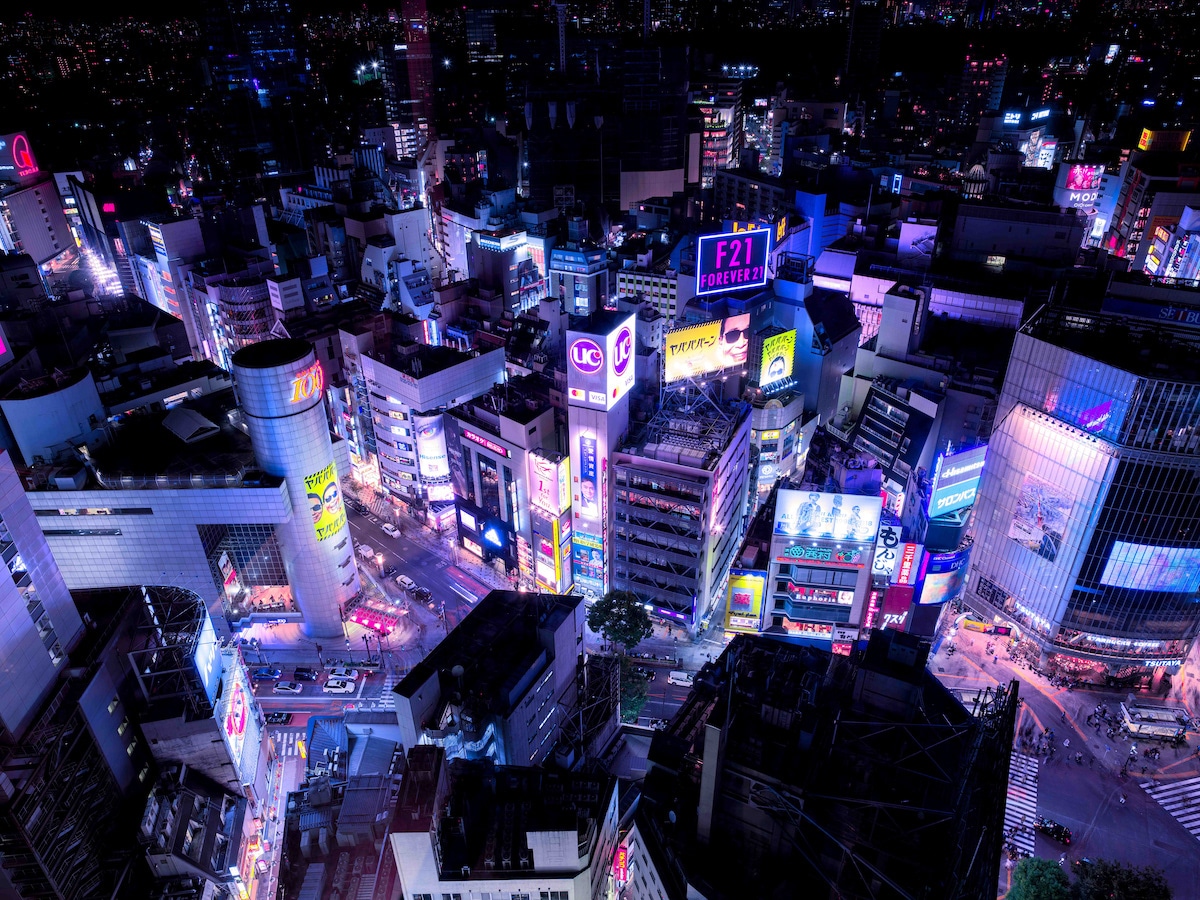
Image source: My Modern Met
2. How Japan Became a Leading Global Power in the Cyberpunk Universe
In the fictional timelines of Cyberpunk 2077 and Cyberpunk Red , Japan is not merely a cultural influence; it is a geopolitical titan. According to official lore , Japan stands as the second most powerful state in the world, trailing only the Eurozone. In this universe, the New United States (NUSA) has crumbled into a fractured, struggling entity, while Japan has maintained a rigid, highly organized administrative structure consisting of 47 prefectures across 8 regions.
Why Arasaka Controls Night City From the Shadows
The most visible manifestation of Japanese power in the genre is the Arasaka Corporation . Far from being just another "evil company," Arasaka is a Techno-Zaibatsu —a mega-conglomerate that functions with the sovereignty of a nation-state. In the lore, Night City is heavily Japan-centric because it served as a strategic stronghold for Arasaka. By pouring resources into the city, the corporation ensured Night City remained independent from the NUSA, effectively turning it into a Japanese outpost on the American West Coast.
This dominance is rooted in the "Techno-Zaibatsu" concept, which mirrors the real-world history of Japanese industrial groups. These entities control everything from banking and manufacturing to private security and orbital aerospace. In the game, this is why you see Japanese influence in every corner of Night City, from the "Japantown" district in Westbrook to the high-end cyberware manufactured by Arasaka technicians. As noted by community discussions , the Japanese presence is a matter of military and political survival for the city, not just a stylistic choice.
3. Why 1980s Western Anxiety Created the Cyberpunk Aesthetic
To understand the "Japan Cyberpunk" connection, one must look at the economic climate of the 1980s. This era was defined by the "Japan Panic," a period where Western nations feared that the Japanese economy—led by giants like Sony, Toyota, and Nintendo—would eventually eclipse the United States. This anxiety birthed the trope of the "all-powerful Japanese corporation" that now dominates the genre.
The Japan Panic and the Birth of Techno-Orientalism
Sociologists David Morley and Kevin Robins coined the term Techno-Orientalism to describe how the West began to view Japan as a high-tech "other." In this framework, Japan was portrayed as a cold, efficient, and machine-like society that had mastered technology at the cost of its humanity. This is why cyberpunk often features "salarymen" who are slaves to their corporate masters and why the villains are frequently stoic Japanese executives.
The Real-World Impact of the 1982 Vincent Chin Case
This economic friction had tragic real-world consequences. In 1982, the murder of Vincent Chin, a Chinese-American man, occurred after he was targeted by unemployed autoworkers who mistook him for Japanese. They blamed the Japanese auto industry for their job losses. This event is a critical historical marker, showing how the "evil corporation" tropes found in fiction were rooted in very real, very dangerous xenophobia. When we see the "Japan Panic" resurrected in modern media, it is important to recognize the historical weight of these themes as explored by cultural analysts .
4. Essential Japanese Cyberpunk Media Beyond Akira and Ghost in the Shell
While Western audiences are familiar with Blade Runner , the genre's heart beats strongest in Japanese manga and film. The movement in Japan was not just about science fiction; it was an extension of the 1970s punk music scene and Bosozoku (biker gang) culture.
The inception point. It merged biker culture with government conspiracies and body horror, setting the visual standard for the genre.
The philosophical peak. It explores the blurring lines between the human soul (the "ghost") and the cybernetic body (the "shell").
A haunting look at the early internet (The Wired) and how digital identity can consume physical reality.
The Industrial Horror of Extreme Japanese Cyberpunk Films
Beyond anime, there is a subgenre known as "Extreme Japanese Cyberpunk" or "Industrial Horror." These live-action films, such as Shinya Tsukamoto’s Tetsuo: The Iron Man (1989), focus on the "metal-flesh" aesthetic. Unlike the clean, digital hacking of Western stories, these films portray the merging of man and machine as a violent, painful metamorphosis. According to historical records , this movement was a reaction to the rapid industrialization of Japan, visualizing the fear of the body being literally overtaken by scrap metal and wires.
How 1970s Biker Culture Birthed the Cyberpunk Manga Movement
It is a common misconception that Japanese cyberpunk was a response to Western literature. In reality, it grew from the Bosozoku subculture—rebellious youth gangs who modified their motorcycles and fought in the streets. Katsuhiro Otomo, the creator of Akira , drew directly from this energy. The "low life" aspect of the genre wasn't just a literary trope; it was a lived reality for the punk and biker communities of Tokyo in the 70s and 80s.
5. How Cyberpunk 2077 Changes When You Play It in Japan
Playing Cyberpunk 2077 in its "home" setting of Japan offers a different experience due to regional regulations and cultural gaming habits. The Japanese version of the game, rated by the CERO (Computer Entertainment Rating Organization), features specific modifications that Western players often find surprising.
Regional Differences in Gameplay and Censorship
The CERO "Z" rating (18+) is strict regarding the depiction of human anatomy. While the Western version allows for full nudity, the Japanese release censors genitalia and certain instances of extreme gore. Interestingly, bare breasts are often permitted, but the "genitalia slider" found in the US version is entirely absent. According to CD Projekt Red forum users , these changes are mandatory for a physical release in the Japanese market.
| Feature | US/International Version | Japanese (CERO Z) Version |
|---|---|---|
| Nudity | Full (Genitalia visible) | Partial (Genitalia censored/removed) |
| Gore | Extreme (Dismemberment) | Modified (Certain exposures reduced) |
| Language | English/Multi | Full Japanese Dub/Sub (Highly acclaimed) |
| Platform Preference | PC/Console Split | Heavy Console/Mobile lean |
Does Japan Actually Prefer Consoles Over PC Gaming?
There is an ongoing debate in community forums regarding the "PC vs. Console" divide in Japan. While PC gaming has seen a significant rise recently, the Japanese household has historically been dominated by consoles like the PlayStation and Nintendo Switch. This affects how games like Cyberpunk 2077 are consumed; in Japan, the console release was the primary way most players experienced Night City, whereas Western players often favored the high-end graphical capabilities of the PC version.
6. Where to Find the Real Night City in Modern Japan
For fans of the genre, visiting Japan is like stepping into a living movie set. Several districts in Tokyo and Osaka serve as the direct inspiration for the environments seen in modern games and films.
A Traveler’s Guide to Cyberpunk Locations in Tokyo and Osaka
- Kabukichō (Shinjuku): Known as the "Sleepless Town," this is the real-life equivalent of Night City’s red-light districts. The dense layers of neon signs and narrow alleys are the blueprint for the "urban jungle" aesthetic.
- Akihabara (Electric Town): Once the hub for black-market electronics after WWII, it is now the center of "Otaku" culture and high-tech gadgetry.
- Dotonbori (Osaka): The massive mechanical signs (like the Glico Man) and the canal-side neon lights provide the "Neon Noodle" aesthetic that defines the genre's food stalls.
What Happened to the Kawasaki Warehouse Arcade?
One of the most famous "cyberpunk" locations was the Kawasaki Warehouse , an arcade designed to look like the Kowloon Walled City. It featured rusted walls, flickering lights, and a grimy, dystopian atmosphere. Sadly, this location closed in 2019. However, travelers can still find similar vibes in the "Cyberpunk Maid Cafes" of Akihabara, which lean heavily into the futuristic aesthetic with LED-lit interiors and robotic themes, as noted by travel enthusiasts .
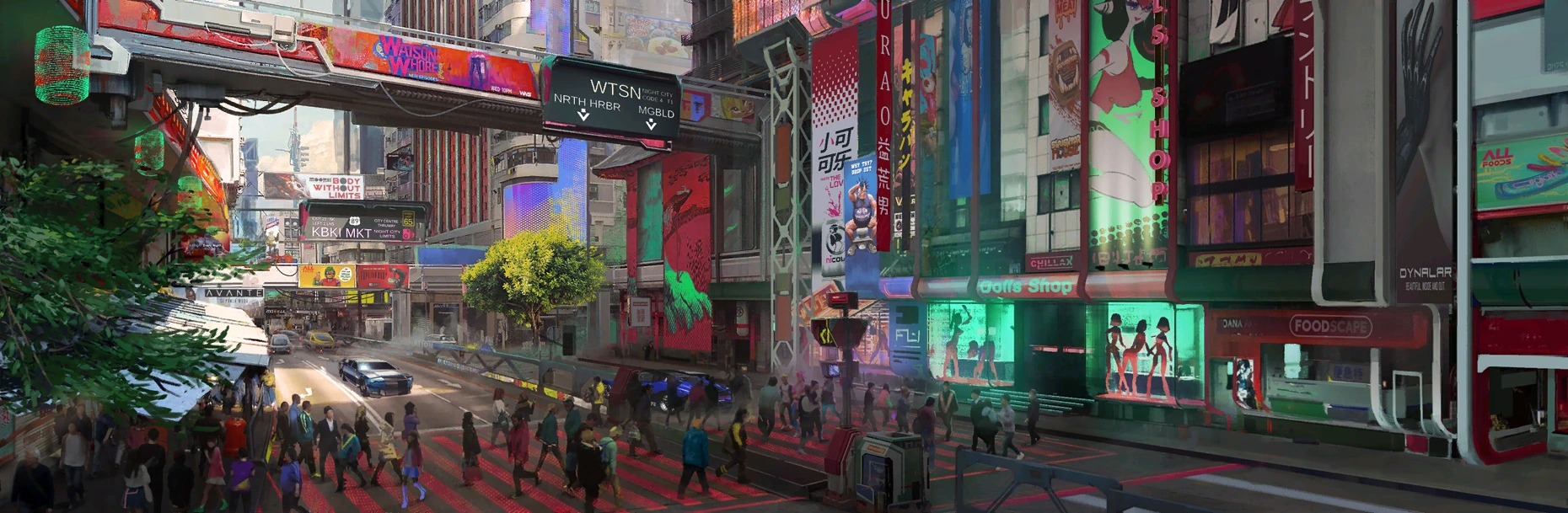
Image source: Cyberpunk Wiki - Fandom
Final Thoughts
The connection between Japan and cyberpunk is more than just a visual style; it is a complex intersection of economic history, cultural anxiety, and artistic innovation. From the "Japan Panic" of the 1980s to the modern dominance of Arasaka in Night City, Japan remains the genre's most vital organ.
- Arasaka dominance is the primary lore reason for the heavy Japanese influence in the Cyberpunk 2077 universe.
- Techno-Orientalism explains why Western creators used Tokyo as a template for a dystopian, machine-driven future.
- Japanese cyberpunk grew out of 1970s biker and punk culture, not just science fiction literature.
- CERO regulations lead to significant differences in the Japanese version of the game, particularly regarding nudity.
- Real-world locations like Kabukichō and Akihabara are the top choices for experiencing the genre's aesthetic today.
- Industrial horror films like Tetsuo represent a unique, visceral branch of the genre distinct from Western "cyber-noir."
To truly understand the genre, one must look past the neon lights and recognize the deep historical and cultural roots that continue to shape our vision of the future.
Frequently Asked Questions
Why is there so much Japanese in Cyberpunk 2077?
The prevalence of Japanese language and culture in Night City is due to the strategic dominance of the Arasaka Corporation. In the game's lore, Arasaka is a global superpower that invested heavily in Night City to maintain its independence from the New United States. This led to a massive influx of Japanese technology, architecture, and personnel, making the city a cultural melting pot where Japanese influence is a sign of corporate and political power.
What is the "cyberpunk city" in Japan?
Tokyo is widely considered the quintessential cyberpunk city, specifically the Shinjuku and Akihabara districts. Shinjuku's Kabukichō area provides the "low-life" neon grit, while Akihabara represents the "high-tech" electronic obsession. Osaka's Dotonbori district is also a top-tier example, famous for its massive mechanical signs and vibrant, rain-slicked nightlife that mirrors the genre's visual language.
Is Cyberpunk 2077 censored in Japan?
Yes, the Japanese version of Cyberpunk 2077 is censored to comply with CERO (Computer Entertainment Rating Organization) guidelines. The most notable changes include the removal of visible genitalia and the modification of certain extreme gore scenes. While the game remains rated for adults (CERO Z), these adjustments are necessary for the game to be legally sold in the Japanese domestic market.
What was the first Japanese cyberpunk movie?
While Akira (1988) brought the genre to global prominence, many film historians point to Sogo Ishii's Burst City (1982) as the true inception point. Burst City combined punk rock, industrial settings, and high-energy rebellion, laying the groundwork for the "metal-flesh" and "high-tech, low-life" themes that would later define the genre in Japan.
What is a Zaibatsu in the context of cyberpunk?
A Zaibatsu is a large Japanese business conglomerate. In cyberpunk lore, these are often evolved into "Techno-Zaibatsu"—mega-corporations like Arasaka that control every aspect of life, from the food people eat to the cybernetic limbs they wear. These fictional entities are based on the real-world industrial groups that powered Japan's economic miracle in the 20th century, representing the fear of corporate power exceeding that of the government.