Home
Why Japan Became the Cultural and Narrative Heart of Cyberpunk
Japan serves as the genre's spiritual home due to a combination of 1980s economic anxiety and the rapid technological urbanization of cities like Tokyo and Osaka. In fictional universes like Cyberpunk 2077 , Japan is a global superpower dominated by the Arasaka Corporation, reflecting real-world historical fears of corporate shogunates.
The neon-drenched streets of Night City, the towering monoliths of corporate headquarters, and the ubiquitous presence of kanji signs are not mere aesthetic choices. They are the result of a specific historical moment when the West looked at Japan and saw the inevitable future. To understand "Cyberpunk Japan," one must look beyond the surface-level tropes of katana-wielding street samurais and dive into the deep-seated economic anxieties and cultural exchanges that defined the late 20th century.
How the 1980s Japan Panic Created the Cyberpunk Aesthetic
In the 1980s, the global economic landscape was shifting. Companies like Sony, Toyota, and Mitsubishi were not just competing; they were dominating. This led to what sociologists and historians call the "Japan Panic." In the United States, there was a palpable fear that the American industrial heartland was being hollowed out by a superior, high-tech corporate machine from the East. According to research on the genre's origins , this anxiety became the bedrock of the cyberpunk aesthetic.
The Theory of Rust Belt Anxiety
Cyberpunk is often described as "high tech, low life," but it is also a reflection of 1980s American fear of industrial decline. As American factories closed, the neon-lit, hyper-efficient cities of Japan seemed like a cold, dehumanized replacement. This "Rust Belt Anxiety" was dressed up in futurism, creating a world where the individual is crushed by massive, often foreign, corporate entities. The genre essentially froze this specific era of economic tension into a permanent visual style.
William Gibson and the Birth of Chiba City
William Gibson, the author of the seminal novel Neuromancer , famously chose Chiba, Japan, as the setting for his story's opening. For Gibson, Japan didn't just feel like a foreign country; it felt like the future had already arrived there. The dense urban sprawl, the integration of technology into every facet of life, and the sheer sensory overload of Tokyo provided a blueprint that Western creators have been following for decades. As noted in Yamato Magazine , Gibson's observations on Japan's "Techno-Japonisme" were foundational to the genre's identity.
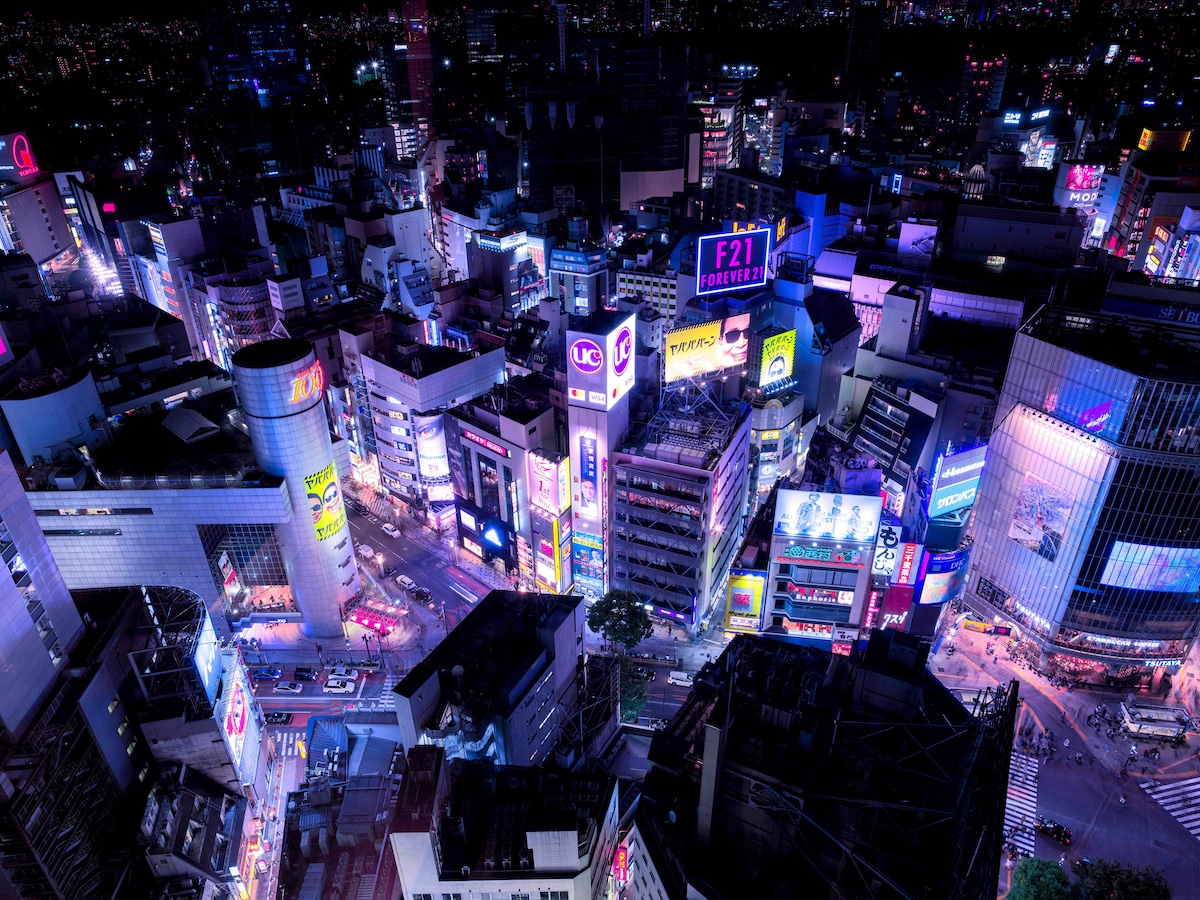
Image source: My Modern Met
Addressing Techno-Orientalism
Critics often point to "Techno-Orientalism" when discussing the genre. This term describes the use of Asian aesthetics to represent a cold, high-tech, and often alienating future. In many cyberpunk works, Japanese culture is used as a shorthand for a world that has lost its humanity to efficiency. While this has created some of the most iconic visuals in cinema and gaming, it also remains a point of academic discussion regarding how Western media perceives and portrays Eastern progress.
The Secret History of Japan in the Cyberpunk 2077 Timeline
In the lore of the Cyberpunk universe (spanning from the original 2020 tabletop game to the 2077 video game), Japan is not just a cultural influence; it is a dominant geopolitical force. While the New United States (NUSA) struggled through collapses and civil wars, Japan rose to become the world's second-largest economy, trailing only the Eurozone. This power is almost entirely synonymous with one name: Arasaka.
In a pivotal departure from real-world history, the Cyberpunk timeline sees Japan abolish Article 9 of its constitution in 1995. This pacifist clause, which limited Japan to a self-defense force, was removed under heavy pressure from Arasaka-backed politicians. This allowed Japan to rebuild a full offensive military, effectively turning the nation into a global military powerhouse once again.
The Rise of the Corporate Shogunate
The Arasaka Corporation, founded in 1915 by Sasai Arasaka, is the primary reason for Japanese dominance in the lore. Under the leadership of Saburo Arasaka, the company transformed from a manufacturing firm into a security and banking behemoth. Saburo, a former WWII pilot, viewed the corporation as a vehicle to restore Japan's honor and power. By 2077, Arasaka is widely considered one of the most influential entities in existence, controlling everything from private militaries to the very government of Japan.
The FACS vs. Arasaka Civil War
A common misconception among fans is that Japan is a unified monolith under Arasaka. In reality, the lore describes a deep internal conflict. The Far Asian Co-Prosperity Sphere (FACS) was a coalition of other Japanese zaibatsus (conglomerates) that formed to counter Arasaka’s monopoly. This corporate civil war led to significant political instability, including the aforementioned Bald Hill Scandal. Japan in 2077 is a nation defined by this tension between the "Emperor" (Saburo) and the rival corporate factions vying for a piece of the future.
Comparing Western Cyberpunk Literature to Japanese Body Horror
While Western cyberpunk often focuses on the "hacker" — the lone cowboy navigating the digital frontier — Japanese cyberpunk took a much darker, more visceral turn. Rooted in the underground punk music scene of the 1970s rather than sci-fi literature, Japanese creators explored the intersection of flesh and machine through the lens of body horror.
Different Origins and Themes
Western cyberpunk, led by figures like Philip K. Dick and William Gibson, is largely about information, identity, and the blurring of reality in a digital world. In contrast, the "Godfather" of Japanese cyberpunk cinema, Sogo Ishii, focused on the raw energy of biker gangs and industrial decay. This evolved into the "monstrous metamorphoses" seen in films like Tetsuo: The Iron Man , where characters literally sprout metal from their skin. This subgenre is notably more aggressive and experimental than its Western counterpart.
| Feature | Western Cyberpunk | Japanese Cyberpunk |
|---|---|---|
| Primary Medium | Literature and Big-Budget Film | Underground Cinema and Manga |
| Core Protagonist | Lone Hacker / Noir Detective | Biker Gangs / Mutating Outsiders |
| Central Conflict | Information Control / Reality | Physical Mutation / Industrialism |
| Visual Style | Neon Noir / Rain-slicked Streets | Gritty Monochrome / Body Horror |
| Key Examples | Blade Runner , Neuromancer | Akira , Tetsuo: The Iron Man |
Real-World Locations in Japan That Look Like the Future
For those looking to experience the cyberpunk aesthetic in the real world, Japan offers several locations that feel as though they were pulled directly from a concept art board. These sites provided the visual vocabulary for the genre's most famous works.
- Kabukicho, Tokyo: Often cited as the real-life inspiration for Night City, this entertainment district is a maze of neon signs, narrow alleys, and high-tech facades. It captures the "low life" energy that is essential to the genre.
- Nakagin Capsule Tower (Metabolism): Though partially demolished, this building was a prime example of the Metabolism architectural movement. Its modular, pod-like design influenced the "megastructures" seen in Ghost in the Shell .
- Dotonbori, Osaka: Known for its massive mechanical signs and canal-side lights, Dotonbori represents the consumerist, hyper-commercialized side of the cyberpunk future.
- Akihabara: Once known as "Electric Town" for its post-war radio shops, it has evolved into a hub of high-tech consumerism and subculture, embodying the "high tech" half of the cyberpunk equation.
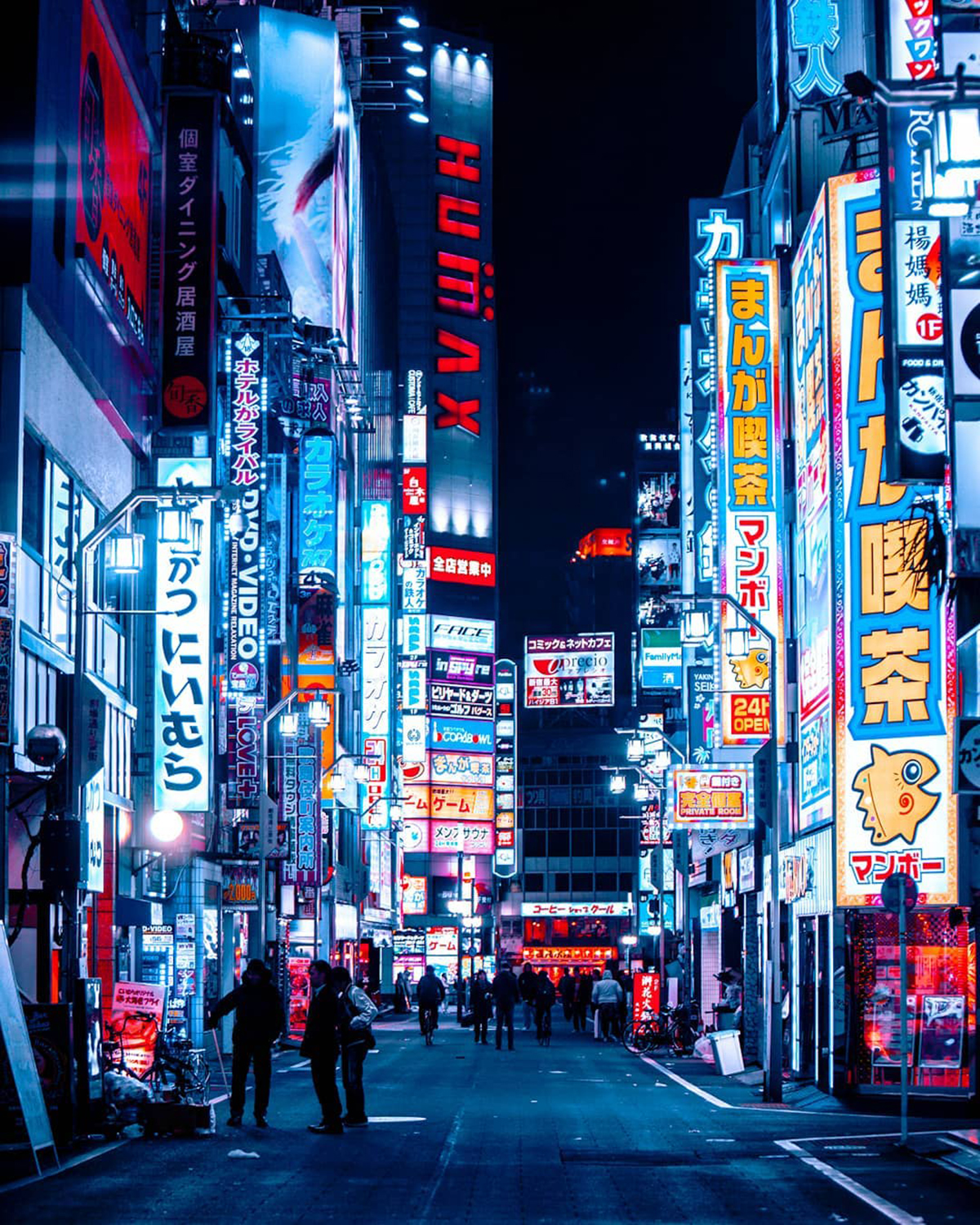
Image source: My Modern Met
Why Cyberpunk 2077 Is Different for Players in Japan
The release of Cyberpunk 2077 in Japan was a unique event, highlighting the differences in regional gaming cultures and regulatory standards. Despite being the "spiritual home" of the genre, the game faced specific hurdles in the Japanese market.
CERO Z Censorship and Regional Changes
In Japan, the game received a CERO Z rating (18+). However, to comply with local regulations, certain elements were modified. According to community discussions on the CDPR forums , these changes included the removal of explicit genitalia and the toning down of specific gore effects, such as exposed viscera. It is important to note that gameplay features, like the previously rumored "wall-running," were removed from all versions of the game globally and were not a result of Japanese censorship.
The Shifting PC vs. Console Landscape
Japan has traditionally been a console-dominated market, with handhelds like the Nintendo Switch holding a significant lead. However, the release of Cyberpunk 2077 coincided with a notable shift. The Japanese PC gaming market has seen rapid growth in recent years. While many households still prefer consoles, the demand for high-end hardware to run graphically intensive games like Cyberpunk has led to a burgeoning PC community that challenges the traditional "console-only" narrative.
Key Takeaways on Cyberpunk Japan
- Japan is a superpower in the genre's lore, often ranking as the second-largest global economy.
- The "Japan Panic" of the 1980s provided the historical foundation for the genre's corporate-dominated themes.
- Arasaka Corporation is the fictional embodiment of the "Corporate Shogunate," founded in 1915.
- Japanese Cyberpunk is distinct for its focus on body horror and industrial mutation compared to Western "hacker" stories.
- Real-world Tokyo , specifically districts like Kabukicho, remains the primary visual blueprint for futuristic cities.
- Censorship in Japan (CERO Z) affects visual gore and nudity but does not alter the core narrative or gameplay mechanics.
To truly understand the aesthetic, consider exploring the works of Sogo Ishii or the architecture of the Metabolism movement next.
Frequently Asked Questions
Why is there so much Japanese influence in Cyberpunk 2077?
Is Cyberpunk 2077 censored in Japan?
What is the best Japanese cyberpunk anime to watch?
Is Arasaka a real company?
What city is Night City based on?