Home
25 Best Princess Stories for Kids to Read and Listen to Right Now
Princess stories have transitioned from passive fairy tales to narratives of strategic leadership and resourcefulness . While classics like The Princess and the Pea remain essential for their lessons on sensitivity, modern tales such as The Swan Princess highlight characters who use mapping and observation to solve problems. Today's library includes over 178 distinct global tales , ranging from Japan's Oto-hime to India's Belbati Princess , offering a diverse spectrum of archetypes for every child.
Why Princess Stories Still Matter for Modern Children
For generations, princess stories have served as a primary gateway into the world of folklore and moral education. However, the modern landscape of these narratives is far more complex than the "damsel in distress" trope often associated with early 20th-century adaptations. Today, royalty in fiction often represents a position of responsibility, requiring characters to navigate court politics, demonstrate high levels of literacy, and exercise strategic thinking.
According to research into global folklore, there are at least 178 distinct fairy tales categorized as princess stories. This vast volume suggests that the archetype of the "princess" is not a monolith but a versatile vessel for exploring human virtues. Whether a character is a traditionalist, a rebel, or a leader, these stories provide children with a framework for understanding social dynamics and personal agency.
Classic Princess Stories Every Child Should Know
The foundation of any royal library begins with the classics. These stories, often collected by the Brothers Grimm or Hans Christian Andersen, establish the core themes of kindness, perseverance, and the magical elements that define the genre.
The Princess and the Pea
This Hans Christian Andersen classic is often misunderstood as a tale of fragility. However, its true moral centers on sensitivity and the idea that one should not judge a person solely by their outward appearance. According to the traditional text, the test of a "true" princess involves placing a single garden pea under 20 mattresses and 20 soft eiderdown quilts . Only a person of true royal sensitivity would be able to feel the discomfort caused by the tiny pea, proving their identity to the skeptical Queen. As noted by SooperBooks , this story remains a top choice for teaching children about the nuances of character.
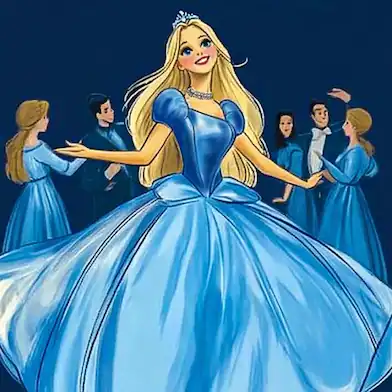
Image source: Kooky Kids World
Cinderella and the Twelve Dancing Princesses
Cinderella is widely regarded as one of the most recognizable stories in the world. Beyond the glass slipper, modern analysis suggests the story is a masterclass in setting boundaries . The strict midnight deadline forces the protagonist to manage her time and navigate a high-stakes social environment under pressure.
Similarly, The Twelve Dancing Princesses offers a unique mystery for young readers. Rather than a simple romance, it functions as a puzzle. A soldier must use his observation skills and a magical cloak of invisibility to discover how twelve sisters wear out their shoes every night despite being locked in their room. This narrative encourages critical thinking and rewards the protagonist for his wit rather than his physical strength.
Why Modern Princesses Are Becoming Strategic Leaders
The shift from passive to active royalty is perhaps the most significant advancement in children's literature over the last few decades. Characters are no longer just "waiting" for their lives to begin; they are actively managing their destinies through data and planning.
The Project Manager Princess
A standout example of this shift is Odette from The Swan Princess . In modern retellings, Odette is depicted not as a victim of a curse, but as a strategist. She maps the sorcerer’s castle, studies the rotations of the guards, and coordinates with her animal friends to execute a complex escape plan. This "Project Manager" approach to problem-solving provides a highly impactful model for children, showing that intelligence and preparation are just as vital as magic.
Literacy as a Tool of Power
In historical contexts, princesses were often among the most educated members of the court. A princess who can read, write, and speak multiple languages possesses a form of power that is often overlooked in simplified versions of these tales. Community discussions among writers and educators emphasize that a "true" princess uses her literacy and social influence to navigate the complex web of court politics. By focusing on these skills, stories can move away from the "Servant Girl Trap" and present royalty as a role involving genuine leadership and intellectual labor.
Princess Stories from Around the World to Expand Your Library
To build true cultural literacy, it is essential to look beyond the European tradition. Global princess stories offer unique magical systems and different perspectives on what it means to be royal.
- Oto-hime (Japan): The daughter of the Dragon God of the Sea, Oto-hime rules over the underwater kingdom of Ryūgū-jō. Her story involves themes of hospitality, the passage of time, and the weight of royal gifts.
- The Belbati Princess (India): A fascinating tale of transformation where a princess is born from a fruit. This story emphasizes perseverance and the ability to maintain one's dignity through multiple hardships and changes.
- The Firebird and Princess Vasilisa (Russia): In this Slavic legend, Princess Vasilisa is a figure of immense courage who often aids the hero through her wisdom and magical connections, rather than being a mere prize to be won.
- The Peacock Princess (Southeast Asia): A tale of grace and celestial royalty, this story highlights the connection between the royal family and the natural world, often featuring themes of flight and freedom.
By incorporating these titles, parents can provide a more comprehensive view of the world. As Storyberries highlights, diverse stories help children understand that leadership and magic exist in every culture.
Empowering Stories for Girls Who Prefer Mud to Masquerades
Not every princess wants to wear a ballgown, and modern literature has embraced the "Rebel" archetype with great success. These stories cater to children who find traditional royal duties restrictive or boring.
The Woodworking Princess and the Mischievous Royal
Some of the most notably innovative stories feature princesses who are more comfortable with a hammer than a scepter. The "Woodworking Princess" uses gears, tape, and "improved" magic wands to fix problems in her kingdom. This subversion of the trope encourages an interest in STEM and hands-on problem solving. Similarly, stories about "Mischievous Royals" feature characters who prefer riding horses through the mud and playing outdoors, challenging the idea that royalty must always be perfectly poised.
The Dragon-Friend Alternative
A popular trend in modern fairy tales is the "Dragon-Friend" narrative. Instead of the traditional plot where a knight slays a dragon to "rescue" a princess, these stories depict the princess befriending the creature. Often, the dragon and the princess realize they have more in common with each other than with the society that expects them to be enemies. This teaches children about empathy, looking past stereotypes, and finding friendship in unexpected places.
How to Choose the Right Story for Your Child’s Age
Selecting the right story depends on the child's developmental stage and interests. Use the following framework to identify which archetype might resonate most with your young reader.
| Story Title | Archetype | Best For Age | Core Moral Lesson |
|---|---|---|---|
| The Princess and the Pea | Traditionalist | 3 - 6 | Sensitivity and inner truth |
| The Swan Princess | Leader | 7 - 10 | Strategy and observation |
| The Woodworking Princess | Rebel | 5 - 9 | Innovation and hard work |
| Oto-hime | Leader | 6 - 10 | Consequences of curiosity |
| Cinderella | Traditionalist | 4 - 8 | Kindness and boundaries |
Short 5-Minute Princess Stories for Bedtime
For busy evenings, short-form stories are a top-tier option. These versions condense the narrative while retaining the essential moral lessons and magical atmosphere.
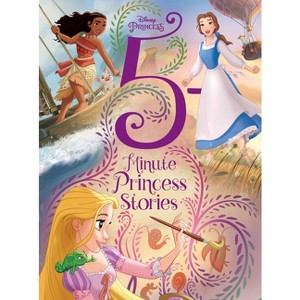
Image source: Target
The Frog Prince: A 5-Minute Version
Once, a princess lost her golden ball in a deep well. A frog offered to retrieve it, but only if the princess promised to let him eat from her plate and sleep in her room. Though she initially broke her promise, her father, the King, reminded her that a royal must always keep their word. When she finally showed the frog kindness, he transformed back into a prince. This story is a strong contender for teaching the importance of integrity and keeping promises .
Audio Experiences and Podcasts
If you prefer a hands-free bedtime routine, audiobooks and podcasts are an excellent choice. Shows like The Princess Quest offer multi-episode arcs that allow for deeper emotional investment than a single short story. This format is particularly useful for children who struggle to settle down, as the consistent narration provides a calming environment for sleep.
Frequently Asked Questions
The moral of The Princess and the Pea centers on the idea of sensitivity and authenticity. It suggests that a person's true nature is not defined by their outward appearance or the clothes they wear, but by their inner qualities. In the story, the princess arrives at the castle looking bedraggled from the rain, yet her physical sensitivity to the pea proves her royal status. It teaches children to look deeper than the surface when evaluating others.
Yes, there are many modern stories that cater to children who prefer activity and adventure over traditional royal attire. Stories like The Woodworking Princess or tales featuring "Mischievous Royals" focus on characters who enjoy STEM, outdoor exploration, and physical challenges. These narratives emphasize that being a princess is about leadership, character, and skill rather than adhering to a specific fashion sense or gender stereotype.
In the traditional version of the story by Hans Christian Andersen, there were exactly 20 mattresses and 20 eiderdown quilts . The pea was placed at the very bottom of this massive stack. This specific detail is often used as a test of the story's accuracy in different retellings. The sheer height of the bed serves to emphasize just how sensitive the "true" princess had to be to feel the tiny pea through forty layers of bedding.
The Swan Princess , particularly in its modern interpretations, is widely considered one of the best for teaching leadership and strategic thinking. The character Odette does not wait for a hero; she actively gathers information, maps her surroundings, and coordinates a team to achieve a goal. This frames leadership as a combination of intelligence, teamwork, and persistence, making it a highly recommended choice for parents looking to inspire agency in their children.
Diverse princess stories can be found in collections of global folklore. Look for titles like Oto-hime from Japan, The Belbati Princess from India, and The Peacock Princess from Southeast Asia. Many libraries now have specific sections for "Folktales of the World," which are excellent resources for finding royalty-themed stories that move beyond the standard European fairy tale tradition and introduce children to new cultures and magical systems.
Key Takeaways for Your Royal Library
Princess stories have evolved into a rich tapestry of archetypes that offer much more than simple "happily ever afters." Here is how to make the most of them:
- Prioritize strategy by choosing stories like The Swan Princess that highlight problem-solving and planning.
- Respect the classics by sharing the traditional "20 mattress" version of The Princess and the Pea for its lessons on sensitivity.
- Expand cultural horizons by incorporating global tales from Japan, India, and Russia to build cultural literacy.
- Embrace the "Rebel" with stories about woodworking or mud-loving princesses for children who prefer action over etiquette.
- Use literacy as power to show that a princess's greatest tools are often her education and her ability to navigate social dynamics.
- Match the format to the moment , using 5-minute stories for quick bedtimes and long-form podcasts for deeper engagement.
Start your journey today by picking one global tale and one strategic story to read with your child this week.