Home
How to Tell Memorable Campfire Stories for Kids and Adults
Effective campfire storytelling relies on performance mechanics rather than just reading text. By using the Forgey Method —which emphasizes credibility, vocal inflection, and eye contact—you can transform a simple tale into an immersive experience. Whether you are sharing classic urban legends like "The Hook" or engaging in collaborative lore-building , the key is to match the story's intensity to your audience's age and use the natural flicker of the fire to enhance the mood.
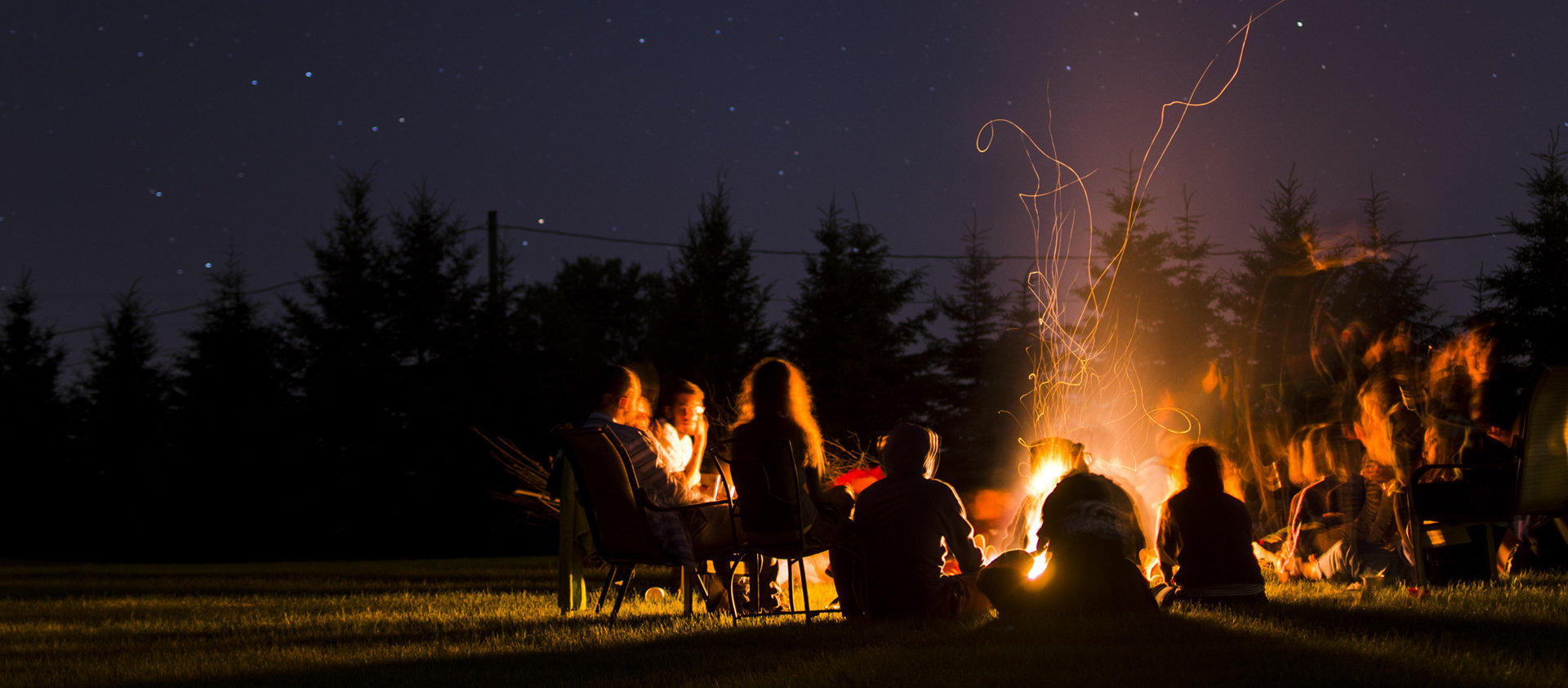
Image source: Campfire Marshmallows
Why Humans Are Hardwired to Share Stories Around a Fire
The act of gathering around a fire to share narratives is a ritual that feels ancient, yet the specific format of the "campfire story" as we know it today has a distinct historical trajectory. According to historical records , the modern campfire story likely emerged in the mid-19th century. During the 1840s, soldiers and frontiersmen used storytelling as a practical tool to stay awake during long night watches, turning the necessity of vigilance into a moment of social connection.
Psychologically, storytelling around a fire serves as a "ritual as old as humanity," fostering what experts call a "living relationship with nature." As noted by Campfire Stories Org , these moments facilitate regeneration and deeper connections within a group. The flickering light of the flames creates a natural stage, drawing focus inward and away from the surrounding darkness, which heightens the emotional impact of the narrative.
The Formalization of Storytelling by the Boy Scouts
While frontiersmen may have started the trend, the Boy Scouts of America (BSA) formalized the practice. In their inaugural 1910 handbook, storytelling was officially categorized as a core "Campcraft" activity. The BSA identified several key genres that remain popular today: Indian legends, tales of war, ghost stories, and accounts of heroism. This formalization helped transition storytelling from a casual pastime into a structured educational and bonding tool used by millions of campers every year.
How to Master the Performance Mechanics of Storytelling
To tell a story that truly resonates, you must move beyond the words on the page. Professional storytellers often utilize the Forgey Method , a framework developed by William W. Forgey that treats storytelling as an outdoor activity comparable to hiking or swimming. This method focuses on the physical and vocal delivery of the tale to ensure the audience remains captivated from start to finish.
Implementing the Forgey Method for Maximum Impact
The Forgey Method involves several critical techniques that elevate a standard reading into a performance:
- Credibility Building: Start your story with a believable, grounded premise. If the audience believes the first 30 seconds, they are more likely to follow you into the supernatural elements later.
- Vocal Inflection: Avoid a monotone delivery. Use whispers for suspense and sudden volume shifts for dramatic reveals.
- Eye Contact: Maintain direct connection with different members of the group. This creates a sense of intimacy and prevents the audience's attention from wandering.
- The Quiet Mood: Never start a story while people are still rustling bags or talking. Wait for a moment of absolute silence to establish your authority as the narrator.
Using the Throat-Grab Hook to Capture Attention
In the world of fiction, the "hook" is what keeps a reader from putting a book down. In oral storytelling, a "Throat-Grab Hook" is even more vital. Instead of starting with a description of the weather or the setting, start with a high-stakes line that demands attention. For example: "My grandfather always told me never to look into the old well after midnight, but he never told me why." This immediately sets a mystery in motion and forces the audience to listen for the answer.
Scary Campfire Stories for Brave Adults and Teens
For older audiences, the goal is to create a sense of lingering unease. This is often achieved through urban legends that feel "too real" or regional myths that tie the horror to the very woods where you are currently camping. The following stories are widely regarded as top choices for a spooky night.
The Vanishing Hitchhiker
A classic tale of a driver who picks up a young girl on a lonely road, only for her to disappear from the backseat. To make this effective, tell it as if it happened to a "friend of a friend" in a nearby town.
The Goatman of Maryland
A regional legend about a half-man, half-goat creature that haunts the woods. This story works well because it taps into the primal fear of being watched by something that isn't quite human.
The Hook
The quintessential urban legend about a couple in a car and a mysterious scratching sound. Localize this by mentioning a specific "lover's lane" or lookout point near your campsite.
Comparison of Popular Scary Stories
| Story Title | Intensity (1-10) | Best Audience | Key Element |
|---|---|---|---|
| The Hook | 7 | Teens / Adults | Suspenseful Pacing |
| Vanishing Hitchhiker | 5 | All Ages | Eerie Mystery |
| The Goatman | 9 | Adults | Visceral Horror |
| Reddit "Woods" Tales | 8 | Teens | Modern Realism |
Funny Campfire Stories to Lighten the Mood
After a particularly intense scary story, it is often helpful to break the tension with humor. Funny campfire stories usually rely on wordplay, subverted expectations, or physical comedy. These tales are excellent for keeping the energy high and ensuring that younger campers don't go to bed too frightened.
The Vinder Viper and the Art of the Punchline
The "Vinder Viper" is a classic example of a story that builds immense tension only to release it with a silly pun. The narrator describes a terrifying creature coming to the house, getting closer and closer, only for the "Vinder Viper" to turn out to be a man with a thick accent who says, "I am the vinder viper, I come to vipe your vindows!" The key to this story is the delivery; you must sound genuinely terrified until the very last second.
Kid-Friendly Campfire Stories for Younger Audiences
For children aged 5 to 10, storytelling should be more about participation and less about pure fright. The Abiyoyo Technique , popularized by Pete Seeger, is a top-tier method for this age group. It involves a repetitive song or chorus that the children can sing along with, making them feel like they are part of the story rather than just passive listeners.
Nature Folklore and Cultural Respect
Stories like "How the Raccoon Got His Coat" or Aesop’s Fables are excellent for shorter attention spans. These stories often explain natural phenomena or provide a moral lesson. However, it is important to distinguish between general folklore and sacred Indigenous oral traditions. As noted in Wikipedia , contemporary campfire stories should not be used as a substitute for authentic Indigenous narratives, which carry deep cultural and spiritual significance.
How to Facilitate Collaborative Lore-Building Sessions
One of the most engaging ways to share stories is to make it a group effort. Instead of one person performing, the entire circle contributes to the narrative. This builds a unique "Camp Mythos" that belongs only to your group for the duration of the trip.
- The Add-On Method
- One person starts with a single sentence, and each person around the fire adds the next sentence. This often leads to unpredictable and hilarious results.
- The Kyu Method
- Using a set of prompts (like a 50-card deck) where one card provides a character (e.g., "A Grumpy Bear") and another provides an action (e.g., "Searching for a lost key").
- The Circle Story
- A structured version of the add-on method where the story must follow a specific arc: Introduction, Conflict, Climax, and Resolution.
Essential Safety and Etiquette for the Story Circle
A successful story night requires more than just a good script; it requires a safe and comfortable environment. The placement of the narrator in relation to the fire and the wind is a practical detail that many beginners overlook. You want the narrator to be visible to everyone, but not so close to the smoke that they lose their voice.
- Check the Wind: Position the narrator so the smoke isn't blowing directly into their face.
- Gauge the Threshold: Before starting a scary story, ask the group if they are in the mood for "spooky" or "silly." Respect the boundaries of the youngest members.
- Fire Safety: Ensure the fire is at a manageable level. A roaring bonfire is great for warmth, but a bed of glowing coals is often better for a focused, quiet atmosphere.
- Offline Access: Since many campsites lack cell service, consider printing your stories or saving them to your device beforehand.
Frequently Asked Questions About Campfire Storytelling
What is the best age to start telling campfire stories?
How do I tell a scary story without scaring kids too much?
Are there any true scary campfire stories?
What are some good campfire story prompts?
How long should a campfire story be?
Key Takeaways for Your Next Camping Trip
Mastering the art of the campfire story is about more than just memorizing a script; it is about creating a shared experience that lingers long after the embers have cooled.
- Prioritize performance by using the Forgey Method to build credibility and maintain eye contact.
- Match the intensity of your stories to the age and comfort level of your specific audience.
- Use the fire as a tool , timing your dramatic pauses to the natural flicker and glow of the coals.
- Incorporate collaboration to build group bonds and create a unique "mythos" for your campsite.
- Respect the traditions of the land you are on, distinguishing between folklore and sacred oral histories.
- Prepare for the environment by checking wind direction and having stories available offline.
Before your next trip, choose three stories of varying intensity and practice your "Throat-Grab Hook" to ensure you capture the group's attention from the very first word.