Home
Where to Find Top-Rated Tickle Stories and How to Write Them
Tickle stories are a diverse genre of fiction ranging from wholesome fanfiction to intense sci-fi adventures. Readers typically find high-quality content on Wattpad (popular for gaming fandoms like Deltarune), Writing.com (the leading hub for interactive "Choose Your Own Adventure" stories), and Archive of Our Own (AO3) for superhero and fantasy niches. To write compelling scenes, authors should focus on sensory language, distinguishing between light knismesis and heavy gargalesis , while always adhering to consent-based narrative frameworks.
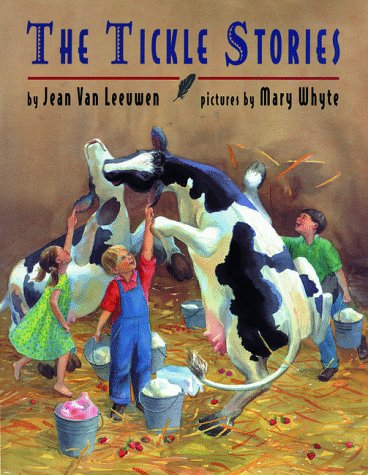
Image source: AbeBooks
What Makes a Tickle Story Compelling?
At its core, a tickle story is a narrative exploration of physical vulnerability, laughter, and interpersonal connection. While the genre is often categorized by its specific focus on tickling, the most successful stories integrate these scenes into broader themes of comedy, romance, or high-stakes adventure. The appeal lies in the psychological transition from initial amusement to the overwhelming sensation of "can't take it anymore," a dynamic that creates natural tension and release within a plot.
According to community discussions on platforms like GaiaOnline , the genre thrives on the contrast between a character's usual composure and their reaction to being tickled. This "Laughter ≠ Consent" paradox is a recurring theme; in fiction, a character may be laughing uncontrollably while their dialogue indicates they are desperate for the sensation to stop. This creates a unique narrative space where physical reactions and emotional intent can clash, providing a rich ground for character development.
Compelling stories often avoid repetitive descriptions by focusing on the relationship between the characters. Whether it is a lighthearted moment between siblings or a high-tech sci-fi interrogation, the context of the tickling is just as important as the physical act itself. By grounding the sensations in a well-developed world, writers can elevate the genre from a simple trope to a meaningful part of the storytelling process.
Which Platforms Offer a Strong Reading Experience?
Navigating the world of tickle fiction requires knowing where to look, as different platforms cater to specific tastes and age groups. Because the genre spans from children's bedtime stories to mature niche interests, choosing the right site is essential for finding content that matches your preferences. The following table breaks down the leading platforms based on their strengths and primary audiences.
| Platform | Best For... | Content Tone | Key Feature |
|---|---|---|---|
| Wattpad | Gaming & Anime (Deltarune, Pokemon) | Young Adult / Mixed | High community engagement & comments |
| Writing.com | Interactive / CYOA | All Ages to Mature | Branching "Choose Your Own Adventure" |
| AO3 / DeviantArt | Superheroes (Avengers) | Fan-focused | Deep tagging & visual integration |
| SableSword | Sci-Fi & Fantasy | Niche / Creative | Unique "Tickle-Tech" tropes |
Why Wattpad Is a Hub for Gaming and Anime Fandoms
Wattpad has emerged as a primary destination for fans of gaming and anime who enjoy tickle-themed narratives. The platform's algorithm and tagging system make it easy to find specific fandoms, such as Deltarune , Undertale , and Pokemon . For instance, a single Deltarune story collection on Wattpad has been known to garner over 2,300 reads, demonstrating a highly active and engaged audience for these specific characters.
Readers on Wattpad often use tags like #tickling, #fluff, or #tickle-torture to filter their results. The platform's social nature allows readers to comment on specific paragraphs, creating a shared experience where fans can react to their favorite moments in real-time. This makes it a top choice for those who enjoy community interaction alongside their reading.
How to Navigate Interactive Stories on Writing.com
For those who want to influence the direction of the plot, Writing.com offers a unique interactive experience. The site hosts thousands of "Choose Your Own Adventure" (CYOA) stories where readers can select different paths or even add their own chapters to an existing narrative. This collaborative environment has led to some of the most expansive tickle stories in existence, with some branching paths reaching hundreds of chapters.
Finding High-Quality Fanfiction on Archive of Our Own and DeviantArt
Archive of Our Own (AO3) and DeviantArt are widely regarded as the go-to sources for superhero and high-fantasy tickle stories. AO3, in particular, is famous for its sophisticated tagging system, allowing readers to find very specific tropes, such as "Tony Stark tickling Peter Parker" or "Ginny Weasley tickle fics." DeviantArt remains a strong contender for those who prefer a mix of written stories and visual art, often featuring "story-commissions" where artists and writers collaborate on a single concept.
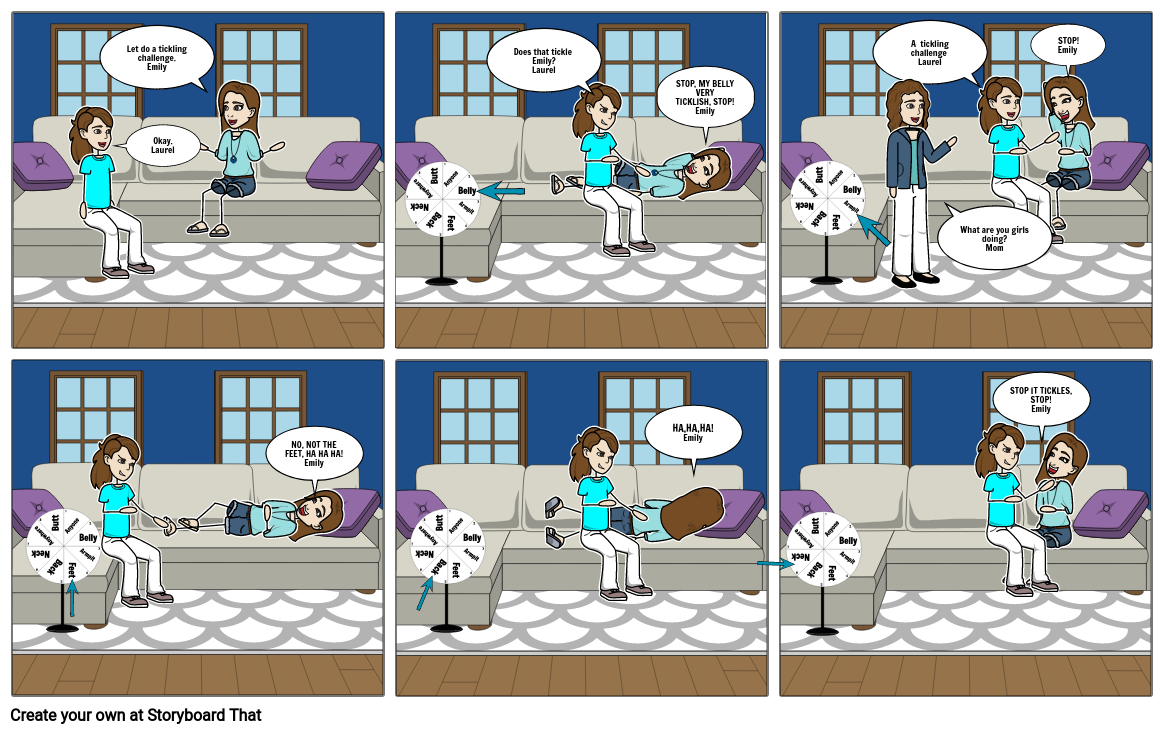
Image source: Storyboard That
How to Write Realistic and Engaging Tickle Scenes
Writing a tickle scene that feels authentic requires more than just repeating the word "tickle." To keep readers engaged, authors must tap into sensory details and the physiological reactions of their characters. A common pitfall in the genre is repetitive phrasing, which can be avoided by building a "Sensory Vocabulary Bank."
Effective writing focuses on the build-up of tension. Instead of jumping straight to the action, describe the anticipation. The sight of a hovering feather or the sound of a character's nervous laughter can be just as impactful as the physical act itself. By varying the intensity and the tools used, you can create a scene that feels dynamic and fresh.
- Establish the Setting and Tone: Determine if the scene is a lighthearted moment of play or a high-stakes plot point. The environment—whether a cozy bedroom or a medieval dungeon—will dictate the vocabulary you use.
- Use Sensory Language: Incorporate words that describe the specific sensation. For light tickling, use terms like skimming , fluttering , or ghosting . For intense scenes, use merciless poking , digging , or rhythmic drumming .
- Focus on Physical Reactions: Describe how the character's body responds. Mention arching backs, gasping for air, rhythmic thrashing, and the transition from giggles to tearful shrieks.
- Incorporate Dialogue: Use dialogue to show the character's struggle. Stuttered pleas, broken sentences, and breathless protests add a layer of realism to the interaction.
Understanding the Difference Between Knismesis and Gargalesis
To add psychological depth to your writing, it is helpful to understand the two distinct types of tickling sensations. Knismesis refers to the light, itchy sensation produced by a feather or a light touch. It does not usually induce laughter but can be incredibly distracting or annoying. In a story, this is often used for teasing or building anticipation.
Gargalesis , on the other hand, is the heavy, laughter-inducing sensation caused by pressure to specific "hot zones" like the ribs, armpits, or soles of the feet. This is the type of tickling most commonly featured in fiction. By alternating between these two sensations, a writer can create a "push and pull" dynamic that keeps the reader—and the character—on edge.
Exploring Popular Tropes and Creative Tickle Technology
In the realms of sci-fi and fantasy, the tickle story genre often incorporates imaginative "Tickle Tech." These devices serve as plot catalysts, allowing for scenarios that wouldn't be possible in a contemporary setting. Platforms like SableSword specialize in these niche tropes, offering a look into how technology can be used for mischief.
Common tropes include:
- Tickle-Stocks Medieval or fantasy restraint devices designed to keep a character's feet or underarms exposed for prolonged stimulation.
- Tickle-Boots Sci-fi footwear that uses internal mechanisms to provide constant, varying tickle sensations to the wearer's soles.
- Warranty-Voiding Robots A popular trope involving household droids or service robots that have been modified (often accidentally) to become "tickle monsters."
- Tickle-Chairs High-tech interrogation or relaxation chairs equipped with mechanical arms or feathers.
These tropes allow writers to explore themes of loss of control and mechanical persistence. A robot doesn't get tired, and a pair of tickle-boots doesn't stop just because the character is laughing too hard. This adds a layer of "man vs. machine" conflict to the narrative, making the tickling a central part of the sci-fi world-building.
Image source: Penguin Random House
How to Stay Safe and Respect Consent in Fiction
While tickle stories are a form of fantasy, the concept of consent remains a vital pillar of the community. Most modern writers adhere to the Safe, Sane, and Consensual (SSC) framework. This is especially important in stories that feature "Tickle Torture" (TT) as a plot device. Even in a fictional setting, establishing boundaries—such as the use of safe words—can make the story feel more grounded and respectful of the characters' agency.
It is also crucial for readers to navigate these stories safely. Because the SERPs often mix wholesome content with mature themes, always check the age ratings and content tags before diving in. AO3 uses a clear rating system (G, T, M, E), while Wattpad relies on "Mature" toggles. Understanding these markers ensures that you find content that aligns with your comfort level.
Finally, remember that the "Laughter ≠ Consent" rule is a powerful narrative tool but should be handled with care. In many stories, the character's laughter is a purely physiological response that they cannot control, even if they want the tickling to stop. A skilled writer uses this to highlight the character's vulnerability without crossing into themes that the reader might find distressing. Clear communication between characters, even in a playful setting, often leads to a more satisfying story arc.
Frequently Asked Questions
Where can I find wholesome tickle stories for kids?
For family-friendly content, look for specific tags like #fluff or #wholesome on Wattpad. Additionally, children's literature platforms and sites like GaiaOnline often host "bedtime story" style narratives that focus on gentle play and bonding rather than intense or mature themes. Always check for a "General Audiences" or "G" rating to ensure the content is appropriate for younger readers.
Why do people enjoy reading about tickling?
Psychologically, tickling is associated with play, laughter, and the release of endorphins. Reading about it allows people to experience the "play" aspect of the sensation through a narrative lens. It often taps into themes of physical vulnerability and the loss of composure, which can be both comedic and endearing. For many, it is simply a unique way to explore character dynamics and physical comedy.
What are the most common ticklish spots mentioned in stories?
In fiction, the most frequently targeted areas are the soles of the feet, the underarms, and the ribs. Other popular "hot zones" include the navel, the back of the knees, and the neck. Writers often use a "Tickle Map" approach, starting with less sensitive areas to build tension before moving to the character's most vulnerable spots for the climax of the scene.
How do I write a Choose Your Own Adventure story?
Platforms like Writing.com provide a structured framework for this. You start by writing a "base" chapter and then offer two or more choices at the end. Each choice links to a new chapter. To keep it organized, it is helpful to map out your plot branches beforehand using a flowchart. This ensures that all paths eventually lead to a satisfying conclusion and prevents the story from becoming too fragmented.
Is there a community for specific interests like "long toes"?
Yes, the Tickling Media Forum (TMF) is a well-known hub for niche interests within the genre. However, these communities often have very strict membership guidelines and ethical rules regarding "legal and appropriate" content. They provide a space for writers and readers to share stories that focus on specific physical traits or highly specialized tropes that might not be as common on mainstream sites.
The Bottom Line: The world of tickle fiction is a vibrant and creative space that offers something for every type of reader, from gaming fans to sci-fi enthusiasts. By understanding where to look and how to use sensory language, you can fully immerse yourself in this unique genre.
- Choose your platform based on your favorite fandom (Wattpad for gaming, AO3 for superheroes).
- Use sensory language like knismesis and gargalesis to improve the quality of your writing.
- Always check age ratings and content warnings to ensure a safe reading experience.
- Engage with interactive stories on Writing.com to influence the direction of the plot.
- Explore creative tropes like "Tickle Tech" for a unique twist on sci-fi and fantasy narratives.
- Prioritize consent in your writing to create more realistic and respectful character interactions.
Start your journey today by exploring the #tickle tags on your favorite fiction platform to see how other writers bring these playful scenes to life.