Home
How Countries Are Humanized Through Creative Art and Social Progress Data
Humanizing a country involves two distinct paths: creative anthropomorphism (giving nations human traits, personalities, and designs in art) and socio-political governance (prioritizing human rights and well-being over economic metrics). In 2026, this trend is driven by the Countryhumans fandom and the Social Progress Index (SPI) , which ranks nations like Denmark and Japan as leaders in human-centric living.
- Defining Humanization
- Design Framework
- Popular Tropes
- AI Art Tips
- Governance Rankings
- Ethical Design
What Does It Mean to Humanize a Country?
The concept of "humanizing" a country has evolved into a dual-intent phenomenon. On one hand, it is a creative movement where artists personify nations as characters with distinct physical attributes and backstories. On the other, it is a rigorous data-driven approach to measuring how well a government serves its citizens. As of late 2026, these two worlds are intersecting more than ever, as digital art communities use social data to inform their character designs.
The Creative Perspective of Nations as People
The "Nations as People" trope is not new. From the ancient personification of Britannia to the modern Countryhumans and Hetalia fandoms, humans have long sought to give abstract geographical entities a face. According to TV Tropes , this creative act allows for a simplified exploration of complex international relations, history, and cultural identity. By giving a country a personality—such as the stoic nature of a Nordic nation or the vibrant energy of a Caribbean state—artists can communicate a nation's "vibe" instantly.
The Socio-Political Perspective of Human-Centric Governance
In a political context, humanizing a country means shifting the focus from Gross Domestic Product (GDP) to the actual lived experience of the population. This is often measured by the Social Progress Index (SPI), which evaluates nations based on basic human needs, foundations of well-being, and opportunity. A "humanized" nation in this sense is one that ensures personal safety, environmental quality, and inclusion. Recent data suggests that wealth alone does not guarantee a humanized society; many middle-income nations outperform global superpowers in how they treat their people.
How to Design a Humanized Country Character
Creating a compelling humanized version of a nation requires more than just painting a flag on a face. To produce a character that resonates, designers often look at geography, history, and cultural symbols to build a "humanized anatomy."
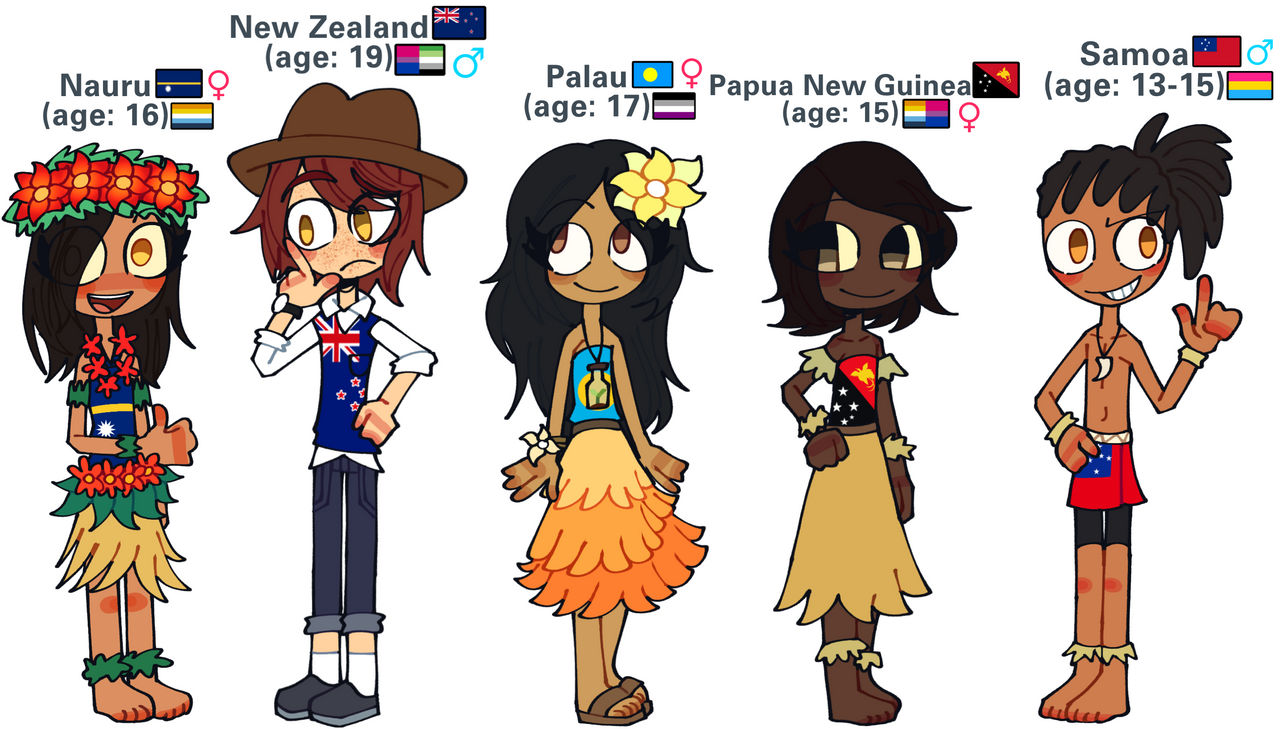
Image source: DeviantArt
Geography as Anatomy
One of the most effective techniques for character design is using a country's physical borders to influence its body type. For instance, Chile is frequently depicted as a tall, slender figure due to its exceptionally long coastline. Conversely, landlocked nations might be portrayed as more robust or "grounded." Coastal nations often incorporate maritime elements into their clothing or accessories, reflecting their relationship with the sea.
History as Scars and Maturity
A nation’s age and historical trauma can be reflected in its character's maturity. A country like the Czech Republic, which has a 1,000-year history but a relatively recent "rebirth" in 1993, offers a complex design challenge. Should the character be an elder with ancient wisdom or a young adult full of new energy? Many artists choose to depict older nations with "scars" representing past conflicts or architectural motifs that signify their enduring legacy.
Integrating National Symbols and Color Palettes
While flags are the primary source of color, top-tier designs look deeper. Incorporating national animals—like the Gallic Rooster for France or the Kangaroo for Australia—into the character's outfit adds layers of meaning. Furthermore, using regional landscapes (the lush greens of Ireland or the ochre sands of the Sahara) creates a more nuanced palette than simple primary colors. This approach moves the design away from generic "flag-heads" toward authentic cultural representation.
Common Tropes for Popular Humanized Nations
Certain nations have developed established "personalities" within the global fandom. These tropes are often based on a mix of historical stereotypes, modern geopolitical influence, and cultural exports.
The Evolution of the Big Three Personifications
- USA: Historically personified as Uncle Sam or Columbia, modern humanized versions often focus on a blend of global influence and internal diversity. The character is frequently depicted as energetic, tech-savvy, and occasionally burdened by the weight of global leadership.
- Britain: The contrast between the stoic "John Bull" and the regal "Britannia" remains a cornerstone. In modern art, Britain is often portrayed as a refined, somewhat traditional character with a dry sense of humor, reflecting its long diplomatic history.
- Russia: The enduring image of "Mother Russia" (Rodina Mat’) continues to influence designs. Modern iterations often lean into themes of resilience, vastness, and a complex relationship with its neighbors, frequently depicted with winter-themed attire.
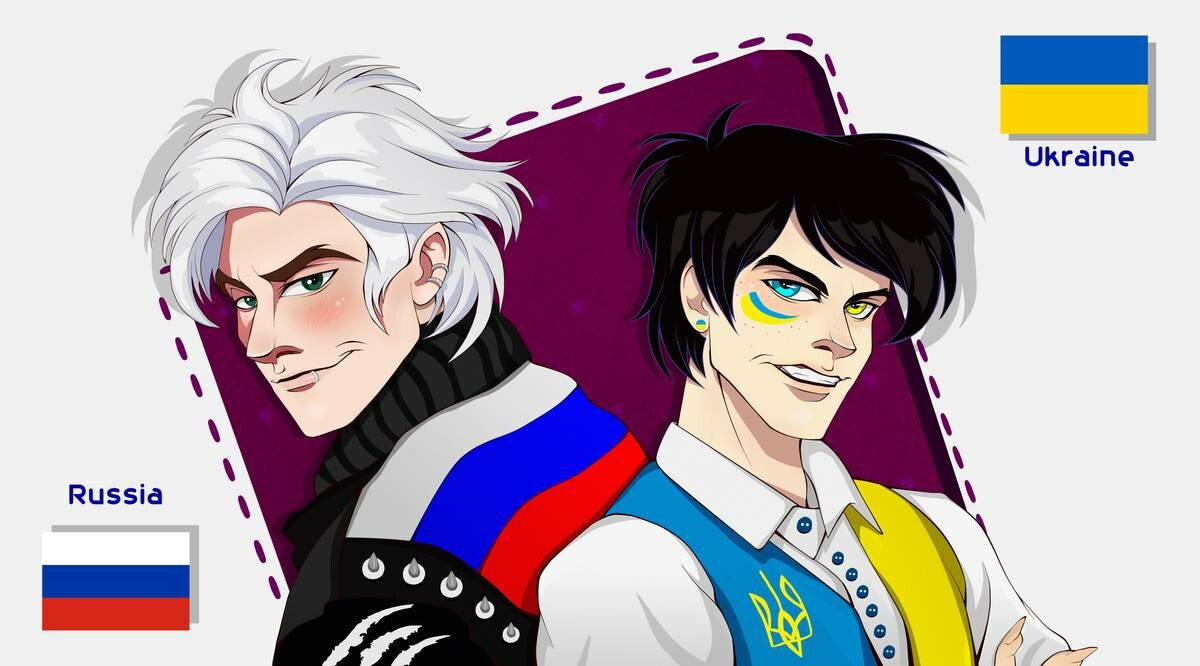
Image source: ArtStation
Regional Personality Archetypes and Cultural Motifs
Beyond the major powers, regional archetypes have emerged. Caribbean nations like Dominica are often depicted with "chill" or vibrant personalities, reflecting the region's famous hospitality and rhythmic culture. In the Arctic, Greenland is frequently portrayed with Inuit traits, highlighting its unique cultural identity and complex ties to Denmark. Japan remains a popular subject, typically designed as a blend of ancient samurai tradition and futuristic high-tech elements, mirroring its real-world status as a leader in both heritage and innovation.
How to Use AI to Create Humanized Country Art
Artificial Intelligence has significantly lowered the barrier to entry for creating humanized country art. Tools like Midjourney and DALL-E allow users to experiment with complex cultural motifs and "evolutionary" designs that were previously difficult to illustrate by hand.
The Ages of a Nation Trend
A popular trend in 2026 involves using AI to depict a country at different stages of life: as a child (ancient era), a teenager (industrial era), and an adult (modern era). This visual timeline helps tell the story of a nation's growth and cultural shifts. For example, a humanized Egypt might start as a child in pharaonic robes and transition into a modern professional, all while retaining subtle motifs like the Eye of Horus.
Specific AI Prompt Templates for Artists
To get the most out of AI generators, specificity is key. Avoid generic prompts like "humanized France." Instead, try these templates:
- Traditional Template: "A humanized personification of [Country], wearing traditional [Clothing], cinematic lighting, cultural motifs in the background, realistic features, 8k resolution."
- Modern Template: "[Country] as a modern character, streetwear style in flag colors, urban background, holding a [National Item], vibrant color palette, digital art style."
- Historical Evolution: "A split-screen image showing [Country] in the year 1800 vs 2026, humanized character, contrasting fashion styles, historical accuracy."
Which Countries Are the Most Humanized in Their Governance?
While art gives countries a face, the Social Progress Index (SPI) gives them a heart. In 2026, the rankings for "human-centric" governance show that some of the most humanized societies are not necessarily the wealthiest in terms of GDP.
| Country | GDP Rank | Social Progress Rank | Key "Humanized" Strength |
|---|---|---|---|
| Denmark | High | 1st | Civic Health & Inclusion |
| Japan | High | 2nd | Technical & Social Balance |
| Costa Rica | 59th | 29th | Personal Safety & Rights |
| USA | 1st | 16th | Access to Higher Education |
| Thailand | 58th | 57th | Economic Growth Focus |
Analyzing the 2026 Social Progress Index
According to the World Economic Forum , the SPI reveals a "social lag" in many developed nations. The United States, for example, ranks first in GDP but significantly lower in ecosystem sustainability and basic healthcare access. This discrepancy highlights that a country's "humanity" is defined by how it treats its most vulnerable citizens, not just its total economic output.
Case Studies in Human-Centric Policy
Costa Rica stands out as a top choice for study in this field. Despite having a much lower GDP than its neighbors, it consistently ranks high in personal rights and safety. This is largely due to its long-standing decision to abolish its military and reinvest those funds into education and healthcare. Similarly, Denmark leads the world in civic health, fostering a society where trust in institutions and social inclusion are exceptionally high.
How to Avoid Offensive Stereotypes in Countryhuman Designs
Humanizing a nation comes with a responsibility to represent its people with dignity. Relying on lazy stereotypes or caricatures can be harmful, especially for nations with a history of colonization or conflict.
Researching Beyond the Surface
Effective anthropomorphism requires deep research into a nation's actual demographics and citizen features. Instead of relying on exaggerated traits, look at contemporary photography and local fashion. For example, when humanizing El Salvador, artists are encouraged to base their designs on the authentic physical traits of the local population rather than generic Latin American tropes.
Promoting Tolerance and Inclusion
Organizations like Amnesty International provide critical data on human rights struggles across 144 countries. Artists can use their platforms to highlight these issues, humanizing the struggle of a nation's people rather than just its flag. By incorporating symbols of resistance or progress into their art, creators can foster a more empathetic global community.
The Future of Nations as People in a Digital World
As we move further into 2026, the way we humanize countries will be shaped by the digital divide and the rapid advancement of AI. The "personality" of a nation is increasingly defined by its digital presence and its contribution to the global tech economy.
- The Digital Divide: Internet penetration remains uneven, with 39% in sub-Saharan Africa vs. 93% in Europe. This affects which countries get "humanized" in the global digital consciousness.
- AI Economic Contribution: AI is projected to add $13 trillion to the global economy by 2030, potentially shifting the "power personalities" of nations in the Global South.
- Global Leadership: Programs like the McCain Global Leaders are training the next generation of "human-centric" policymakers who will define the future character of their nations.
AI and Cultural Representation
While AI offers new tools for art, it also risks reinforcing biases if the underlying data is not diverse. The World Economic Forum notes that technological innovation must be paired with human development to ensure that all cultures are represented fairly in the digital age. The future of humanized countries lies in a balance between data-driven policy and respectful, creative expression.
Key Takeaways on Nations as People
- Dual Nature: Humanizing a country is both a creative art form (anthropomorphism) and a metric for measuring governance (human rights).
- Design Strategy: Use geography for anatomy and history for character maturity to create more authentic personifications.
- Data Over Dollars: A country's "humanity" is best measured by the Social Progress Index (SPI), not just its GDP.
- Denmark and Japan: These nations currently lead the world in human-centric living and civic health as of 2026.
- Avoid Stereotypes: Base designs on real cultural data and citizen features to promote tolerance and inclusion.
- AI as a Tool: Use specific prompts to explore the "evolutionary ages" of nations and their cultural shifts.
- Digital Equity: Addressing the digital divide is essential for ensuring all nations are fairly represented in the global art community.
Start your next project by researching a nation's Social Progress Index score to give your humanized character a data-backed personality.
Frequently Asked Questions
Hetalia is a specific anime and manga series where nations are depicted as human characters with distinct personalities based on historical stereotypes. Countryhumans is a community-driven fandom, evolved from the Polandball meme, where nations are humanoid figures with flag-patterned heads. While both personify nations, Countryhumans is more decentralized and focuses heavily on visual art and fan-created lore.
It can be, depending on the execution. Because the fandom often deals with historical trauma and sensitive political relationships, some art can inadvertently trivialize serious events. However, many artists use the medium to promote cultural understanding and highlight human rights issues. Respectful design involves researching a nation's history and avoiding harmful caricatures.
Denmark consistently ranks among the top nations for human rights and civic health. Its governance model prioritizes social inclusion, personal freedom, and trust in public institutions. Other Nordic countries like Norway and Sweden also perform exceptionally well, setting a high standard for what a "humanized" society looks like in the modern era.
A great way to start is by using the "Geography as Anatomy" framework. Look at a map of the country and see if its shape suggests a certain body type or posture. Then, research the national dress, flower, and bird to add unique accessories. Avoid just drawing a flag on a face; instead, try to incorporate the flag's colors into a modern or traditional outfit that reflects the culture.
While the US leads in economic output and access to higher education, it lags in areas like personal safety, healthcare access, and environmental sustainability. The Social Progress Index highlights that high GDP does not automatically translate to a high quality of life for all citizens, identifying specific "humanized" gaps that need policy attention.