Home
Discover the Best Modern Korean Short Stories and Anthologies
Start with The Penguin Book of Korean Short Stories for a broad historical overview of 25 essential tales.
Explore the Columbia University Press collections for deep academic context and early 20th-century naturalism.
The Asia Publishers Bi-lingual series offers side-by-side Korean and English text for 45 different novellas.
Why Modern Korean Short Fiction Captivates Global Readers
The global rise of "K-Literature" has followed closely on the heels of the Korean Wave (Hallyu), which brought K-Dramas and films like Parasite to international acclaim. While novels like Han Kang’s The Vegetarian have garnered prestigious awards, the short story remains a foundational pillar of the Korean literary tradition. In South Korea, the short story is not merely a stepping stone to a novel; it is a respected art form that captures the rapid, often jarring transitions of a society that moved from agrarian poverty to high-tech metropolis in a single generation.
Modern Korean short stories, typically defined as those written from the 1930s to the present, offer a unique window into the "Korean soul." They tackle themes of historical trauma, national division, and the intense societal pressures of contemporary life, often referred to by younger generations as "Hell Chosŏn." According to Tony's Reading List , these stories have evolved from the naturalism and "gloom" of the colonial era to the surrealism and "slackerism" of the 21st century.
For international readers, these stories provide context that films often skip. They explain the roots of the intense competition seen in Squid Game or the deep-seated class anxieties of Parasite . By exploring these narratives, readers gain a more nuanced understanding of how historical events like the Japanese occupation and the Korean War continue to shape modern Korean identity.
Highly Acclaimed Modern Korean Short Story Anthologies Available Today
Choosing where to start can be daunting given the sheer volume of translated works. However, a few key collections stand out as top choices for both casual readers and serious students of literature. These anthologies are curated by leading experts in the field, ensuring that the translations maintain the emotional weight and stylistic nuances of the original Korean text.
The Penguin Book of Korean Short Stories
Published in recent years and edited by the renowned Bruce Fulton , this collection is widely considered one of the strongest entry points for English speakers. It features 25 stories that span nearly a century, organized by theme rather than strict chronology. This thematic approach allows readers to see how different generations of writers have approached concepts like "Peace and War" or "Women and Men."
Columbia University Press and Academic Collections
For those seeking a more academic or historical perspective, the collections from Columbia University Press are exceptionally strong. These often include extensive footnotes and critical introductions that place each story within its specific political and social context. While these can be denser than the Penguin collection, they are vital for understanding the evolution of the Korean literary voice during the mid-20th century.
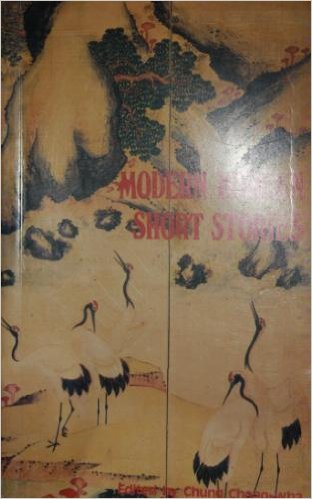
Image source: Goodreads
How to Choose the Right Anthology for Your Reading Goals
Your choice of anthology should depend on whether you are reading for pleasure, academic study, or language acquisition. The following table compares the most popular options to help you decide which fits your needs.
| Anthology | Best For | Number of Stories | Translation Style |
|---|---|---|---|
| Penguin Book of Korean Short Stories | General Readers | 25 | Modern, fluid, and accessible |
| Asia Publishers Bi-lingual Series | Language Learners | 45 (Individual books) | Literal yet literary; side-by-side |
| Columbia University Press Editions | Academic Study | Varies | Formal, with heavy critical context |
| Modern Korean Fiction (Fulton) | Historical Depth | ~20 | Focus on mid-century classics |
If you are a casual reader, the Penguin collection offers the most variety. However, if you are specifically interested in the "naturalist" movement of the early 20th century, older collections like Meetings and Farewells (edited by Chung Chong-wha) provide a raw look at the poverty and struggle of that era, though the translations may feel slightly more dated compared to modern standards.
Why You Should Read the Story Before the Introduction
A unique aspect of Korean literary publishing is the role of the critic. In many anthologies, particularly those published in Korea or by academic presses, the stories are preceded by lengthy introductions written by prominent critics like Kwon Youngmin. While these introductions provide valuable historical context, they frequently contain major spoilers, often summarizing the entire plot and revealing the ending before you have read a single word of the fiction.
This "summary trap" is particularly prevalent in the Penguin collection and the Asia Publishers series. The critics often focus on the "message" or the "social significance" of the work, which can sometimes overshadow the personal, human elements of the story if read beforehand. By reading the fiction first, you allow yourself to experience the author's intended pacing and atmosphere.
Master the Language with Bi-lingual Modern Korean Short Stories
For those learning the Korean language, the Asia Publishers Bi-lingual Edition Modern Korean Literature Collection is a significant advancement in educational resources. This massive project consists of 45 individual books, each featuring a short story or novella. The layout places the original Korean text on the left-hand page and the English translation on the right.
According to KTLIT , this format allows learners to see exactly how professional translators like Bruce and Ju-Chan Fulton handle complex Korean particles, honorifics, and cultural idioms. It bridges the gap between textbook grammar and native-level fluency. The series is divided into three major collections:
- Collection 1: Focuses on Division, Industrialization, and Women.
- Collection 2: Explores Liberty, Love, and the North/South split.
- Collection 3: Covers Seoul, Tradition, and the Avant-Garde.
A practical "pricing hack" for students: while the full boxed set can be expensive (often over $100), individual volumes are frequently available for around $7 to $10. This allows you to pick stories that match your specific interests or current language level without committing to the entire series at once.
How to Use Graded Readers to Bridge the Fluency Gap
If native-level short stories feel too overwhelming, graded readers are a top-tier option for building confidence. These stories are rewritten using controlled vocabulary and grammar structures suited to specific CEFR levels (A1 to C2). Platforms like FluencyDrop provide digital versions of these stories, allowing for "comprehensible input" that is essential for language acquisition.
Graded readers typically follow this progression:
- Level A1-A2 (Beginner): Focuses on everyday topics, simple sentence structures, and high-frequency vocabulary. Themes often include family, school, and basic social interactions.
- Level B1-B2 (Intermediate): Introduces more complex tenses and cultural nuances. Stories may begin to touch on social issues or historical events, but with simplified language.
- Level C1-C2 (Advanced): These are often slightly abridged versions of actual modern short stories, retaining the author's original style while providing glossaries for difficult terms.
The Five Essential Themes of Modern Korean Fiction
To truly appreciate modern Korean literature, one must understand the recurring themes that dominate the landscape. These themes are not just literary tropes; they are reflections of the collective trauma and rapid development of the Korean peninsula.
- Hell Chosŏn & Economic Struggle: A term used by young Koreans to describe the grueling, competitive nature of modern society. Stories in this category often deal with unemployment, debt, and the crushing weight of societal expectations.
- Division & War: The lasting trauma of the Korean War and the physical and emotional split between North and South. This theme explores the "han" (unresolved grief) of families separated by the DMZ.
- Women’s Issues & Patriarchy: Perspectives on the traditional patriarchal family structure and the evolving role of women in the workforce and home. These stories often highlight the quiet domestic struggles that define many women's lives.
- Industrialization & Urbanization: The rapid shift from rural villages to the sprawling metropolis of Seoul. This often manifests as a sense of alienation and the loss of traditional community values.
- The New Surrealism: A shift away from the "gloom" of the past toward atmospheric, ghost-filled, or "slacker" narratives. These stories use the supernatural or the absurd to comment on the strangeness of modern life.
From Gloom to Slackerism and How the Narrative Tone Evolved
The tone of Korean fiction has undergone a significant transformation over the last century. Early modern literature, particularly from the 1930s, was heavily influenced by "naturalism." Writers like Kim Tong-in focused on the harsh realities of poverty and colonial oppression, leading to a body of work that many Western readers initially found "gloomy and painful."
However, as South Korea modernized, the narrative tone shifted. By the 1990s and 2000s, a new wave of writers began to experiment with form and mood. Jung Young Moon, for example, is a leading figure in what critics call "slackerism"—stories that lack a traditional driving plot and instead focus on the aimless, often humorous internal monologues of characters who feel disconnected from the hyper-productive Korean society.
This evolution represents a move from national survival to individual identity. While the "gloom" of the past hasn't entirely disappeared, it has been replaced by a more varied palette of emotions, including dark humor, surrealist horror, and existential irony. This makes contemporary Korean short stories feel remarkably "cutting edge" and relatable to global audiences facing similar modern anxieties.
Essential Modern Korean Short Stories You Should Not Miss
If you are looking for specific recommendations to start your journey, these four stories represent a cross-section of the genres and themes discussed above.
Widely regarded as the quintessential Korean short story, this is a poignant tale of innocent love between a country boy and a girl from the city. It is a staple of the Korean school curriculum.
A perfect example of the "slacker" narrative. It follows a character who moves to the countryside for no particular reason, offering a meditative and often funny look at aimlessness.
From the author of Please Look After Mom , this story uses atmospheric dread and ghost-story tropes to explore deeper psychological traumas.
A chilling look at modern delivery culture and the isolation of urban life. It captures the "Hell Chosŏn" sentiment through a lens of domestic unease.
Why Translation Quality Matters for Your Reading Experience
The quality of the translation can make or break your experience with Korean literature. In the past, some translations were criticized for being overly literal or failing to capture the rhythmic beauty of the Korean language. Older versions from the 1970s and 80s sometimes feel redundant or end abruptly, which can be confusing for readers accustomed to Western narrative structures.
Today, the standard of translation has reached a high point, largely thanks to the work of Bruce and Ju-Chan Fulton . Their translations are notably innovative in how they balance cultural fidelity with English readability. When browsing for books, look for their names or other contemporary translators like Deborah Smith (who translated The Vegetarian ) or Anton Hur. These modern translations ensure that the "voice" of the author—whether it is the dry wit of Park Wan-suh or the haunting prose of Han Kang—comes through clearly.
Where to Read Modern Korean Short Stories Online for Free
If you aren't ready to purchase a physical anthology, there are several high-quality digital resources available. The Literature Translation Institute of Korea (LTI Korea) is a government-funded body dedicated to promoting Korean literature abroad. Their website and digital library offer a wealth of information, including excerpts and full stories in various languages.
Additionally, London Korean Links often reviews and provides links to digital collections. For language learners, apps that focus on "short-form" content are a great way to practice daily. While free resources are excellent for sampling, purchasing the anthologies directly supports the translators and authors who make this cultural exchange possible.
Frequently Asked Questions
- Who is the most famous Korean short story writer?
- Hwang Sun-won is widely considered the most influential figure in the genre, particularly for his story "Rain Shower." Yi Sang is also highly celebrated for his avant-garde and modernist works from the 1930s, such as "Wings."
- What is the best Korean short story for beginners?
- "Rain Shower" (Sonagi) is a top choice for beginners due to its simple, evocative prose and universal themes of young love and loss. It provides a gentle introduction to the emotional landscape of Korean fiction.
- Are there any Korean short stories with English translations side-by-side?
- Yes, the Asia Publishers Bi-lingual Edition series is specifically designed for this purpose. It features 45 different stories with Korean on one page and English on the other, making it a premier resource for language learners.
- Why is Korean literature often so sad or melancholic?
- This melancholy is often attributed to "han," a uniquely Korean concept of collective grief and resentment stemming from a history of foreign occupation, war, and rapid social change. However, modern stories also incorporate dark humor and surrealism.
- Is the Penguin Book of Korean Short Stories worth it?
- By most accounts, yes. It offers the most comprehensive and readable overview of the genre currently available in English, featuring 25 stories that cover a wide range of styles and time periods.
Final Thoughts on Exploring Korean Short Fiction
Modern Korean short stories offer a profound and accessible way to engage with a culture that is often only seen through the lens of pop music and television. Whether you are a student of the language or a lover of world literature, these narratives provide insights that are both deeply specific to Korea and universally human.
- Start with the Penguin anthology for a broad, high-quality overview of the last century.
- Use the Asia Publishers series if you want to improve your Korean language skills through side-by-side reading.
- Read the fiction before the introduction to avoid spoilers and form your own emotional connection to the story.
- Look for modern translations by Bruce and Ju-Chan Fulton to ensure the best reading experience.
- Explore by theme rather than just chronology to see how Korean writers tackle modern issues like "Hell Chosŏn."
- Don't be afraid of the "gloom" —modern stories offer plenty of surrealism, humor, and atmospheric horror.
Pick up a collection today and discover why these short masterpieces are finally receiving the global recognition they deserve.