Home
15 Cyberpunk Novels That Define the Genre for Beginners and Hardcore Fans
For readers entering the neon-soaked world of a cyberpunk novel , the starting point depends on your goals. If you want the foundational experience, Neuromancer by William Gibson is widely regarded as a top-tier choice. For those seeking high-octane action with modern sensibilities, Altered Carbon by Richard K. Morgan ranks among the most accessible. Fans of the Cyberpunk 2077 video game should look toward No Coincidence by Rafal Kosik or 36 Streets by T.R. Napper for a similar atmospheric grit.
What Defines the High Tech Low Life Ethos in Fiction
Cyberpunk is more than just neon lights and rainy streets; it is a subgenre of science fiction that explores the intersection of "high tech" and "low life." According to historical definitions, the genre typically features characters who are marginalized, alienated loners living on the fringes of a society dominated by rapid technological change and corporate hegemony. As noted by Wikipedia , the term was popularized in the 1980s as a pessimistic response to the more optimistic "Golden Age" of science fiction.
- Megacorporations
- Entities that hold more power than sovereign nations, often controlling every aspect of a citizen's life from the cradle to the grave.
- Cybernetic Enhancements
- The blurring of lines between man and machine, where body parts are replaceable and the mind can be uploaded to a digital network.
- The Sprawl / Night City
- Hyper-urbanized environments where extreme wealth and crushing poverty exist side-by-side, often depicted with a distinct noir aesthetic.
- Netrunning / Hacking
- The act of navigating a global data network, often visualized as a three-dimensional virtual reality landscape.
The etymology of the term itself is a fascinating piece of literary history. While many associate the genre solely with William Gibson, the word "Cyberpunk" was actually coined by Bruce Bethke in 1980 as the title for a short story. It was later adopted by editor Gardner Dozois to describe the emerging wave of gritty, tech-focused fiction that was beginning to dominate the Hugo and Nebula awards.
Foundational Classics That Shaped the Cyberpunk Landscape
To understand the modern cyberpunk novel, one must look back at the "Big Three" works that established the tropes we see in games and films today. These books are frequently cited by authorities like FanFiAddict as essential reading for any genre enthusiast.
Neuromancer by William Gibson
Published in 1984, this book is often called the "Big Bang" of the genre. It introduced the concept of the "Matrix" and the "cyber-cowboy" protagonist, Case. Gibson's prose is dense and stylistic, creating a world that feels lived-in and overwhelming.
Snow Crash by Neal Stephenson
A bridge between 80s grit and 90s satire, this novel introduced the "Metaverse." While it features a pizza-delivering samurai, it deals with serious themes of linguistic viruses and corporate anarcho-capitalism.
Do Androids Dream of Electric Sheep?
Philip K. Dick’s 1968 masterpiece provided the philosophical roots for the genre. It explores what it means to be human in a world where artificial beings are indistinguishable from biological ones.
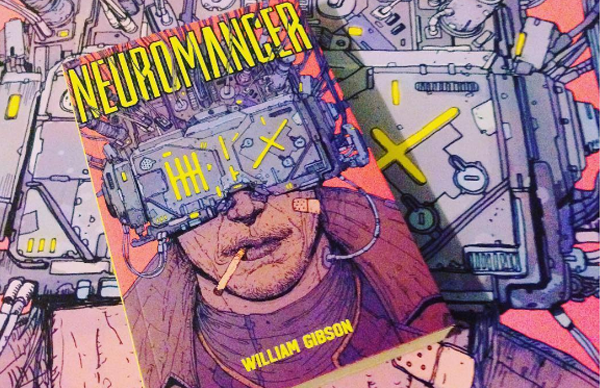
Image source: Medium
These foundational texts did more than just tell stories; they predicted the social impact of the internet, the rise of globalist corporate power, and the ethical dilemmas of artificial intelligence. *Neuromancer*, in particular, is noted for its "Information Overload" writing style, which intentionally bombards the reader with jargon to simulate the experience of a hyper-connected future.
Why Some Cyberpunk Stories Feel Difficult to Read
A common frustration among new readers is the perceived difficulty of early cyberpunk prose. Many report that the first 50 pages of *Neuromancer* are confusing or require multiple re-reads. This is not a failure of the writing, but a specific stylistic choice known as the "Information Overload" technique.
As expert PekoeBlaze explains, cyberpunk authors often omit explanations for futuristic jargon. In a standard sci-fi novel, a character might explain how a "cyberdeck" works. In a cyberpunk novel, the character simply uses it, assuming the reader—like a citizen of that future—already knows what it is. This creates an immersive, albeit challenging, "sink or swim" experience for the audience.
Comparing Cyberpunk Novels by Accessibility and Action
Choosing your next read depends on whether you want a philosophical challenge or a fast-paced thriller. The following table ranks several top choices based on their readability and action levels to help you decide.
| Book Title | Readability (1-10) | Action Level | Primary Theme |
|---|---|---|---|
| Altered Carbon | 8/10 | High | Identity & Immortality |
| Snow Crash | 6/10 | Moderate | Linguistics & Virtual Reality |
| Neuromancer | 4/10 | Moderate | AI Consciousness |
| 36 Streets | 7/10 | High | Memory & Colonialism |
| Hard-Boiled Wonderland | 3/10 | Low | Subconscious & Dreams |
Finding the Right Book for Fans of the Cyberpunk 2077 Video Game
The success of CD Projekt Red's Cyberpunk 2077 has brought a new generation of fans to the literary genre. If you enjoyed the mechanics of the game, there are specific novels that mirror those experiences exceptionally well.
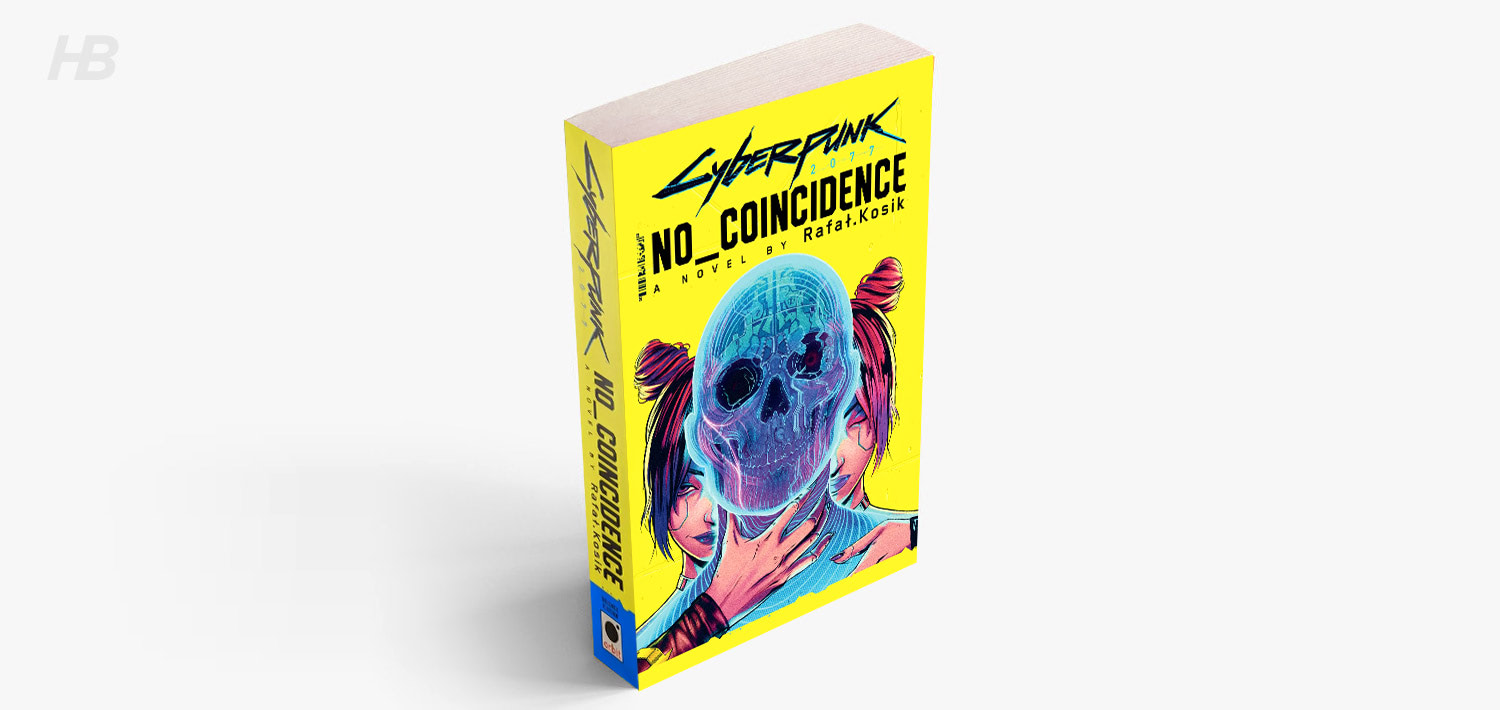
Image source: Hypebrother
- If you loved the "Braindance" or Memory Tech: Read 36 Streets by T.R. Napper. It features a protagonist who navigates a gritty, futuristic Vietnam while dealing with the psychological fallout of altered memories.
- If you loved the "Trauma Team": The Cyberpunk 2077: Trauma Team comic series provides a deep dive into the high-stakes world of corporate emergency medical services.
- If you loved the "Night City" atmosphere: You must read Neuromancer . Gibson actually coined the name "Night City" (referring to a district in Chiba, Japan), and the game's aesthetic is a direct homage to his vision.
- The Official Tie-in: Cyberpunk 2077: No Coincidence by Rafal Kosik is a notably innovative addition to the lore, following a group of strangers forced into a high-stakes heist that feels exactly like a mission from the game.
Modern Cyberpunk Stories Featuring Diverse Global Perspectives
While the 1980s wave of cyberpunk was heavily influenced by a Western fascination (and sometimes fear) of Japanese economic dominance, modern "Post-Cyberpunk" has shifted toward more diverse, global perspectives. Authors are now exploring how high-tech dystopias manifest in Southeast Asia, Africa, and South America.
According to Bookish Brews , this shift is essential for the genre's longevity. The Windup Girl by Paolo Bacigalupi, for instance, moves the setting to Thailand and focuses on "biopunk" themes—where genetic manipulation and food scarcity replace traditional hacking as the primary conflict. Similarly, The Last Contract of Isako by Fonda Lee (a 2026 release) brings a fresh perspective to futuristic conflict, focusing on the personal costs of high-stakes mercenary work.
These modern works often subvert the "white male hacker" trope, offering a more nuanced look at how technology impacts different cultures and socioeconomic classes. They maintain the "low life" grit but apply it to a world that looks much more like our own projected future.
How to Select Your Next Dystopian Adventure
With so many subgenres—Biopunk, Steampunk, Nanopunk—it can be difficult to know if a book is truly "cyberpunk." A helpful decision framework is to look at the tone and the technology. If the story focuses on virtual reality and corporate control, it's likely cyberpunk. If it focuses on biological engineering, it's biopunk.
It is also important to distinguish between Cyberpunk and LitRPG. While books like Ready Player One feature virtual reality, they often lack the "low life" social commentary that defines the cyberpunk novel. As author Tim Hawken notes, true cyberpunk is inherently political and pessimistic, whereas LitRPG is often more focused on the mechanics of gaming and wish fulfillment.
Key Takeaways for Navigating the Cyberpunk Genre
- Start with Altered Carbon if you prefer a fast-paced, noir-style entry point that is easier to follow than the classics.
- Don't give up on Neuromancer ; the initial jargon is a stylistic choice designed to immerse you in a foreign future.
- Look to modern authors like T.R. Napper and Fonda Lee for diverse, global perspectives that move beyond 1980s tropes.
- Use the game-to-book roadmap to find stories that match your favorite mechanics from Cyberpunk 2077 .
- Distinguish by tone ; true cyberpunk requires a "low life" element of social struggle, not just high-tech gadgets.
- Consider audiobooks for denser prose to help capture the rhythmic, noir-inspired flow of the writing.
Pick up a copy of Neuromancer or 36 Streets today to begin your journey into the neon-lit sprawl of the future.
Frequently Asked Questions
Is there an official Cyberpunk 2077 novel?
What is the best cyberpunk novel for a complete beginner?
Why is Neuromancer so hard to follow for some readers?
What is the difference between Cyberpunk and Steampunk?
Are there any cyberpunk novels with romance?