Home
Who Are the Top Alternative Bands of All Time and Today?
Alternative music is a broad umbrella encompassing genres like Grunge, Shoegaze, Indie Rock, and Post-Punk . While the term originated as a rejection of mainstream commercial tropes, it has evolved through three distinct eras: the 90s explosion (Nirvana, Radiohead), the 2000s garage rock revival (The Strokes, The Killers), and the modern era of noise-rock and dream pop (Idles, Beach House). Today, discovery is driven by community-vetted platforms like KEXP rather than traditional radio formats.
What Actually Makes a Band Alternative?
The term "Alternative" is often misunderstood as a specific sound, but it is more accurately described as a philosophy of music production and distribution. According to historical genre definitions , alternative rock is music that is unconventional or exists outside the mainstream, typically rooted in independent record labels [Source 8].
In the 1980s, this music was frequently referred to as "College Rock," named for the university radio stations that were the only outlets willing to play bands like R.E.M. or The Replacements. As these bands gained traction, the industry rebranded the movement as "Alternative" in the early 1990s to market it to a wider audience. Today, many experts consider "Alternative" a legacy radio format, with modern listeners preferring more specific sub-genre tags like "Indie," "Dream Pop," or "Post-Punk" [Source 1].
The core pillars of the genre include:
- Grunge: A heavy, distorted sound blending punk and metal (e.g., Nirvana, Soundgarden).
- Shoegaze: A focus on ethereal vocals and massive walls of guitar effects (e.g., My Bloody Valentine).
- Dream Pop: Atmospheric, melodic, and often synth-heavy textures (e.g., Beach House).
- Post-Punk: A jagged, rhythmic approach often featuring socially conscious lyrics (e.g., Idles).
The Legends Who Built the Alternative Genre
The foundation of alternative music rests on a handful of bands that successfully bridged the gap between underground credibility and massive cultural impact. These artists appear consistently across curated lists as the consensus greats of the genre [Sources 1, 3, 5, 8].
The Big Three of the Early Era
The early 90s were defined by a seismic shift in the musical landscape. Nirvana stands as the most prominent figure of this era; the 1991 release of "Smells Like Teen Spirit" is widely cited as the moment alternative music moved into the mainstream, effectively ending the dominance of 80s hair metal [Sources 1, 8].
Alongside them, R.E.M. proved that an alternative band could maintain longevity and artistic integrity while transitioning to major labels. Their "jangle-pop" roots and cryptic lyrics set the standard for what college rock could achieve. Meanwhile, The Pixies introduced the "loud-quiet-loud" dynamic—a songwriting technique involving quiet verses and explosive, distorted choruses—that would become the blueprint for nearly every alternative band that followed [Source 8].
The British Influence and Experimental Pioneers
Across the Atlantic, bands like The Cure and The Smiths were shaping the emotional landscape of the genre. The Cure blended gothic rock with pop sensibilities, while The Smiths, led by Johnny Marr’s intricate guitar work, defined the sound of 80s British indie.
As the 90s progressed, Radiohead emerged as the genre's premier experimentalists. Their transition from the Britpop-adjacent sound of The Bends to the electronic, avant-garde textures of Kid A demonstrated that alternative music could be intellectually challenging while remaining commercially viable [Sources 1, 3].
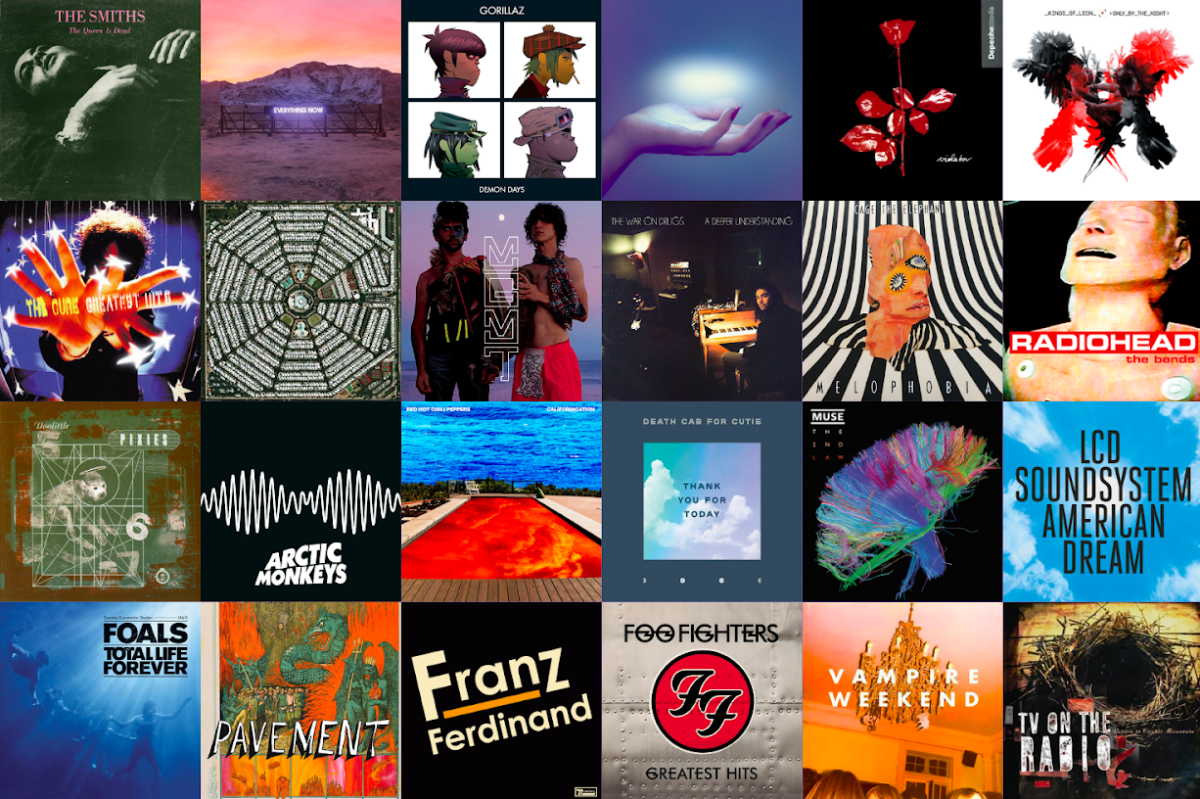
Image source: The Forest Scout
The Post-Punk and Garage Rock Revival of the 2000s
By the turn of the millennium, the initial grunge wave had receded, leaving a vacuum that was filled by a raw, stripped-back sound centered in New York City. The Strokes and Interpol led this charge, returning to the influence of 70s proto-punk bands like Television and The Velvet Underground [Source 3].
This era also saw the rise of "Arena-Alt," where bands like The Killers and Muse blended alternative roots with massive, synth-heavy production designed for stadiums. While some purists argued these bands were too commercial, their impact on the genre's visibility was undeniable. Simultaneously, the "Emo-Alt" crossover brought bands like Paramore and My Chemical Romance to the forefront, bridging the gap between alternative rock and pop-punk for a new generation [Source 2].
Modern Alternative Bands You Should Be Listening to Right Now
In 2026, the alternative scene is more fragmented and diverse than ever. Traditional radio has largely been replaced by tastemakers like KEXP (Seattle) , which has become a primary arbiter of modern music discovery [Source 6].
Current standouts include Been Stellar , who are widely regarded as the rising stars of modern noise-rock, and Idles , who have spearheaded a resurgence of politically charged post-punk [Source 3, 6]. For those who prefer atmospheric sounds, Beach House remains the definitive sound of modern Dream Pop, consistently ranking among the top choices for listeners seeking immersive, cinematic experiences.
How to Find New Music When You Feel Stuck in the Past
Many listeners experience the "30-Year-Old Discovery Cliff," a psychological phenomenon where active music discovery declines significantly after age 30, leading to a reliance on nostalgia [Source 6]. To overcome this, community forums suggest a "Bridge Strategy"—pairing legendary favorites with modern artists who share similar sonic signatures.
| If You Liked... | Listen To... | The Sonic Connection |
|---|---|---|
| Sonic Youth | Been Stellar | Dissonant guitars and urban noise-rock energy. |
| The Pixies | Wolf Alice | Dynamic loud-quiet shifts and female-led vocals. |
| The Cure | Nation of Language | Synth-driven melodies with a melancholic edge. |
| Pavement | MJ Lenderman | "Slacker Rock" aesthetic with witty, lo-fi storytelling. |
Technical Secrets Behind the Iconic Alternative Sound
What separates a legendary alternative track from a generic rock song often comes down to technical arrangement and sound design. Expert producers use specific techniques to create the "unconventional" feel that defines the genre.
The Perspective Method in Songwriting
Modern alternative arrangers often use the "Perspective Method," which involves placing specific markers in a Digital Audio Workstation (DAW) to ensure the song evolves every 30 to 60 seconds. This prevents the listener from becoming habituated to the sound, creating "surprises" through subtle shifts in percussion or vocal layering [Source: Audio Services].
Guitar Layering and Sound Design
Bands like Catfish and the Bottlemen are known for layering multiple guitar tracks to mimic the texture of synths or vocal harmonies. Instead of playing a single technical riff, they might layer three different guitars playing the same chord, each with a different EQ setting and modulation effect, to create a "wall of sound" that feels massive without being muddy [Source: Ultimate Guitar].
Furthermore, the "Noel Gallagher" approach remains influential: building complexity through simple chord sequences and memorable melodies rather than technical shredding. This focus on "song first, technique second" is a hallmark of the alternative philosophy [Source: Ultimate Guitar].
Comparison of Alternative Eras and Sub-genres
To understand the evolution of the genre, it is helpful to look at how production styles and defining bands have shifted over the decades.
Frequently Asked Questions
A: A band is typically considered alternative if their music challenges mainstream commercial standards or originates from independent labels. While the sound can vary from quiet folk to heavy grunge, the defining characteristic is a rejection of the "polished" production tropes found in top-40 pop and mainstream rock. Historically, this also meant a reliance on college radio and underground touring circuits rather than major label promotion.
A: The "Big Four" usually refers to the pillars of the Seattle Grunge scene: Nirvana, Pearl Jam, Soundgarden, and Alice in Chains. These bands were instrumental in bringing the alternative sound to a global audience in the early 1990s. While they shared a geographic origin, each had a distinct sound—from Nirvana's punk-inflected melodies to Alice in Chains' heavy, sludge-metal influence.
A: Historically, "Alternative" was the industry term used in the 90s for bands that had moved from independent labels to major ones. "Indie" (short for independent) originally referred to the distribution method—bands on small, self-funded labels. Over time, "Indie" has become a stylistic tag for a softer, more melodic sound, while "Alternative" is often used as a broader umbrella for heavier or more experimental rock music.
A: Critics often point to a shift in cultural appetite toward authenticity. The late 80s were dominated by highly polished, image-conscious "hair metal" bands. When Nirvana released *Nevermind*, the raw emotion and unpolished production resonated with a generation that felt alienated by the excess of the previous decade. This shift was as much about fashion and attitude as it was about the music itself.
A: This is a point of contention. U2 began as a post-punk band, which is a core alternative sub-genre. Coldplay’s early work was heavily influenced by Radiohead and Jeff Buckley. However, as both bands achieved massive commercial success and moved toward a more universal pop-rock sound, many critics argued they moved out of the "Alternative" category. The answer often depends on whether you define the genre by its sound or its commercial status.
Key Takeaways on Alternative Music
- Alternative is an umbrella term for diverse sub-genres including Grunge, Shoegaze, and Indie, all united by a rejection of mainstream tropes.
- The "Big Three" eras (90s, 2000s, and Modern) each introduced distinct production styles, from the loud-quiet dynamics of the 90s to the lo-fi revival of the 2000s.
- Nirvana, R.E.M., and The Pixies remain the foundational legends that defined the genre's commercial and artistic boundaries.
- The "Discovery Cliff" can be overcome by using "Bridge Artists" to connect classic favorites with modern emerging acts.
- Technical sound design , such as the "Perspective Method" in DAW arrangements and complex guitar layering, is what gives alternative music its unique texture.
- Modern tastemakers like KEXP have replaced traditional radio as the primary source for finding high-quality new alternative music.
To stay ahead of the discovery curve, consider exploring community-vetted playlists on platforms like KEXP or participating in music discovery forums to find your next favorite band.