Home
What Is Alt Music and How Does It Differ From Mainstream Pop?
Alternative music (or "alt music") is a broad umbrella term for music that prioritizes a DIY ethos, non-traditional song structures, and a "sonic attitude" over commercial polish. Originally defined by what it is not (not mainstream pop, country, or metal), it emerged from the 1970s underground and 1980s college radio scenes. Today, it ranks among the top genres for listeners seeking authenticity, spanning everything from 90s grunge to modern "Alt-Z" bedroom pop.
For decades, the term "alternative" has been one of the most debated labels in the music industry. To some, it represents the raw, distorted guitars of the 1990s; to others, it is the ethereal, synth-heavy bedroom pop of the 2020s. At its core, alternative music is less about a specific instrument and more about a philosophy of creation. It is the sound of artists working outside the traditional machinery of the major label system, even when they eventually find themselves at the top of the charts.
What Does the Term Alternative Music Actually Mean?
Defining alternative music is often described as the "not a cat" problem. If you are trying to define a cat, you describe its fur, whiskers, and meow. If you define alternative music, you often start by listing what it isn't. It isn't the manufactured polish of Top 40 pop; it isn't the rigid structure of traditional country; and it isn't the hyper-technicality of progressive metal. According to Wikipedia , the genre is characterized by its distinction from mainstream, commercial rock or pop.
This "definition by exclusion" means that the genre is constantly shifting. What was considered alternative in 1985 (like R.E.M.) sounds very different from what is considered alternative today (like Billie Eilish). However, several core pillars remain consistent:
- The DIY Ethos: A focus on self-production, independent labels, and a "do-it-yourself" approach to marketing and aesthetic.
- Mood Over Polish: Alternative artists often prioritize the emotional "vibe" or a specific concept over the technical perfection of the recording.
- Cultural Scale: It describes a "sonic attitude" where the artist intentionally subverts expectations of how a song "should" sound to be successful.
In the modern era, the label has become a cultural signifier. As noted by industry curators, listeners often use the "Alt" label as a way to signal they are accessing "real art" rather than a purely commercial product. It functions as a metaphorical speakeasy—a space that feels exclusive and authentic, even if the artist has millions of streams.
Where Did Alternative Music Come From?
The roots of alternative music are buried in the 1970s underground. As the initial explosion of punk rock began to splinter, new genres like post-punk, new wave, and independent hardcore began to emerge. These artists weren't looking for radio play; they were looking for a way to express ideas that the disco and arena-rock dominated airwaves ignored.
- The 1970s Underground: The evolution began with independent punk scenes in London, New York, and Los Angeles. Bands like Joy Division and The Velvet Underground (retrospectively) set the stage for a sound that was darker and more experimental.
- The Terry Tolkin Influence: The term "alternative" is often credited to Terry Tolkin, who used it in 1979 to describe groups that didn't fit the "new wave" or "punk" boxes. It was a catch-all for the non-conforming.
- The 1980s "College Rock" Era: Before it was called "Alternative," it was "College Rock." Campus radio stations, such as KROQ-FM, became the lifeblood of the genre. These stations were the only places playing bands like The Smiths, The Cure, and Pixies.
- The 1988 Billboard Milestone: In September 1988, Billboard officially introduced the "Alternative" chart. This institutionalized the term, moving it from a vague description to a formal industry category.
By the end of the 1980s, the infrastructure for alternative music was solid. Independent labels like SST, Dischord, and Sub Pop were proving that you could sell thousands of records without a major label's help. This set the stage for the most significant shift in rock history.
How Did Alternative Music Go Mainstream in the 90s?
The period between 1991 and 1996 is widely considered a significant advancement in the history of the genre. During this five-year window, the "alternative" became the "mainstream." The catalyst was a single song: "Smells Like Teen Spirit" by Nirvana.
When Nirvana’s Nevermind knocked Michael Jackson off the top of the charts in early 1992, it signaled a generational shift. Generation X, characterized by a certain level of cynicism and a desire for authenticity, found their voice in the distorted, angst-ridden sounds of the Seattle grunge scene. This "Nirvana Effect" dismantled the dominance of 80s glam metal almost overnight.
While America was obsessed with Grunge, the UK was developing its own alternative response: Britpop. Bands like Oasis and Blur reclaimed the melodic sensibilities of 60s rock but infused them with a modern, alternative edge. According to Britannica , this era was the primary cultural driver that turned alternative music into a commercial powerhouse, fundamentally changing how rock music was marketed.
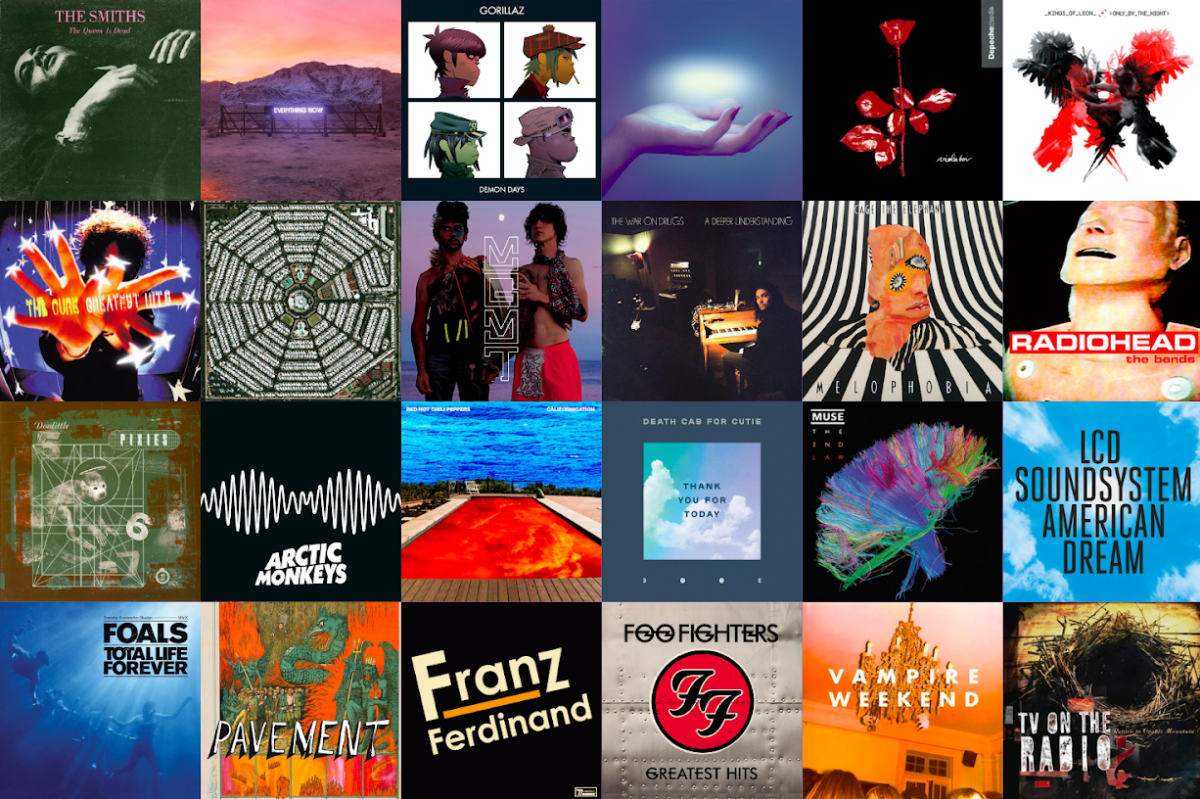
Image source: The Forest Scout
The Secret Production Techniques That Define the Alt Sound
One of the most notable innovations in alternative music is how the songs are actually built. While pop music often follows a linear "Verse-Chorus-Verse" structure designed for immediate catchiness, alt-producers use advanced techniques to create tension and "sonic decay."
The "Perspective Method"
Many modern alt-producers utilize what is known as the "Perspective Method." Instead of a linear progression, the song is viewed as a 4-part ecosystem: the Intro, the Outro, and two "Middle Pivots." These pivots are moments where the song fundamentally changes its mood or instrumentation—perhaps dropping the drums entirely or introducing a chaotic electronic texture. This creates "surprises" that keep the listener engaged in a way that predictable pop structures do not.
Non-Linear Arranging
In the digital age, alt-artists often move away from traditional songwriting. Instead of writing a story from start to finish, they may "jam" or record long electronic sequences for 30 minutes, then use a DAW (Digital Audio Workstation) to "chop out the crap." They look for a specific motif or a moment of "beautiful decay" and build the song around that fragment. This results in tracks that feel more like sound collages than traditional compositions.
How to Tell the Difference Between Alternative and Indie Music
The terms "Alternative" and "Indie" are frequently used interchangeably, but they originally described two different things. "Indie" referred to the business model (independent distribution), while "Alternative" referred to the sonic style . Today, the lines are blurred, leading to the "Major Label Paradox" where a band signed to a massive corporation is still labeled "Indie" because of their sound.
| Feature | Alternative | Indie | Mainstream Pop |
|---|---|---|---|
| Primary Goal | Artistic expression/Mood | Creative independence | Commercial success |
| Production Style | Experimental/Raw | Lo-fi/DIY | Highly polished |
| Typical Themes | Angst, introspection, social critique | Personal, niche, quirky | Love, partying, universal relatability |
| Distribution | Major or Independent | Historically Independent | Major Labels |
What Does Alternative Music Sound Like Today?
In the 2020s, the genre has undergone another significant step forward with the rise of "Alt-Z" and "Bedroom Pop." Artists like Billie Eilish, Willow, and Twenty One Pilots have proven that you don't need a four-piece rock band to be "alternative."
This modern era is often explained by the Recycling Theory . Much of what we call "Alt" today is a rebranding of 80s synth-pop and EDM for a new generation. By stripping away the neon-soaked optimism of the 80s and replacing it with darker, more intimate lyrics, modern artists have created a new subgenre that feels fresh while remaining rooted in the past. The "Bedroom Pop" movement, in particular, emphasizes the DIY ethos by showing that a global hit can be recorded on a laptop in a teenager's room.
Exploring the Massive Variety of Alternative Subgenres
Because "Alternative" is such a broad label, it contains dozens of distinct sub-histories. Understanding these helps clarify why the genre sounds so diverse.
Grunge
The "Seattle Sound" of the early 90s. Heavy on distortion, angst, and flannel. Think Nirvana, Pearl Jam, and Soundgarden.
Shoegaze
Defined by a "wall of sound" created by guitar pedals. It is ethereal, loud, and focuses on texture over vocals. Think My Bloody Valentine.
Britpop
The UK's melodic, bright alternative response to American grunge. Heavily influenced by The Beatles and The Kinks. Think Oasis and Blur.
Alt-Z
The modern, Gen-Z iteration of alt music. It blends hip-hop beats, electronic textures, and highly personal, often dark lyrics.
Beyond these, there are niche global influences like Afro-Cosmic (an Italian alternative scene from the late 70s) and Industrial Rock (which blends heavy metal with electronic noise). Each of these subgenres contributes to the idea that alternative music is a "big tent" that welcomes any sound that rejects the status quo.
Addressing Common Confusion About the Alternative Label
One of the most common questions on platforms like Reddit is: "Is Alt music just light rock?" The answer is a resounding no. While some alternative music is softer (like Dream Pop), the genre also includes the abrasive noise of Industrial and the heavy sludge of early Grunge. The "weight" of the music isn't what makes it alternative; the intent is.
Another point of confusion is the "Authenticity Debate." Because the genre values raw aesthetics, there is often a backlash when an alt-artist becomes "too successful." However, as the industry has evolved, most fans have accepted that an artist can be both "alternative" in spirit and "mainstream" in reach. The 12-month rule is a common observation in the scene: it typically takes about a year for a truly innovative alt-electronic project to move from a raw idea to a finished EP that influences the wider culture.
Frequently Asked Questions
- Is Billie Eilish considered alternative?
- Yes, Billie Eilish is widely regarded as a leading figure in modern alternative music, specifically the "Alt-Z" subgenre. Her production style, which often features minimalist electronic beats and unconventional vocal layering, aligns with the genre's history of subverting mainstream pop expectations.
- What was the first alternative song?
- There is no single "first" song, but the transition is often traced back to the late 70s. Tracks by bands like Joy Division or The Velvet Underground are frequently cited as the blueprint for what would eventually be called alternative rock.
- Why is it called "college rock"?
- In the 1980s, mainstream radio wouldn't play non-commercial bands. These artists relied on non-commercial, student-run campus radio stations for airplay. As a result, the sound became synonymous with the college experience before the "Alternative" label was popularized.
- Can pop music be alternative?
- The term "Alt-Pop" exists specifically for this reason. It refers to music that has the melodic appeal of pop but uses experimental production, "ugly" sounds, or non-traditional themes that set it apart from standard Top 40 fare.
- What is the difference between Alt and Grunge?
- Alternative is the broad "umbrella" category, while Grunge is a specific subgenre within that umbrella. All Grunge is Alternative, but not all Alternative music (like Synth-pop or Emo) is Grunge.
The Bottom Line on Alternative Music
Alternative music remains a vital force in global culture because it provides a home for the experimental, the introspective, and the non-conforming. Here are the key takeaways:
- Definition: It is defined by its distinction from the mainstream and its DIY philosophy.
- Origins: It grew from 70s punk and 80s college radio into a 90s commercial powerhouse.
- Production: Modern alt music relies on non-linear arranging and "sonic decay" to create unique atmospheres.
- Diversity: The genre spans a massive range of sounds, from the heavy distortion of Grunge to the electronic intimacy of Alt-Z.
- Attitude: Ultimately, the label is as much about an artist's "sonic attitude" as it is about the instruments they play.
To truly understand the genre, start by exploring a classic album like Nirvana's Nevermind and then compare it to a modern "bedroom pop" playlist to see how the DIY spirit has evolved over forty years.