Home
What Does Six Seven Mean and Why Is the 6 7 Meme Everywhere
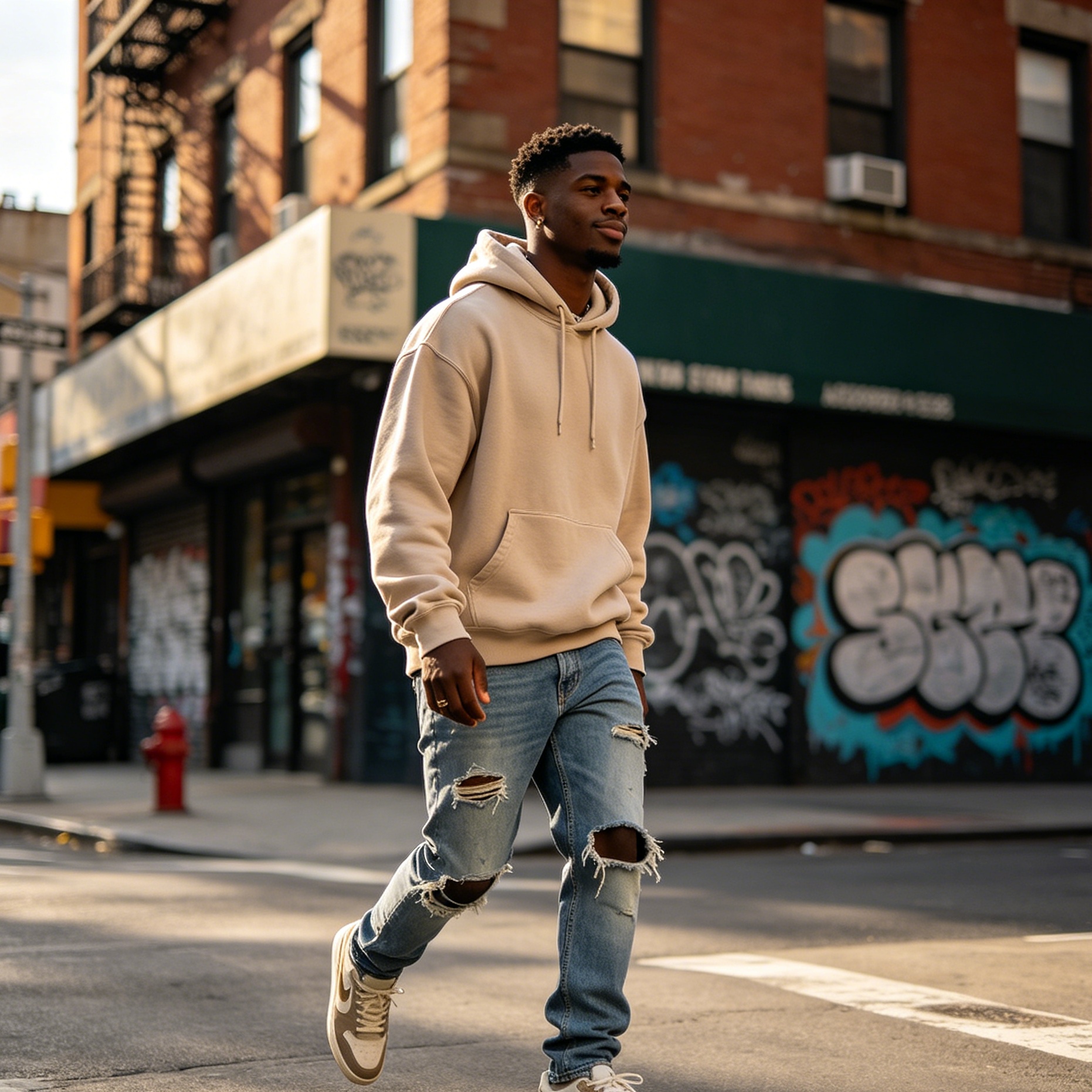
The term "six seven" (often written as 6 7 or 67) is a viral internet meme and nonsensical slang term that achieved massive popularity between late 2024 and mid-2026. Primarily categorized as "brain rot" humor, it lacks a definitive logical meaning. Instead, its value lies in its absurdity, repetitive nature, and its function as a disruptive social signal among younger generations, particularly Generation Alpha.
At its core, hearing someone shout "six seven" or seeing them perform a specific seesaw-like hand gesture is a reference to a fragmented piece of internet culture that began in the underground rap scene and exploded into professional sports, mainstream media, and even international politics.
The Quick Answer to the Six Seven Mystery
If you are looking for a dictionary definition, there isn't one. "Six seven" does not translate to a specific action, feeling, or object in the traditional sense. It is an interjection used to fill silence, respond to questions nonsensically, or intentionally disrupt a formal environment like a classroom. It is often used as a playful way to show that one is "online" and familiar with current TikTok and Instagram Reel trends.
Where Did Six Seven Originate
The journey of the 6 7 meme is a textbook example of how modern digital culture cross-pollinates different industries—moving from music to sports and finally to general social chaos.
The Musical Catalyst: Skrilla and Doot Doot
The linguistic origin of the phrase traces back to a drill rap song titled "Doot Doot (6 7)" by the Philadelphia-based artist Skrilla. Released in late 2024, the track features a heavy, rhythmic beat where the rapper repeats the numbers "six-seven" as a hook. While fans and linguists have speculated on the meaning within the context of the song—some suggesting it refers to 67th Street in Philadelphia or Chicago, others pointing to police codes—Skrilla himself has maintained that he never intended to give it a fixed meaning.
The repetitive, rhythmic delivery of "six-seven" made the audio snippet perfect for short-form video content. It provided a "drop" that social media creators could use to sync visuals, which is exactly how the meme began its ascent.
The NBA Connection and LaMelo Ball
The transition from a rap song to a viral meme happened largely within the "sports edit" community on TikTok. Creators began pairing Skrilla’s "six seven" audio with highlight reels of professional basketball players.
The meme found its perfect avatar in LaMelo Ball, a star player for the Charlotte Hornets. Ball is famously listed at 6 feet 7 inches tall. The coincidence between the song’s lyrics and his physical stature led to a flood of "6'7" edits. These videos typically showed Ball performing impressive plays, with the screen flashing or distorting exactly when the lyrics "six seven" played. This association cemented the numbers as a "vibe" rather than just a measurement.
Who Is the 67 Kid and What Is the Gesture
While the song and basketball edits provided the foundation, the meme reached its final, most recognizable form through a young boy named Maverick Trevillian, now widely known as the "67 Kid."
In March 2025, a video posted by YouTuber Cam Wilder featured Maverick shouting "six seven" at a basketball game. What made the clip iconic wasn't just the shouting, but the accompanying physical movement. Maverick held his arms out with palms facing upward and moved them up and down alternately, resembling a set of scales or a seesaw.
This gesture became the definitive physical component of the meme. Social media users began mimicking the "6 7 gesture" in various contexts:
- The "So-So" Interpretation: Some users adapted the gesture to mean something is mediocre or "fifty-fifty."
- The Random Outburst: Most commonly, the gesture is performed with no context at all, simply as a reaction to hearing the numbers six or seven.
- The SCP-067 Kid: A bizarre subculture of "analog horror" edits emerged later in 2025, where Maverick’s image was distorted into a paranormal entity, satirizing the SCP Foundation's collaborative fiction.
The Cultural Impact of the 6 7 Phenomenon
The scale of the 6 7 meme is best measured by how far it traveled outside the confines of teen social media. By 2025, it had become a global phenomenon that touched almost every aspect of public life.
Classroom Disruptions and School Bans
For educators, "six seven" became a significant challenge. Students discovered that they could derail a lesson simply by waiting for a teacher to mention the number 6, 7, or 67. The moment the number was uttered, the entire class would erupt in shouts of "Six seven!" accompanied by the seesaw hand gesture.
This behavior is a hallmark of "brain rot" slang—humor that is intentionally annoying to those who don't understand it. Several school districts reportedly banned the phrase and the gesture to maintain order, which, in typical internet fashion, only made the meme more popular among students as a form of mild rebellion.
Celebrity and Brand Adoption
As with any viral trend, major brands and celebrities eventually joined in to stay relevant with younger audiences.
- Gaming: On October 27, 2025, Clash Royale released a "67" emote to celebrate reaching 6.7 million followers. Shortly after, Overwatch 2 integrated a similar gesture into its game animations.
- Television: The long-running animated series South Park dedicated an episode in its 28th season to the meme, depicting the children of the town becoming "brainwashed" by the repetitive nature of the 6 7 trend.
- Celebrity Endorsement: Even those who didn't understand the meme participated. Shaquille O'Neal appeared in a viral video performing the gesture, openly admitting he had no idea what it meant but found the energy infectious.
Unexpected Political and Religious Appearances
Perhaps the most surprising aspect of the 6 7 meme was its appearance in the highest echelons of power.
- The British Prime Minister: In late 2025, Keir Starmer was filmed accidentally joining in the gesture while visiting a school. A student pointed out that they were on pages 6 and 7 of a book, and Starmer mimicked the movement without realizing it was a banned gesture at that specific institution.
- The US Congress: References to "6 7" were made during legislative sessions by representatives looking to connect with younger constituents or joking about specific district numbers.
- The Vatican: In mid-2026, Pope Leo XIV was seen performing the hand gesture during a meeting with young pilgrims. The moment went viral as a sign of the Pope's attempt to show "closeness" to the youth, even if the gesture itself remained nonsensical.
Why Do People Call It Brain Rot
To understand why "six seven" is so popular, one must understand the "Brain Rot" ecosystem. This is a genre of internet culture defined by:
- Low Context: The humor doesn't rely on a setup or a punchline. It relies on the recognition of a shared, meaningless reference.
- Repetition: The more a phrase is repeated, the funnier it becomes to those "in the know," and the more frustrating it becomes to outsiders.
- High Velocity: These memes evolve rapidly. One week it is a rap song; the next, it is a basketball edit; the week after, it is a paranormal horror story.
"Six seven" sits alongside other terms like "Skibidi," "Rizz," and "Sigma" in the vocabulary of Gen Alpha. It represents a shift in humor from narrative-based jokes to purely aesthetic and rhythmic social cues.
Variations and Related Slang
The 6 7 meme has spawned several "sequels" and variations as users try to replicate its success or satirize it.
The 41 Meme
Similar to 6 7, the "41" meme involves shouting the number forty-one. It originated from a different rap track but followed the exact same trajectory: a repetitive hook in a song used as a disruption tool in schools and social media edits.
Six-Sendy
A mashup term that combines "six seven" with "sendy" (slang for going all out or being enthusiastic). Shouting "six-sendy" is seen as an evolved version of the original meme, combining two different viral trends into one.
Six-One and Satire
TikTok creators who found the 6 7 trend exhausting began creating "6-1" videos. These were designed to satirize the original meme by intentionally getting the numbers wrong or performing the gesture in a mocking, overly dramatic way.
Frequently Asked Questions
Is six seven a bad word?
No, "six seven" is not inherently offensive or a "bad word." It is a neutral set of numbers. However, its usage is often associated with being disruptive in classrooms or annoying in social settings. It is considered "brain rot," which some parents and teachers view as a sign of declining digital media quality, but it does not contain profanity or hate speech.
What is the hand gesture for 6 7?
The gesture involves holding both hands in front of you, palms facing up. You then move one hand up while the other moves down, alternating them rhythmically like a balance scale. This is meant to mimic the movement made by Maverick Trevillian in the original viral video.
Does 6 7 mean fifty-fifty or so-so?
While some people use the gesture to imply that something is "okay" or "mediocre" (balanced in the middle), most users do not attribute any specific meaning to it. It is primarily used as a random response to seeing the numbers 6 and 7 in sequence.
Why do teachers hate the 6 7 meme?
Teachers find it frustrating because it is used to interrupt lessons. Because the numbers 6 and 7 appear frequently in math, history, and science, students have constant "triggers" to shout the phrase, making it difficult to maintain a focused learning environment.
Summary of the Six Seven Phenomenon
The "six seven" meme is a fascinating look into the mechanics of modern viral culture. What started as a few lines in a Philadelphia drill song became a global shorthand for a specific type of absurdist humor. Whether it is being used by an NBA star, a kid at a basketball game, or the Pope, the meme thrives on its lack of logic and its ability to create a sense of shared identity among those who spend their time in the fast-moving world of short-form video.
While "six seven" will eventually be replaced by the next viral number or phrase, its peak in 2025-2026 marks a significant moment in the evolution of Gen Alpha slang and the "brain rot" genre. For now, if you hear someone shouting it, just know they aren't talking about math—they are participating in one of the biggest digital inside jokes of the decade.
-
Topic: SIX SEVEN | English meaning - Cambridge Dictionaryhttps://dictionary.cambridge.org/dictionary/english/six-seven
-
Topic: 67 | Slang | Dictionary.comhttps://www.dictionary.com/culture/slang/67
-
Topic: 6 7 Meaning Explained: Powerful Insights You Need to Know Nowhttps://www.azdictionary.com/6-7-meaning-explained-powerful-insights-you-need-to-know-now/