Home
What Does Opp Mean in Slang and Why Is It Everywhere Online

In the rapidly evolving landscape of digital communication, few terms have migrated from niche subcultures to mainstream dominance as quickly as "opp." If you have spent more than five minutes scrolling through TikTok comments, watching Instagram Reels, or listening to modern hip-hop, you have undoubtedly encountered this three-letter word. It is sharp, punchy, and carries a weight of conflict that traditional words like "enemy" or "rival" seem to lack in a modern context.
At its most fundamental level, "opp" is a slang abbreviation for "opposition" or "opponent." It refers to a person or a group that is perceived as an adversary, a competitor, or someone actively working against your interests. However, the true meaning of the word extends far beyond a simple dictionary definition. It represents a specific cultural mindset, a history rooted in the streets of Chicago, and a psychological phenomenon that defines how Gen Z and Gen Alpha navigate social dynamics online.
The Linguistic Foundation of Opp
To understand the current usage of "opp," one must first look at its linguistic construction. In African American Vernacular English (AAVE), shortening complex words to their most percussive syllables is a common trait that lends the language its distinct rhythm. "Opposition" is a four-syllable word that feels formal and bureaucratic. By trimming it down to "opp," the speaker creates a term that functions like a verbal jab—quick, direct, and impossible to misunderstand.
While "opp" functions as a singular noun (e.g., "That guy is an opp"), it is perhaps most frequently encountered in its plural form: "opps." This pluralization often refers to a collective force of adversaries. In the context of street culture or competitive environments, "the opps" are not just individuals; they are a looming presence of resistance.
The Grammatical Versatility of the Term
The term has also evolved to function as an adjective. Phrases like "opp behavior" or "opp energy" are used to describe actions that seem sneaky, untrustworthy, or indicative of a rival's mindset. If a friend suddenly starts liking the social media posts of your ex-partner, a digital native might label that as "opp behavior." This versatility is a major reason why the slang has maintained its longevity; it can be adapted to almost any situation involving social friction.
Cultural Origins: The Chicago Drill Scene
The mainstreaming of "opp" is inextricably linked to the rise of Drill music, a subgenre of hip-hop that emerged from Chicago's South Side in the early 2010s. For the young artists coming out of this scene, "opp" was not a playful term; it was a matter of survival.
In the high-stakes environment of Chicago's gang rivalries, the "opposition" referred to rival gang members. Artists like Chief Keef, Lil Reese, and Young Chop popularized the term through hit songs that reached millions of listeners worldwide. Keef’s breakout success brought the terminology of the South Side to suburban bedrooms and international airwaves. When he rapped about "watching out for the opps," he was describing a reality of constant vigilance.
As Drill music spread to London (creating UK Drill) and New York (Brooklyn Drill), the term "opp" traveled with it. Each regional scene added its own flavor to the word, but the core meaning remained the same: the "other side." This musical pipeline acted as a catalyst, transforming a hyper-local term into a global linguistic staple.
The Great Migration: How Social Media Diluted the Meaning
Slang terms often undergo a process known as "semantic bleaching." This occurs when a word with a very specific, intense meaning is adopted by the wider public and loses its original severity. "Opp" is a textbook example of this phenomenon.
In the early 2010s, calling someone an "opp" implied a physical threat or a deep-seated criminal rivalry. Today, on platforms like TikTok and Instagram, the term has been "memed" into something much lighter.
Opps in the Domestic Sphere
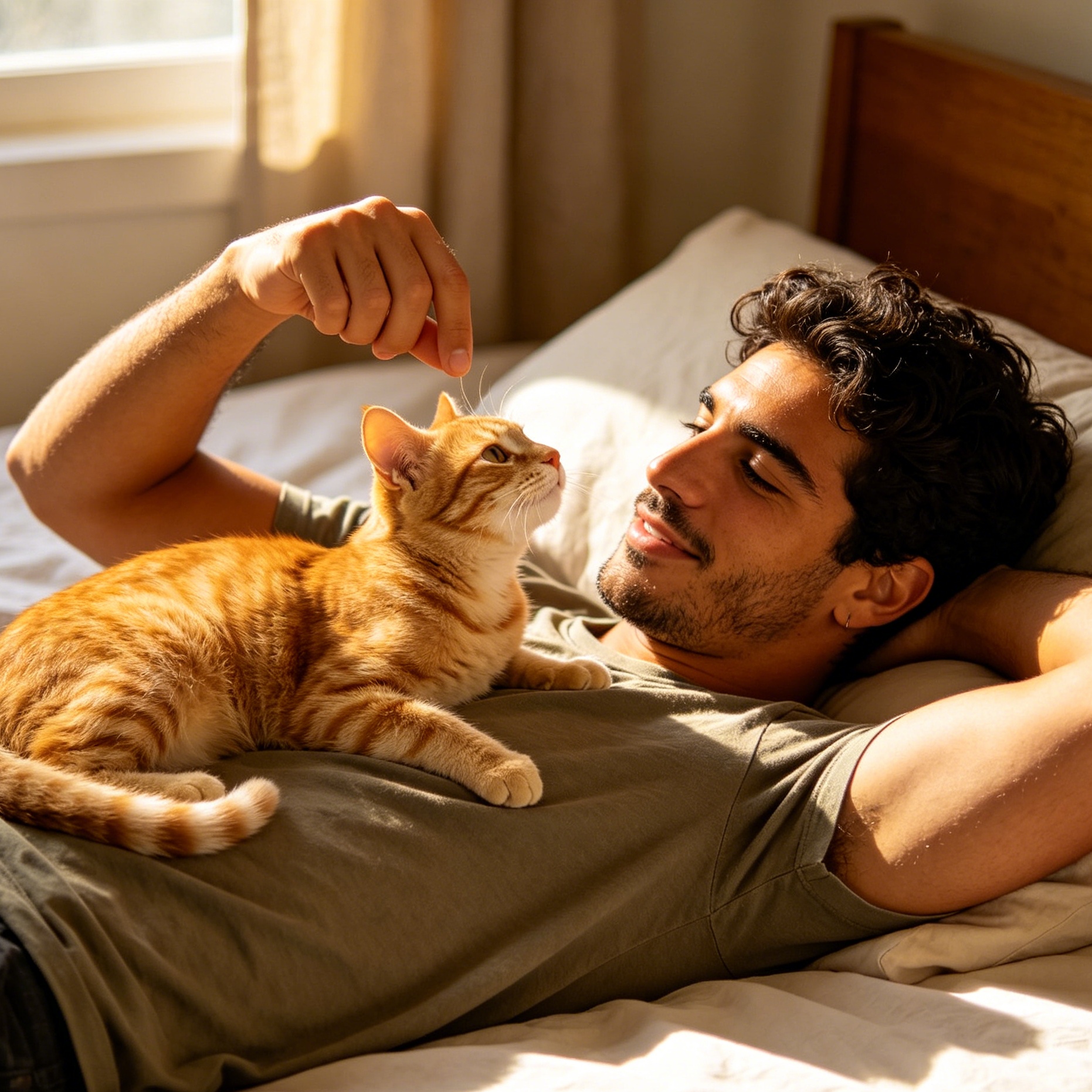
It is now common to see videos where a teenager calls their younger sibling an "opp" because they ate the last slice of pizza. A cat that knocks a glass of water off a table is labeled an "opp." This shift from "deadly rival" to "mildly annoying person" represents the democratization of slang. By using the term in a domestic or humorous context, users are engaging in a form of cultural play, adopting the "tough" persona of the word's origins to describe mundane frustrations.
The "Sneaky" Context
On social media, "opp" is frequently used to describe someone who is "moving sneaky." This refers to people who pretend to be friends but are secretly rooting for your failure. In this context, the "opp" is a hater. Digital culture places a high premium on authenticity and loyalty; therefore, identifying an "opp" is a way of signaling that you are aware of the hidden agendas around you.
Distinguishing Opp from O.P.P.
For those who grew up in the 1990s, the word "opp" might trigger a completely different mental association. In 1991, the rap group Naughty by Nature released a chart-topping single titled "O.P.P."
In the context of that era, "O.P.P." was an acronym that stood for "Other People's Privates" (with the last word occasionally substituted for "Property" or "Pussy"). The song was a playful, upbeat anthem about infidelity and "stepping out" on one's partner.
It is crucial to note that the modern slang "opp" has absolutely no connection to the 1990s acronym. The modern version is a shortening of "opponent," whereas the 90s version was a coded reference to cheating. Understanding this distinction is vital for avoiding awkward misunderstandings across different age groups. If a 50-year-old and a 15-year-old are discussing "opps," they are likely talking about two entirely different concepts.
Opps in Gaming Culture
The world of competitive gaming has also embraced the term. In multiplayer titles like Call of Duty, Valorant, or League of Legends, players often refer to the enemy team as "the opps."
This usage is particularly interesting because it brings the word back to its literal root of "opponent." In a high-stakes match, the opposing team is actively trying to prevent you from winning, making the label factually accurate. However, the slang carries more "flavor" than simply saying "the other team." Calling the enemy "opps" adds a layer of street-inspired bravado to the gaming experience, making the digital conflict feel more personal and intense.
Why Is the Term So Popular?
Why did "opp" stick when so many other slang terms fade away after a few months? There are several psychological and linguistic factors at play.
1. The Economy of Language
Digital communication favors brevity. "Opp" is three letters and one syllable. It fits perfectly into a tweet, a caption, or a rapidly moving chat box. It delivers maximum emotional impact with minimum effort.
2. The Power of Tribalism
Humans have an innate desire to categorize the world into "us" vs. "them." The term "opp" provides a clear, undeniable label for "them." By identifying who the opps are, you are implicitly defining who your tribe is. It creates a sense of solidarity among those who share the same adversaries.
3. The "Cool" Factor
Because the word originated in a high-intensity, high-stakes musical subculture, it carries an aura of "cool" and "edge." When people use the term—even if they are just talking about a difficult math teacher—they are borrowing some of the grit associated with the word’s origins.
4. Semantic Flexibility
As mentioned earlier, the word can be serious or funny. It can be a noun or an adjective. This flexibility allows it to survive in various social ecosystems, from the most dangerous streets to the most lighthearted corners of the internet.
The Regional Nuances of "Opp" Usage
While the core meaning remains consistent, the way "opp" is used can vary depending on where you are in the world.
- United States (Chicago/NYC): The usage remains closest to its original Drill roots. It often implies a genuine, often dangerous, rivalry.
- United Kingdom: In the UK Drill scene, "opp" is ubiquitous. It is often used in conjunction with other London-specific slang. The "opps" in London might be described as "wet" (weak) or "moving mad."
- Australia: The Australian Drill scene (pioneered by groups like OneFour) has adopted the term, integrating it into a unique mix of AAVE, Pasifika, and Australian slang.
- Global Social Media: On the "international" internet, the word is almost entirely semantically bleached, used by people from all walks of life to describe anyone from a political rival to a slow barista.
Examples of "Opp" in Modern Conversation
To truly master the usage of the term, one must see it in action. Here are several ways the word is integrated into modern speech and text:
Example 1: The Serious/Competitive Context
- Person A: "I heard the other team is bringing in a professional ringer for the tournament."
- Person B: "Typical opp behavior. They know they can't beat us fairly."
Example 2: The Casual/Humorous Context
- Person A: "My mom just told me I have to do the dishes even though it’s my brother’s turn."
- Person B: "Your mom is an opp for that one, honestly."
Example 3: The Social Media Caption
- Caption: "Staying focused on my goals. Can't let the opps see me stumble."
- Interpretation: In this case, "the opps" refers to anyone who might be jealous or waiting for the person to fail.
Example 4: The Gaming Chat
- Player: "Watch the mid-lane, the opps are rotating to the objective."
The Psychology of "Opp Behavior"
Identifying "opp behavior" has become a central part of online discourse. But what does it actually mean to act like an opp? Generally, it involves a perceived breach of social contract.
In the digital age, loyalty is often measured by social media interactions. If a person "likes" a post that insults you, or if they follow someone you are in a public feud with, they are exhibiting "opp behavior." This has led to a culture of hyper-vigilance. People use apps to see who unfollowed them or who is viewing their stories without interacting.
The "opp" label serves as a defense mechanism. By labeling someone as an adversary, you mentally prepare yourself for their negativity. It is a way of saying, "I see you, and I am not bothered by you because I have already categorized you as an enemy."
How to Respond When Someone Calls You an "Opp"
Being called an "opp" can be jarring, especially if you aren't familiar with the slang. The appropriate response depends entirely on the tone.
- If it's playful: If a friend calls you an "opp" because you disagree with their take on a movie, the best response is to lean into the joke. You might say, "Guilty as charged. I'm the biggest opp in the building."
- If it's serious: If someone uses the term in a confrontational way, it usually means they perceive you as a threat or a rival. In these cases, it’s often best to de-escalate or disengage, as the word carries a history of conflict.
- If it's in a professional setting: If a colleague uses this word (which is rare but happens in creative industries), it is usually a sign that the workplace culture is very informal. However, it is generally advised to avoid using this term in professional emails or meetings, as it can be perceived as immature or overly aggressive.
The Future of the Term
As with all slang, there is a risk that "opp" will eventually become "cringe." When a word moves from the streets to the mainstream, and finally to corporate marketing, it often loses its appeal to the youth who created it.
We are currently in the "peak saturation" phase of "opp." It is being used by toddlers and grandmothers alike. While it might eventually be replaced by a new term for "enemy," the impact it has had on the English language is significant. It has provided a short, sharp way to describe the complexities of modern rivalry in a way that "opponent" never could.
Conclusion
The term "opp" is more than just three letters; it is a cultural artifact that tells the story of how music, street culture, and social media intersect. It began as a serious term for survival in Chicago and has transformed into a versatile label for any form of opposition in the digital age. Whether you are dealing with a literal adversary in a game or just a sibling who stole your hoodie, the word "opp" provides a punchy way to draw a line in the sand.
As long as there is competition, rivalry, and "sneaky" behavior, there will be a need for a word to describe the opposition. For now, that word is "opp."
Frequently Asked Questions (FAQ)
1. Is "opp" a bad word?
No, "opp" is not a swear word or a slur. However, it is a confrontational term. Calling someone an "opp" is an acknowledgement of conflict, so while it isn't "bad" in a linguistic sense, it is certainly not "friendly."
2. What is the difference between an "opp" and a "hater"?
While they overlap, there is a subtle difference. A "hater" is usually someone who is jealous of you and talks behind your back. An "opp" is more active—they are an "opponent" who might actually be working against you or competing for the same goal.
3. Can I use "opp" in a business meeting?
It is highly recommended to avoid using "opp" in formal or professional settings. Use "competitor," "rival," or "adversary" instead. Using "opp" in a business context may make you seem unprofessional or out of touch with corporate etiquette.
4. Why do people say "the opps are watching"?
This phrase refers to the idea that your enemies or rivals are secretly monitoring your social media to see if you fail or to steal your ideas. It is a common sentiment in both hip-hop lyrics and general social media captions.
5. Does "opp" mean the police?
In some specific urban contexts, "the opps" can refer to the police, as they are the ultimate "opposition" to street activity. However, in general internet slang, it almost always refers to personal rivals or enemies rather than law enforcement.
6. Is it "op" or "opp"?
The standard spelling in slang is "opp" (with two P's). While "op" is occasionally seen, "opp" is the more common and culturally accepted version, reflecting its origin as a shortening of "opponent."
7. What does "oppy" mean?
"Oppy" is the adjective form of "opp." If a situation feels "oppy," it means it feels dangerous, tense, or full of rivals. It is a way of describing the vibe of a specific place or interaction.
8. How did "opp" get so popular on TikTok?
TikTok's algorithm favors short, high-energy sounds. Many Drill music snippets containing the word "opp" became viral sounds, leading users to adopt the terminology in their own videos, regardless of whether they were actually involved in the music scene.
-
Topic: opp - Wiktionary, the free dictionaryhttps://en.wiktionary.org/wiki/opp
-
Topic: OPP Meaning in Slang: Why This Tiny Word Usually Means Somebody Is Not on Your Sidehttps://slangwise.com/opp-meaning-in-slang-why-this-tiny-word-usually-means-somebody-is-not-on-your-side/
-
Topic: What Does Opp Mean in Text? Real Meaning, Examples & Social Media Use2026https://itzmean.com/opp-mean-2/