Home
How to Listen to Live Radio Anywhere and Find the Best Stations
To listen to live radio immediately, TuneIn and iHeartRadio stand out as top choices for digital streaming, offering access to over 100,000 global and local stations. For those seeking high-fidelity audio without algorithms, Radio Paradise is widely considered one of the strongest options. If you prefer hardware, modern Software Defined Radio (SDR) dongles now provide a technical experience that many enthusiasts find superior to vintage receivers.
Radio remains a cornerstone of global communication in 2026, bridging the gap between traditional broadcast and digital innovation. Whether you are looking for breaking news on Bloomberg Radio, local FM favorites, or the technical challenge of long-distance DXing, the medium has evolved to meet every need. While digital apps offer sheer quantity, true quality often comes from a combination of human curation and technical optimization.
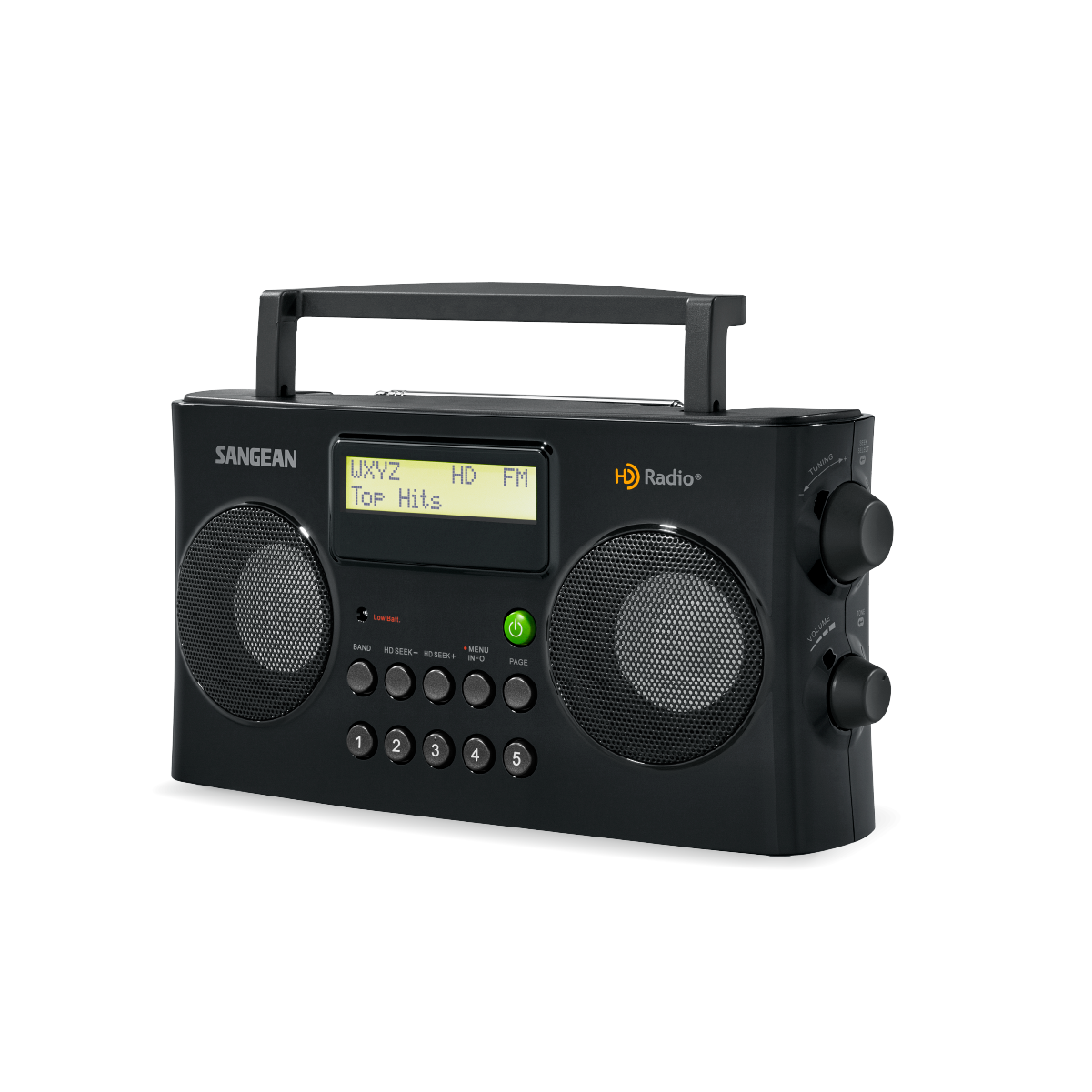
Image source: Sangean
Where Can You Listen to Live Radio for Free Right Now?
The digital landscape for radio is vast, but a few platforms have established themselves as leaders in accessibility and variety. Most listeners today alternate between massive aggregators and dedicated local broadcast apps depending on their specific needs.
Top-Rated Aggregators for Accessing Thousands of Global Stations
If your goal is to explore the world through sound, aggregators are your primary tool. TuneIn is frequently cited as a leading platform, hosting over 100,000 stations ranging from local news to international music. It excels at providing a "Global vs. Local" search functionality that allows you to listen to a small community station in rural France just as easily as a major network in New York.
Alternatively, Radio.net offers a streamlined experience with more than 60,000 stations. While it has a slightly smaller library than TuneIn, many users find its interface more intuitive for discovering niche genres. Both platforms offer free tiers supported by ads, making them excellent starting points for any listener.
Why iHeartRadio Is the Standard for Local US Broadcasts
For listeners in the United States, iHeartRadio is a dominant force. Owned by iHeartMedia, which operates over 860 broadcast stations across 160 markets, the app provides the most direct link to local FM and AM broadcasts. Unlike general aggregators, iHeartRadio integrates live broadcasts with "Artist Radio" stations and a massive podcast library, creating a unified audio ecosystem.
The platform's strength lies in its local reach. If you want to hear the specific morning show from your hometown while traveling, iHeartRadio is often the most reliable way to find it. It also serves as a major hub for live sports and event coverage, leveraging its massive physical infrastructure to provide stable, high-quality streams.
How to Access Radio Through Apple Music and Smart Speakers
Integration has become the key to radio's survival in the smart home era. Apple Music Radio has moved beyond just "Beats 1" (now Apple Music 1) to include thousands of local broadcast stations powered by partnerships with TuneIn and iHeart. Users can simply ask Siri to "Play WNYC" or "Play BBC Radio 4," and the system will pull the live stream automatically.
Similarly, Amazon Alexa and Google Home devices have made radio more accessible than ever. By enabling specific "skills" or simply using voice commands, you can turn a smart speaker into a global receiver. This hands-free approach has revitalized radio listening in kitchens and home offices, where users want background audio without navigating a complex app interface.
Why Human-Curated Radio Beats Algorithmic Playlists
In an era dominated by AI-generated "Daily Mixes," a growing segment of the audience is returning to human-curated radio. The reason is simple: algorithms are excellent at finding songs similar to what you already like, but humans are better at creating a narrative flow and introducing "serendipitous discovery."
The Radio Paradise Model for High Fidelity Audio
Among audiophiles, Radio Paradise is widely regarded as a top-tier option. Unlike commercial stations that rely on heavy rotation, Radio Paradise is listener-supported and curated by a small team of real people. They focus on eclectic mixes that blend rock, indie, classical, and electronic music into a seamless stream.
Furthermore, Radio Paradise sets a high standard for audio quality. While many streaming stations compress their audio to 128kbps, Radio Paradise offers lossless FLAC streams. This commitment to fidelity makes it a favorite for those with high-end home audio systems who find standard algorithmic playlists lacking in depth and dynamic range.
Finding Niche Electronic Music on DI.FM
For fans of electronic music, DI.FM (Digitally Imported) offers a level of specialization that few competitors match. Instead of a single "EDM" channel, DI.FM provides over 90 human-curated channels dedicated to specific sub-genres like Progressive House, Trance, Techno, and Chillout. Each channel is managed by a curator who understands the nuances of that specific scene, ensuring that the music remains fresh and relevant.
Using Bloomberg Radio for Global Business Intelligence
Radio isn't just for music; it is a vital tool for professionals. Bloomberg Radio stands out as a premier resource for global business news. With a network of 2,700 journalists and analysts in more than 120 countries, it provides 24-hour coverage of financial markets. For those who need to stay informed on market shifts during a commute, Bloomberg's human-led reporting offers context that a news aggregator simply cannot provide.
While AI can predict your next favorite song based on data, human curators understand the "mood" of a transition. A human knows that a high-energy rock song might be jarring after a somber acoustic track, whereas an algorithm might only see that you like both genres.
| Platform | Best For | Curation Type | Audio Quality |
|---|---|---|---|
| TuneIn | Global Variety | Aggregated Broadcast | Standard (128kbps) |
| Radio Paradise | Audiophiles | Human-Curated | High (Lossless FLAC) |
| iHeartRadio | Local US FM/AM | Broadcast + AI | Variable |
| DI.FM | Electronic Music | Genre Specialists | High (Premium) |
How to Use Software Defined Radio to Boost Your Listening Experience
For the technical hobbyist, the most significant advancement in recent years is the rise of Software Defined Radio (SDR). This technology shifts the heavy lifting of radio reception from hardware components to software running on a computer or smartphone.
Why a Modern SDR Outperforms Expensive Vintage Hardware
In the 1990s, a high-end tabletop receiver could cost upwards of $2,000. Today, a $200 SDR dongle, when paired with a capable computer, can often outperform those benchmark receivers. By using digital signal processing (DSP), an SDR can filter out noise and isolate weak signals with a precision that analog components struggle to achieve.
According to experts at SWLing.com , the "waterfall" display of an SDR—a visual representation of the radio spectrum—is a game-changer. It allows you to see every signal across a wide range of frequencies (from 3 Hz to 300 GHz) simultaneously. Instead of "tuning in the dark," you can visually identify a signal and click on it to listen.
Tips for Pulling Weak Signals Out of the Static
Listening to distant stations, known as DXing, is a skill that combines technical knowledge with patience. Renowned DXer Vlado (N3CZ) suggests that while technology helps, the most important filter is often between the listener's ears. Training yourself to hear Morse code or faint speech through static is part of the hobby's appeal.
- Reduce Local Interference: Turn off LED lights, switch-mode power supplies, and plasma TVs, which all generate significant radio frequency interference (RFI).
- Use Manual Gain Control: Automatic gain can often "bury" a weak signal under the noise floor. Manually adjusting the gain allows you to find the sweet spot for reception.
- Experiment with Bandwidth: Narrowing your filter bandwidth can cut out adjacent station interference, though it may reduce the audio fidelity of the signal you are trying to hear.
Highly Effective Antennas for Home and Field Listening
The antenna is the most critical part of any radio setup. For home use, a "long wire" antenna—simply a long piece of copper wire strung as high as possible—is a cost-effective and highly efficient option for shortwave and AM reception. For those interested in "field listening," portable magnetic loop antennas are a popular choice because they are compact and can be tuned to reject local noise.
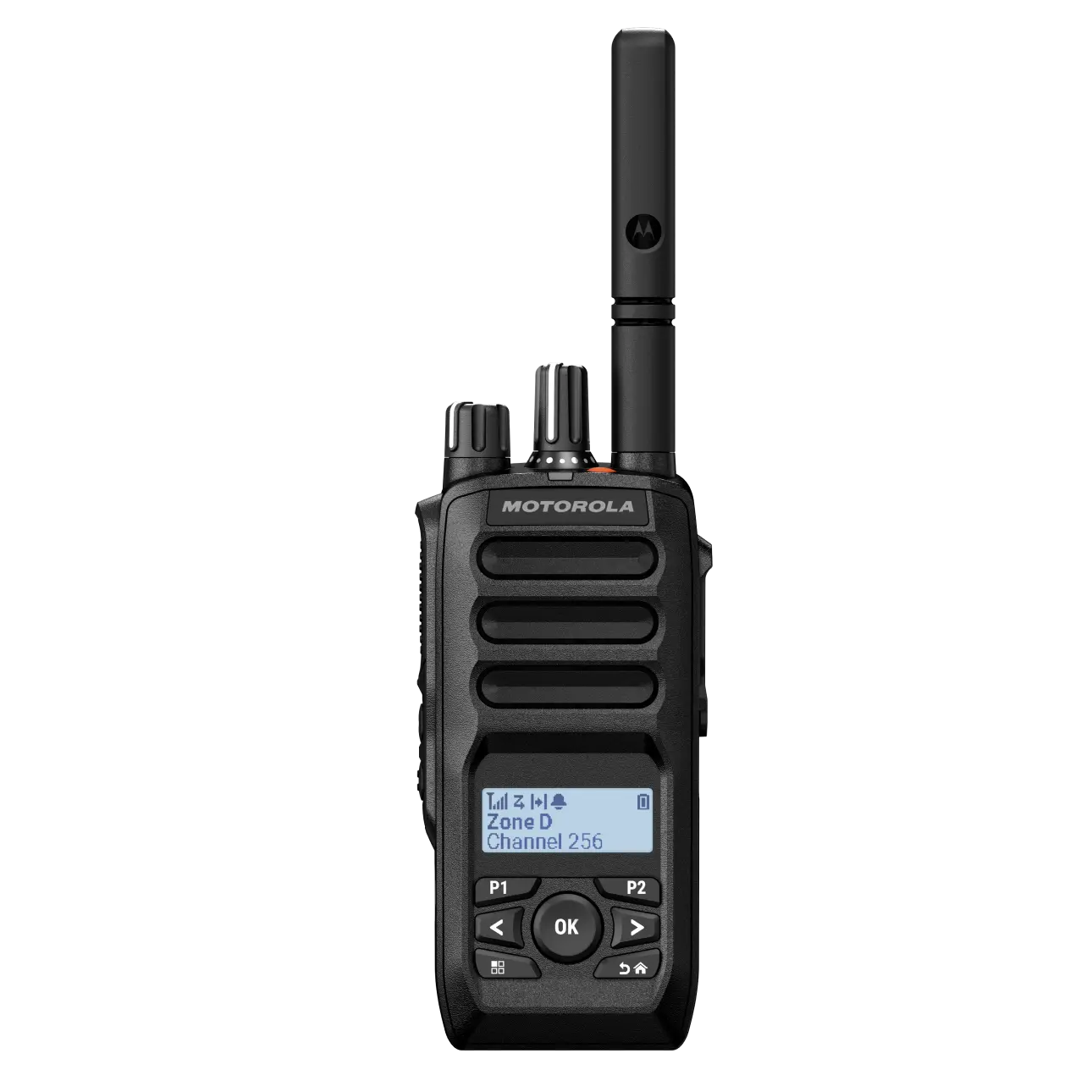
Image source: Motorola Solutions
Why Does My Car Radio Keep Turning Off?
One of the most common frustrations for radio users involves hardware failure in vehicles. If your car radio shuts down unexpectedly, it is rarely a "ghost in the machine" and usually a symptom of a specific electrical issue.
How to Fix Common Power Draw and Harness Issues
A frequent complaint found in enthusiast forums, such as those for the 2012 Nissan Frontier , involves aftermarket head units turning off when the volume is increased. This is typically not a fault of the radio itself but a thermal protection shutdown . When the volume increases, the internal amplifier draws more current. If the wiring harness is thin or the ground connection is weak, the voltage drops, causing the unit to reboot to protect its circuitry.
To fix this, ensure that your ground wire is connected to a clean, unpainted metal surface on the vehicle's chassis rather than just relying on the factory harness ground. Additionally, check the "constant" (yellow) and "ignition" (red) wires. If these are swapped or loose, the radio may lose its memory or power cycle during engine load changes.
Troubleshooting Radio Problems During Cold Starts
If your radio fails only during cold mornings, the culprit is likely your vehicle's battery. Modern head units are sensitive to voltage drops. When you turn the key, the starter motor draws massive current; if the battery is aging, the voltage may drop below 9V, causing the radio to reset. Testing your battery's "cranking amps" is the first step before assuming the radio is broken.
- The Fuse: Check both the car's fuse box and the fuse on the back of the radio unit.
- The Ground: Ensure the black wire has a solid, metal-to-metal connection.
- The Antenna Connection: A loose antenna plug can sometimes cause a short that triggers a reset.
- The Harness: Look for crimped or frayed wires behind the dashboard.
- Battery Voltage: Ensure your battery is providing a steady 12.6V when the engine is off.
Frequently Asked Questions
Can I listen to FM radio on my phone without internet?
Yes, but it depends on your hardware. Many smartphones have a built-in FM chip, but manufacturers often disable it. If your phone supports it (common in many Android models), you will need to plug in wired headphones to act as an antenna. Apps like NextRadio can then access the chip directly. If your phone lacks the chip, you must use data-based streaming apps like TuneIn or iHeartRadio.
Which free radio app is recommended for sports?
TuneIn is widely considered one of the top choices for sports because it carries a massive array of local sports talk stations and has partnerships with major leagues for play-by-play coverage. iHeartRadio is also a strong contender, especially for local US college sports and NFL affiliates. For global sports like soccer or cricket, TuneIn’s international reach is exceptionally strong.
How does satellite radio differ from internet radio?
Satellite radio (like SiriusXM) receives signals directly from satellites, meaning it works in remote areas where there is no cell service or FM signal. It requires a subscription and a specific receiver. Internet radio uses your cellular or Wi-Fi data to stream stations. While internet radio offers more variety and is often free, it is dependent on having a stable internet connection.
What is an emergency weather radio and why do I need one?
An emergency radio is designed to receive NOAA Weather Radio broadcasts. These stations provide 24/7 weather information directly from the National Weather Service. Many emergency models feature hand-crank or solar power, ensuring they work during a total power outage. In a disaster, when cell towers are down, these radios are often the only reliable source of life-saving information.
Is shortwave radio still relevant in 2026?
While many major broadcasters (like the BBC) have reduced their shortwave presence in favor of the internet, shortwave remains vital for international broadcasting to regions with censorship or poor infrastructure. For hobbyists, shortwave is the "frontier" of radio, allowing for the reception of signals from thousands of miles away using nothing but the atmosphere and a wire antenna.
The Bottom Line
Radio in 2026 is a diverse and resilient medium that offers something for everyone, from the casual music listener to the hardcore technical enthusiast. To make the most of your experience, keep these key takeaways in mind:
- For maximum variety: Use TuneIn to access over 100,000 global stations.
- For local US broadcasts: Stick with iHeartRadio for the most reliable FM/AM streams.
- For the best audio quality: Choose Radio Paradise for human-curated, lossless audio.
- For technical hobbyists: Invest in a Software Defined Radio (SDR) dongle to explore the spectrum visually.
- For hardware issues: Always check your wiring harness and ground connection before replacing a car radio.
- For business news: Rely on Bloomberg Radio for expert-led global financial intelligence.
Start by downloading a top-rated aggregator app today to rediscover the unique world of live, human-led broadcasting.
All trademarks, copyrighted content, and quoted material referenced in this article belong to their respective owners. Brief excerpts are used under fair use (17 U.S.C. § 107) for purposes of commentary, criticism, and informational reporting. This article is not affiliated with or endorsed by iHeartMedia, TuneIn, or Bloomberg.