Home
How to Generate Compelling Hardboiled and Noir Story Ideas That Subvert Tropes
To generate effective story ideas, first distinguish between Hardboiled (a moral detective fighting the dark) and Noir (a doomed protagonist swallowed by the dark). Use the "Noir Engine" —the interplay of Money, Sex, and Violence—to escalate your plot. By placing a vulnerable hero in a "Behavioral Sink" (a setting where morality decays), you create the friction necessary for a compelling narrative.
Understanding the Core Differences Between Hardboiled and Noir Fiction
While often used interchangeably, hardboiled and noir fiction represent two distinct philosophical approaches to crime. Understanding these differences is essential for any writer looking to craft a story that resonates with genre expectations while offering something fresh. According to Otto Penzler , the primary distinction lies in the moral arc of the protagonist.
The Moral Center vs. The Doomed Protagonist
In hardboiled fiction, the protagonist—often a private investigator—acts as a "moral center." They may be cynical, weary, and physically battered, but they possess a private code of honor that they refuse to break. They are the light, however dim, fighting against an encroaching darkness. As Penzler notes, the hardboiled detective is the one who walks down "mean streets" but is not himself mean.
Noir, conversely, is about the darkness winning. The protagonist is often a "fallen" character—an ordinary person who makes a fatal mistake or a criminal who is doomed from the opening page. Author Megan Abbott describes noir characters as those who know they are making the wrong choice but proceed to do it anyway, driven by desperation, lust, or greed.
The Concept of the Behavioral Sink in Urban Settings
Setting plays a vital role in these genres. Hardboiled stories traditionally favor dense urban environments, which serve as a "behavioral sink." This term, borrowed from sociology, describes how high population density can lead to the breakdown of social norms and the flourishing of amoral cruelty. The city isn't just a backdrop; it is an active antagonist that tests the hero's resolve at every turn. In these settings, the lack of privacy and the constant pressure of the crowd create a sense of "urban gothic" where danger lurks in every shadow.
| Feature | Hardboiled Fiction | Noir Fiction |
|---|---|---|
| Protagonist | Detective with a private code. | Doomed "Ordinary Joe" or criminal. |
| Moral Arc | Fighting to maintain integrity. | Swallowed by their own choices. |
| Goal | To solve a mystery or find justice. | To survive, escape, or gain wealth/love. |
| Ending | Order is partially restored. | Protagonist is worse off or dead. |
| Tone | Cynical but resilient. | Fatalistic and paranoid. |
Using the Noir Engine of Money Sex and Violence to Drive Your Plot
If you find yourself stuck for a plot hook, look no further than the "Unholy Trinity" of noir: Money, Sex, and Violence. These three elements form the Noir Engine , a narrative tool that drives character decisions and escalates tension. In most noir stories, one of these elements serves as the initial motivator, which then inevitably leads to the others.
The Escalation Workflow from Motivation to Violence
A common mistake in crime fiction is introducing violence too early without a clear emotional or financial stake. A more effective approach is to follow an escalation workflow:
- The Hook (Money or Sex): The character is offered a way out of their current life. This could be a high-paying job that seems slightly "off" or a romantic entanglement with someone who promises excitement.
- The Complication: The character realizes the cost of their choice. The money is stolen, or the lover has a dangerous past.
- The Pivot (Violence): To protect the money or the relationship, the character must commit an act of violence. This act is the "point of no return."
By shifting the motivator—for example, a character starts a job for Money , stays because of Sex , and eventually resorts to Violence to survive—you create a natural, high-stakes progression that feels earned rather than forced.
Balancing Internal and External Pressures
The Noir Engine works best when it applies pressure both internally and externally. External pressure might be a debt collector or a corrupt cop. Internal pressure is the character's own guilt, obsession, or fear. A top-tier noir story uses the external threat to force the character to confront their internal flaws. When the protagonist's "private code" is tested by the need for survival, the resulting friction provides the most compelling drama in the genre.
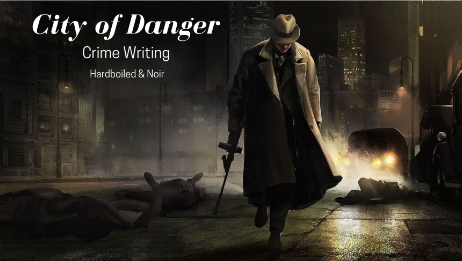
Image source: Killzoneblog.com
Fifty Hardboiled and Noir Story Ideas Categorized by Sub Genre
To help jumpstart your writing process, here are 50 story hooks categorized by common sub-genres. These ideas are designed to be expanded upon, allowing you to inject your own unique voice and perspective.
Classic Private Investigator and Hardboiled Detective Hooks
- A PI is hired to protect a witness who is actually an assassin sent to kill the PI.
- A detective finds a list of names in a victim's pocket; their own name is at the top.
- An insurance investigator discovers a pattern of "accidental" deaths that all lead back to a local charity.
- A disgraced cop works as a mall security guard and stumbles upon a high-level political conspiracy.
- A detective is hired to find a stolen heirloom that doesn't actually exist, serving as a distraction for a larger heist.
Modern Tech Noir and Cyberpunk Mystery Concepts
In "Fantastic Noir," it is crucial to keep speculative elements grounded. As May Haddad suggests, the rules of the world must be rigid so they don't drown out the mystery. The technology should create new ways for people to be cruel to one another.
- A hacker is blackmailed into "ghosting" a public figure's digital footprint to cover up a hit-and-run.
- A detective uses a prototype device to view the last 60 seconds of a victim's life, only to see their own face.
- A corporate spy discovers that their company is replacing striking workers with bio-engineered clones.
- A private eye specializes in "deepfake" forensics, finding the truth in a world of total visual deception.
- A drone operator witnesses a murder through a high-rise window and becomes the next target.
Gritty Rural Noir and Small Town Crime Prompts
Rural noir shifts the "behavioral sink" from the city to isolated, decaying environments. The lack of resources and the claustrophobia of small-town secrets provide a different kind of pressure.
- A game warden finds a poaching ring that involves the town's wealthiest and most "respected" family.
- A mail carrier accidentally opens a package containing evidence of a local land-grab conspiracy.
- A retired boxer living in a cabin is forced back into the ring to pay for his daughter's medical bills.
- A small-town librarian discovers a series of coded messages hidden in the margins of donated books.
- A farmer finds a plane crash on his property and realizes the cargo is worth more than his entire farm.
Domestic Noir and The Ordinary Joe Gone Wrong
- A teacher discovers one of their students is being used as a courier for a local gang.
- A stay-at-home dad realizes his "perfect" neighborhood is actually a front for a witness protection program.
- A couple finds a hidden room in their new house containing photos of them taken years before they moved in.
- A nurse realizes a patient's "accidental" overdose was actually a calculated murder by a family member.
- A dry cleaner finds a cryptic note in the pocket of a regular customer's suit that implies a kidnapping.
How to Write a Hardboiled Hero Who Possesses a Glass Jaw
One of the most common complaints in writing forums is the "invulnerable hero"—a protagonist who takes incredible amounts of physical punishment without any lasting consequences. In a truly gritty story, the hero must have a "Glass Jaw." This doesn't mean they are weak; it means they are vulnerable. Every punch they take should have a cost, both physically and emotionally.
Addressing the Cost of the Private Code
A hardboiled hero is defined by their private code of honor. However, following that code should never be easy. It should cost them something significant in every act of the story. If the hero refuses a bribe, they should struggle to pay their rent. If they protect a witness, they should lose a friend or a lover in the process. The "toughness" of the hero is measured by their willingness to pay this price, not by their ability to avoid it.
Mental vs. Physical Toughness in Crime Fiction
Toughness in noir and hardboiled fiction is often more about mental resilience than physical strength. The "loner" trait isn't a lack of emotion; it is a defensive necessity. The protagonist isolates themselves because they know that anyone they get close to becomes a target. Writing a hero who is weary, cynical, and emotionally scarred makes their eventual triumph (however small) feel much more impactful to the reader.
Why Your Noir Story Needs a Meaningful Ending Instead of a Happy One
In noir, a traditional "happy ending" often feels unearned and out of place. Instead, aim for a meaningful ending—one that leaves the protagonist changed, usually for the worse. This is often referred to as a "pyrrhic victory," where the cost of winning is so high that it feels like a loss.
The Knowledge Penalty and Pyrrhic Victories
A hallmark of the noir ending is the "Knowledge Penalty." By the end of the story, the protagonist should know something they "would rather not know." Even if the antagonist is caught or killed, the protagonist's worldview has been shattered. They might realize that the person they were trying to protect was just as corrupt as the villain, or that the system they serve is fundamentally broken. This leaves the reader with a sense of lingering unease, which is a top-tier goal for the genre.
Subverting the Femme Fatale Archetype
Modern noir has moved beyond the "damsel in distress" or the "black widow" archetypes. To create a meaningful ending, give your female characters agency and complex motivations. A modern *femme fatale* shouldn't just be a plot device to lead the hero astray; she should have her own goals, her own "Noir Engine" driving her, and her own price to pay. Subverting these tropes makes the final resolution feel more grounded in reality and less like a genre cliché.
How to Modernize Noir Tropes for a Contemporary Audience
While the classic imagery of trench coats and Venetian blinds is iconic, modernizing these tropes can help your story stand out. You can maintain the *chiaroscuro* (high-contrast) effect of classic noir using modern elements.
Digital Isolation and Modern Chiaroscuro
Instead of a lonely phone booth, use the isolation of social media and digital echo chambers. The "shadows" in a modern story can be the dark corners of the internet or the anonymity of encrypted messaging apps. For lighting, replace the flickering streetlamp with the cold, blue glow of a smartphone screen or the harsh neon of a 24-hour convenience store. These elements create the same sense of alienation and dread but feel more relevant to a 2026 audience.
Incorporating Diverse Voices in Modern Noir
Modern masters of the genre, such as Val McDermid, have shown that the "tough guy" perspective is not the only way to tell a gritty crime story. By incorporating diverse voices and perspectives, you can explore new types of systemic corruption and social pressures. A story about an immigrant navigating an indifferent legal system or a gig-economy worker caught in a corporate conspiracy offers fresh ground for noir themes while staying true to the genre's roots of social critique.
Key Takeaways for Writing Gritty Crime Fiction
- Define your genre early by deciding if your hero is a moral center (Hardboiled) or a doomed soul (Noir).
- Use the Noir Engine of Money, Sex, and Violence to create a logical and high-stakes plot escalation.
- Embrace the Behavioral Sink by choosing a setting that actively pressures your characters' morality.
- Give your hero a Glass Jaw to ensure their physical and emotional vulnerabilities feel real to the reader.
- Apply the Knowledge Penalty at the end of your story to ensure the victory feels earned and appropriately dark.
- Modernize your visuals by using digital isolation and contemporary lighting to evoke classic noir moods.
Start your next draft by identifying the one thing your protagonist is most afraid to lose, then use the Noir Engine to take it away from them.
Frequently Asked Questions
1. Can a noir story ever have a happy ending?
While rare, a noir story can have a "happy" ending, but it is almost always a pyrrhic victory. The protagonist might survive or achieve their goal, but the emotional or physical cost is so high that the victory feels hollow. In true noir, the protagonist is usually left knowing a dark truth that prevents them from ever returning to their previous life. A purely happy ending often risks undermining the fatalistic tone that defines the genre.
2. What exactly is the "Noir Engine"?
The Noir Engine is a plotting framework based on the "Unholy Trinity" of Money, Sex, and Violence. It suggests that these three elements are the primary drivers of all noir narratives. A story typically begins with a desire for money or sex, which then forces the character into a situation where violence becomes inevitable. By rotating these motivators, a writer can maintain constant tension and ensure that every character action has a high-stakes consequence.
3. How do I write noir if my protagonist isn't a detective?
Noir is actually more effective when the protagonist is an "Ordinary Joe" rather than a professional investigator. Focus on a character who is in a desperate situation—financial ruin, a failing marriage, or a dead-end job. When they are presented with a "too good to be true" opportunity to change their life, their lack of professional training makes their mistakes more believable and their eventual downfall more tragic. The focus shifts from "solving the crime" to "surviving the consequences."
4. What are the most common noir clichés I should avoid?
Avoid over-relying on 1940s tropes like constant rain, trench coats, fedoras, and internal monologues that sound like parodies. Modern noir should feel contemporary. Also, be wary of the "helpless" femme fatale; modern readers prefer female characters with their own agency and complex motivations. Finally, avoid the "invincible hero" who can take a beating and walk it off in the next scene—physical and emotional consequences are vital for the genre's grit.
5. What is Rural Noir and how does it differ from Urban Noir?
Rural Noir (sometimes called "Country Noir") applies the themes of noir—corruption, desperation, and fatalism—to isolated, rural settings. While Urban Noir focuses on the "behavioral sink" of high-density cities, Rural Noir focuses on the claustrophobia of small towns where everyone knows your business but no one will help you. The isolation, lack of law enforcement resources, and decaying local economies provide a unique backdrop for gritty crime stories.