Home
How to Create High Quality NBA Edits That Go Viral on Social Media
Adobe After Effects (Pro)
CapCut (Mobile/Speed)
The 12-Frame Rule for beat-syncing and high-energy transitions.
Use 4K logoless clips from raw footage archives.
High-contrast "Cold" aesthetic with desaturated tones.
Why High Quality NBA Edits Are Dominating Social Media Feeds
In the current digital landscape, basketball highlights have evolved far beyond simple broadcast replays. The rise of the "Cold" aesthetic—characterized by desaturated colors, aggressive high-contrast lighting, and rhythmic synchronization—has transformed how fans consume sports content. These edits are not just about the play itself; they are about the mood, the player's persona, and the visceral energy of the game.
Social media platforms like TikTok and Instagram Reels have fostered a bimodal intent among users. On one hand, millions of fans seek out these high-energy clips for entertainment. On the other, a growing community of creators is leveraging these edits to build massive personal brands. According to niche edit accounts on Instagram, focusing on original, high-bitrate content can lead to follower counts exceeding 95,000, proving that quality significantly outweighs quantity in the sports editing space.
The engagement factor is the primary driver of this trend. Unlike standard highlights, professional edits use beat-syncing and visual storytelling to maintain viewer retention. By aligning a crossover or a dunk with a specific snare hit or bass drop, editors create a hypnotic loop that encourages multiple rewatches. This technical precision is what separates a viral sensation from a standard upload.
Where to Find High Quality Logoless NBA Clips for Your Edits
One of the most significant hurdles for new editors is the presence of broadcast watermarks, scoreboards, and tickers. These elements ruin the cinematic feel of an edit, making it look like a screen recording rather than a professional production. To achieve a top-tier look, you must source "logoless" footage.
The premier resource for this type of content is the TWIZZYLOGOLESS playlist and similar raw footage archives on YouTube. These creators provide 4K, high-bitrate clips that have been stripped of broadcast graphics. Having access to raw footage of superstars like Ja Morant or Shai Gilgeous-Alexander allows you to apply your own color grading and overlays without visual interference.
If you cannot find specific logoless clips, alternative sourcing involves using high-quality screen recording tools on official streams. However, this often results in bitrate loss. For the best results, many professional editors use AI-powered tools to remove watermarks or focus on "rare" footage—clips from practice sessions or pre-game warmups—that naturally lack broadcast overlays. The demand for these high-bitrate assets is consistently high among the editing community.
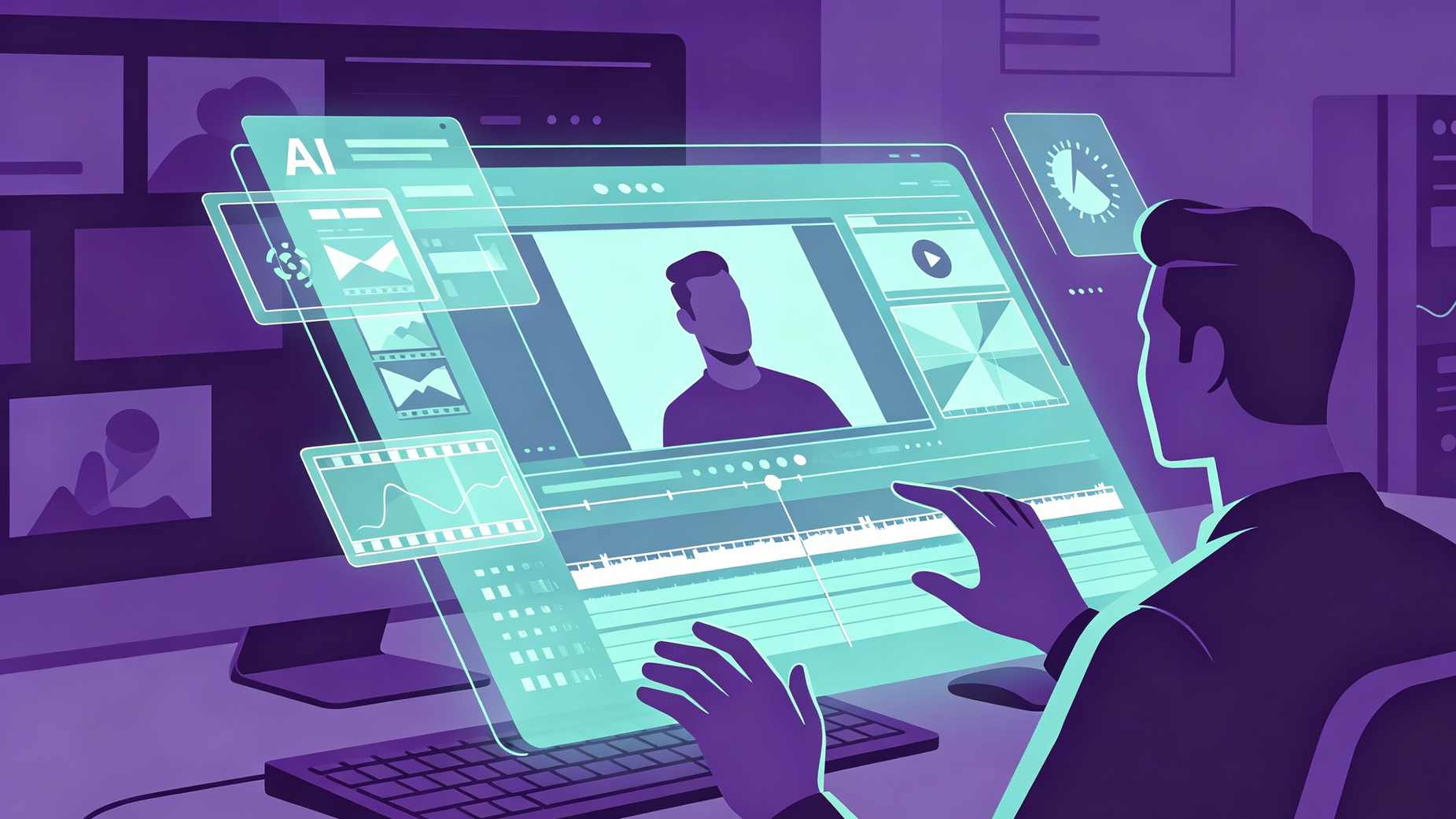
Which Video Editing Software Should You Use for Basketball Highlights?
Choosing the right tool depends entirely on your goals. Are you looking to participate in a quick trend, or do you want to create a masterpiece that stands out for its technical complexity? The industry is currently split between mobile-first accessibility and desktop-based professional power.
CapCut for Speed and Template Accessibility
CapCut has become a top-rated choice for beginners and mobile creators. Its strength lies in its AI-driven features, such as automatic scene detection and a vast library of user-generated templates. For example, CapCut's NBA templates allow users to plug in their own clips to pre-made transitions for players like Kyrie Irving or Tyrese Haliburton. It is an excellent option for those who need to produce content quickly to stay relevant with daily NBA news.
Adobe After Effects for Professional Artistry
For creators aiming for virality through technical excellence, Adobe After Effects remains the professional standard. It offers capabilities that mobile apps simply cannot match, such as complex motion tracking, custom VFX, and precise opacity keyframing. While the learning curve is steep, the visual flexibility it provides is a significant advancement over basic editors. Most "Cold" edits that go viral are produced in After Effects due to its superior handling of plugins like Twixtor and Sapphire.
| Software | Learning Curve | Render Speed | Visual Flexibility | Best For |
|---|---|---|---|---|
| CapCut | Low | Fast | Moderate | TikTok Trends / Beginners |
| After Effects | High | Slow | Extensive | Viral Artistry / Pro Edits |
| Premiere Pro | Moderate | Moderate | High | Long-form Documentaries |
How to Master the 12-Frame Rule for Perfect Beat Syncing
The "12-Frame Rule" is a technical benchmark used by high-tier sports editors to create a high-velocity feel. In a standard 24fps or 30fps project, trimming your clips to approximately 10-12 frames ensures that the visual pace matches the energy of modern hip-hop or phonk tracks. This rapid-fire delivery keeps the viewer's brain engaged, as the scene changes just as they have processed the previous action.
To implement this effectively, you must align your transitions with the "snare" or "kick" of the audio track. By marking the beats on your timeline first, you can snap your 12-frame clips directly to those markers. This creates a seamless marriage between sight and sound. Furthermore, adding a "Flash" effect—using 2-3 frame opacity keyframes that jump from 0% to 100%—at the start of a new clip can simulate the look of courtside camera flashes, adding to the professional atmosphere.
Advanced After Effects Techniques for the Cold Aesthetic
To truly differentiate your content, you need to move beyond simple cuts. Advanced techniques like ball-centric tracking and match cutting are what define the top tier of NBA editing.
Ball Centric Tracking for Focused Action
A technique widely regarded as one of the most hypnotic in sports editing is ball-centric tracking. Instead of the camera following the player, the editor uses the "Stabilize" effect in After Effects to center the anchor point on the basketball itself. This makes the entire court and all the players move *around* the ball. It is particularly effective for highlights involving complex dribbling or long-range shots, as it keeps the viewer's eye locked on the focal point of the play.
Match Cutting and Stop Motion Transitions
Match cutting involves finding two different clips with similar framing or poses—such as LeBron James and Michael Jordan both mid-dunk—and transitioning between them at the peak of the action. This creates a seamless bridge between eras or players. When combined with stop-motion techniques, where you rapidly cut between static frames of similar motions, you can create a "glitch" effect that feels both modern and artistic.
The Twixtor Workflow for Smooth Slow Motion
Standard slow motion often looks choppy if the original footage wasn't shot at a high frame rate. The Twixtor plugin for After Effects uses frame interpolation to create "super slow motion" by generating new frames between the existing ones. To avoid the common "ghosting" or "warping" artifacts, editors must carefully mask the player and adjust the tracking sensitivity. As noted by HoopXtra's technical tutorials , mastering this workflow is essential for that buttery-smooth cinematic look.
How to Color Grade Your Footage for a Professional Look
Color grading is the final step in achieving the "Cold" aesthetic. Raw broadcast footage is often saturated with warm yellows and greens from the arena lighting, which can look amateurish in an edit. Professional editors use a two-step process to fix this.
Apply a conversion LUT (Look-Up Table) to normalize the footage. If you are using high-end LOG footage, this step restores natural contrast and saturation levels.
Lower the shadows and increase mid-tone contrast. The key is to desaturate non-essential colors like greens and yellows while slightly boosting the blues and cyans. This creates a moody, high-stakes atmosphere.
Add a subtle layer of film grain and a sharpening filter to make the 4K details pop, especially on mobile screens where textures can sometimes appear soft.
How to Fix Common NBA 2K Modding and Texture Crashes
A significant portion of the NBA editing community focuses on the gaming side, specifically NBA 2K. Modders often create custom jerseys, shoes, and court textures to use in their cinematic edits. However, this often leads to the dreaded "Crash to Desktop" (CTD) error.
The technical cause is usually related to how .dds texture files are exported from Photoshop. According to the NLSC Forum technical threads , the fix involves exporting textures using BC3 Linear compression . Crucially, for many player accessories like shoes, you must export the file with NO Alpha layer unless transparency is specifically required. Including an unnecessary alpha layer in the `global.iff` file can cause engine conflicts that lead to immediate crashes when the player model loads.
What Hardware Do You Need for High Bitrate 4K Sports Editing?
Editing 4K 60fps footage is taxing on hardware. Many creators hit the "10-hour render wall," where a simple 30-second edit takes half a day to process. To avoid this, you need to optimize both your gear and your software settings.
- RAM Allocation: After Effects requires a minimum of 32GB of RAM for smooth 4K previews. Ensure you allocate at least 80% of your RAM to the application in the preferences menu.
- Disk Cache: Use a dedicated NVMe SSD for your Disk Cache. This allows After Effects to store temporary preview files on a fast drive, significantly reducing lag during the editing process.
- Original Footage Gear: For those filming their own court-side footage, cameras like the Sony FX3 or FX30 are highly recommended for their high dynamic range. Tools like the XbotGo Falcon can also assist solo creators by providing AI auto-tracking for live games.
How to Avoid Copyright Strikes and Protect Your Channel
Navigating copyright is a major concern for sports editors. While the NBA is generally more lenient than other leagues regarding fan-made content, you must still be careful. The concept of "Fair Use" (17 U.S.C. § 107) protects transformative work—meaning you have added significant commentary, criticism, or artistic value to the original footage.
To minimize risk, always give credit to the original broadcasters and consider using royalty-free "Type Beats" or licensed music. Platforms like TikTok are often more lenient with music usage due to their licensing agreements, but YouTube remains strict. A common best practice is to keep clips short and heavily edited, which makes them less likely to be flagged by automated Content ID systems.
Key Takeaways for Viral NBA Edits
- Source 4K logoless footage to ensure a clean, cinematic base for your work.
- Choose software based on your goals : CapCut for speed, After Effects for technical artistry.
- Apply the 12-frame rule to maintain a high-energy rhythm that matches your audio.
- Use ball-centric tracking to create a unique, hypnotic focal point for your highlights.
- Master the "Cold" color grade by desaturating warm tones and crushing blacks for a moody aesthetic.
- Fix 2K mod crashes by using BC3 Linear compression without alpha layers for textures.
Start your next project by sourcing three high-quality logoless clips and practicing the 12-frame sync on a single beat drop.
Frequently Asked Questions