Home
How to Choose and Style Top-Rated Women's Nike Cortez Shoes for Your Feet
The revamped Women's Nike Cortez addresses long-standing complaints regarding a narrow fit by introducing a wider toe box and firmer, warp-resistant materials. While the shoe traditionally runs small, the 2026 version offers a more accommodating silhouette. For most users, ordering a half-size up remains the standard recommendation, especially in leather models. The dual-density EVA foam provides excellent lifestyle cushioning, though it lacks the technical arch support required for high-intensity fitness walking.
What Makes the Revamped Women's Nike Cortez Different?
In recent years, Nike has implemented a series of technical updates to the Cortez silhouette to better align with modern foot shapes and durability expectations. According to official product specifications , the "revamped" version is engineered to solve the warping issues that historically plagued the leather upper.
The Warp-Free Engineering for Long-Term Wear
One of the most significant advancements in the 2026 iteration is the introduction of reengineered leather. In previous versions, users often noted that the leather would scuff easily or lose its structural integrity after just a few months of wear. The new version utilizes a denser grain and reinforced backing that resists the "sagging" effect. This ensures the shoe maintains its iconic 1972 profile even after extensive daily use.
A Wider Toe Box for Modern Comfort
Historically, the Cortez was known for its extremely narrow, track-inspired fit. Recognizing that modern consumers prioritize comfort, Nike designers expanded the toe area. This change is particularly noticeable in the forefoot, where the shoe now allows for natural toe splay. While it remains a sleek silhouette, the "pinch" often felt by those with average-width feet has been notably mitigated.
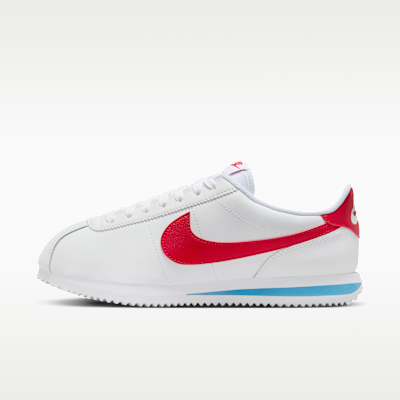
Image source: Nike
Firmer Side Panels and Shape Retention
To complement the wider toe box, the side panels have been reinforced with firmer internal structures. This prevents the shoe from widening excessively over time—a common issue with older textile versions. The result is a shoe that feels secure during lateral movements, making it a top choice for city commuting where frequent stops and turns are common.
How Do Women's Nike Cortez Shoes Actually Fit?
Sizing remains the most discussed topic among Cortez enthusiasts. There is a documented discrepancy between Nike’s official sizing advice and real-world user experiences. While Nike often suggests the shoe runs small, the 2026 revamp has introduced new nuances to how the shoe feels on-foot.
Addressing the Sizing Conflict
According to user reviews on Nike.com , approximately 39% of buyers still find the shoe to run small. However, a growing segment of users who have purchased the revamped version report that it feels "roomy" or "true to size" compared to the older, narrower models. This conflict suggests that your choice should depend heavily on which version of the shoe you are purchasing—the "Classic" or the "New/Revamped" model.
Material-Specific Fit and Flexibility
The material you choose significantly impacts the fit. Textile (TXT) versions offer immediate flexibility and a softer feel around the midfoot, often requiring no break-in period. In contrast, the Leather and Suede versions are considerably stiffer out of the box. If you prefer a snug, locked-in feel, the leather is excellent; if you want immediate comfort for wide feet, the textile version is a strong contender.
| Comparison Model | Fit Relative to Cortez | Recommendation |
|---|---|---|
| Nike Air Force 1 | AF1 is much wider and larger | Go 0.5 to 1 full size up for Cortez |
| Nike Dunk Low | Dunk has a flatter, wider base | Go 0.5 size up for Cortez |
| Adidas Samba | Samba is narrower in the arch | Order the same size or 0.5 up |
Should You Order a Half Size Up?
For the majority of women, the answer remains yes . Despite the wider toe box in the 2026 version, the Cortez still features a tapered front that can feel restrictive during long walks. If you plan on wearing medium-to-thick socks, the extra 0.5 size provides the necessary volume to prevent friction.
Recommendations for Narrow vs Wide Feet
- Narrow Feet: You may find the revamped version fits perfectly at your true size. The firmer side panels will keep your foot secure without the need to size up.
- Wide Feet: Even with the revamp, the Cortez is not a "wide" shoe. A half-size increase is mandatory, and some users with very wide feet may find the silhouette unsuitable regardless of size.
How to Stop Your Heel from Slipping in the Cortez
A common user complaint is the "Heel Gap Mystery." Because the toe box is tapered, users often size up to accommodate their forefoot, only to find that their heel slips out of the low-cut collar. This is a frequent issue identified in recent consumer feedback .
The Runner's Loop Lacing Technique
To fix heel slippage without sacrificing toe room, use the "Runner's Loop" (also known as a heel lock).
- Lace your shoes normally until you reach the second-to-last eyelet.
- Instead of crossing over, go straight up into the final eyelet on the same side, creating a small loop.
- Cross the laces over and thread them through the loops on the opposite sides.
- Pull tight and tie as usual. This pulls the collar of the shoe snugly around your ankle.
Leather vs. Textile vs. Suede — Which Material Should You Buy?
Choosing the right material is about balancing aesthetics with lifestyle needs. The Cortez is available in three primary finishes, each offering a distinct experience.
| Feature | Leather | Textile (TXT) | Suede |
|---|---|---|---|
| Durability | High | Medium | Medium-Low |
| Breathability | Low | High | Medium |
| Cleaning Ease | Easy (Wipe clean) | Difficult (Stains easily) | Specialist (Requires brush) |
| Best For | Daily Wear / Rain | Summer / Commuting | Fashion / Dry Weather |
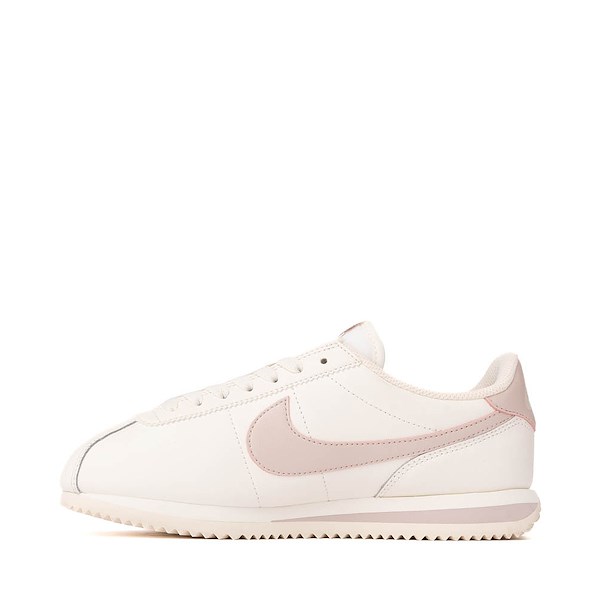
Image source: Journeys
Can You Actually Walk 10,000 Steps in Nike Cortez?
The "10k step goal" has become a popular metric on social media, with many influencers showcasing the Cortez as a walking shoe. However, technical analysis suggests a more nuanced reality. While the shoe is exceptionally comfortable for casual use, it is not a performance walking shoe.
Midsole Anatomy and the Foam Wedge
The Cortez features a dual-density EVA foam midsole. The most recognizable feature is the colored wedge insert in the heel. This design was a significant advancement in 1972, providing targeted cushioning for heel-strikers. In 2026, this foam remains soft and responsive for city sidewalks, but it lacks the energy return found in modern Nike React or ZoomX foams.
The Arch Support Verdict
According to experts at Denim Exchange , the Cortez is not suitable for modern serious running or high-mileage fitness walking. The shoe has a relatively flat internal footbed with minimal arch support. If you have high arches or plantar fasciitis, you may find that 10,000 steps in the Cortez leads to foot fatigue. For these users, adding a slim orthotic insert is highly recommended.
How the Nike Cortez Compares to the Adidas Samba
The Nike Cortez and Adidas Samba are currently the two most popular retro silhouettes in women's fashion. While they share a vintage aesthetic, they offer very different underfoot experiences.
- Cushioning: The Cortez features a thick foam midsole, making it much softer than the Samba, which uses a low-profile gum rubber sole. If you prefer "squish" under your heel, the Cortez is the better choice.
- Profile: The Samba is slimmer and sits lower to the ground, offering a "terrace" or soccer-inspired look. The Cortez has a chunkier, more athletic profile rooted in track and field.
- Fit: The Samba tends to be narrower through the midfoot, while the revamped Cortez offers more room in the toe box.
Styling Your Nike Cortez for Different Occasions
The Cortez has transitioned from a performance track shoe to a versatile fashion staple. Its clean lines allow it to pair with everything from athletic wear to business casual outfits.
The "Baroque Brown" and "Cacao Wow" Aesthetic
Earth tones are currently trending, and the "Baroque Brown" colorway has become a favorite for those seeking a sophisticated, neutral look. Pair these with oversized cream-colored denim and a brown leather trench coat for a high-fashion streetwear vibe. The richness of the brown suede or leather adds a premium feel that stands out among standard white sneakers.
Sport Green and Sail Pairings
For a more traditional retro look, the Sport Green and Sail colorways evoke the 1970s heritage of the shoe. These are best styled with light-wash "mom" jeans and a simple white tee. The pop of green provides a focal point for the outfit without being overwhelming.
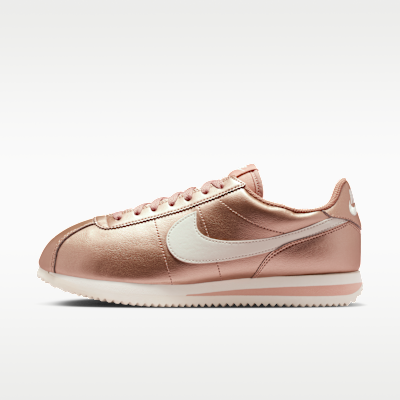
Image source: Nike
The Story Behind the Shoe from the 1972 Olympics to Today
Bill Bowerman, co-founder of Blue Ribbon Sports (which became Nike), designed a long-distance track shoe for the upcoming Olympics. It was originally named the "Aztec."
After a legal dispute with Adidas over the "Azteca" name, Bowerman renamed the shoe "Cortez." It debuted at the Munich Olympics and became the first shoe to feature the Nike Swoosh.
The shoe gained massive mainstream popularity after being featured prominently in the film Forrest Gump , cementing its status as a cultural icon.
Nike releases the reengineered version, focusing on wider lasts and warp-resistant leather to meet modern consumer demands.
How to Keep Your Cortez Looking Fresh
In sneaker culture, the "freshness" of a Cortez is often judged by the condition of its outsole. Maintaining the shoe requires specific attention to the unique herringbone pattern.
The herringbone ridges on the side of the sole are colloquially known as "teeth." As the shoe wears down, these teeth become rounded. To keep your pair looking brand new, use a soft-bristled toothbrush to remove dirt from the deep ridges of the herringbone pattern after every few wears.
Cleaning the Herringbone Sole
Because the ridges are deep, they tend to trap small pebbles and mud. Avoid using harsh chemicals that can yellow the white rubber. A simple mixture of warm water and mild dish soap is usually sufficient. For the leather upper, a specialized leather conditioner will help prevent the micro-creasing that can occur over time.
The Bottom Line
The Women's Nike Cortez remains a top-tier lifestyle sneaker that successfully bridges the gap between 1970s track heritage and modern street style. To ensure the best experience, keep these key takeaways in mind:
- Check the version: Ensure you are buying the "Revamped" model for a more comfortable, wider toe box.
- Size up: Most users benefit from ordering 0.5 size larger than their standard Nike size.
- Material matters: Choose leather for durability and easy cleaning, or textile for maximum breathability.
- Lock the heel: Use the Runner's Loop lacing technique to prevent slippage if you have narrow heels.
- Monitor the "teeth": Keep the herringbone sole clean to maintain the shoe's iconic "fresh" look.
- Lifestyle focus: Enjoy them for city walking and fashion, but switch to performance shoes for fitness goals.
Before purchasing, measure your foot in centimeters and compare it to the specific 2026 Nike size chart to find your most accurate fit.
Frequently Asked Questions
Traditionally, the Nike Cortez runs small due to its narrow, tapered track silhouette. While the 2026 revamped version features a wider toe box, the majority of retail data and user reviews still suggest ordering a half-size up from your normal sneaker size to ensure adequate room for your toes.
The Cortez offers excellent cushioning thanks to its dual-density EVA foam wedge, making it a popular choice for casual daily wear. However, it lacks significant arch support. If your job requires standing for 8+ hours, you may find that the flat footbed leads to discomfort unless you add an aftermarket supportive insole.
It is generally not recommended to machine wash Nike Cortez shoes, especially the leather and suede versions, as the water and heat can damage the adhesives and cause the materials to warp. For Textile (TXT) versions, a gentle cycle may be possible, but hand cleaning with a soft brush and mild detergent is always the safer method to preserve the shoe's lifespan.
The name was a strategic marketing move by Nike co-founder Bill Bowerman. Originally named the "Aztec," the shoe faced a legal challenge from Adidas, who had a shoe called the "Azteca." Bowerman renamed the shoe "Cortez" after Hernán Cortés, the conquistador who defeated the Aztecs, as a competitive jab at his rival.
The revamped version, introduced for the 2026 season, features a wider toe area to accommodate modern foot shapes and firmer side panels to prevent the shoe from losing its shape. The leather used in the revamped version is also engineered to be more resistant to scuffing and warping compared to the original 1972 construction.