Home
How to Choose a High-Performance Tennis Skirt for Sport and Style
Selecting a tennis skirt involves balancing technical performance with personal style. For competitive play, prioritize skirts with moisture-wicking fabrics , built-in compression liners, and dedicated ball pockets. If you seek versatility for the "Tenniscore" lifestyle, look for classic pleats and breathable polyester blends. Standard lengths range from 13 inches (athletic) to 20 inches (modest), with 14–15 inches serving as the industry average for club play.
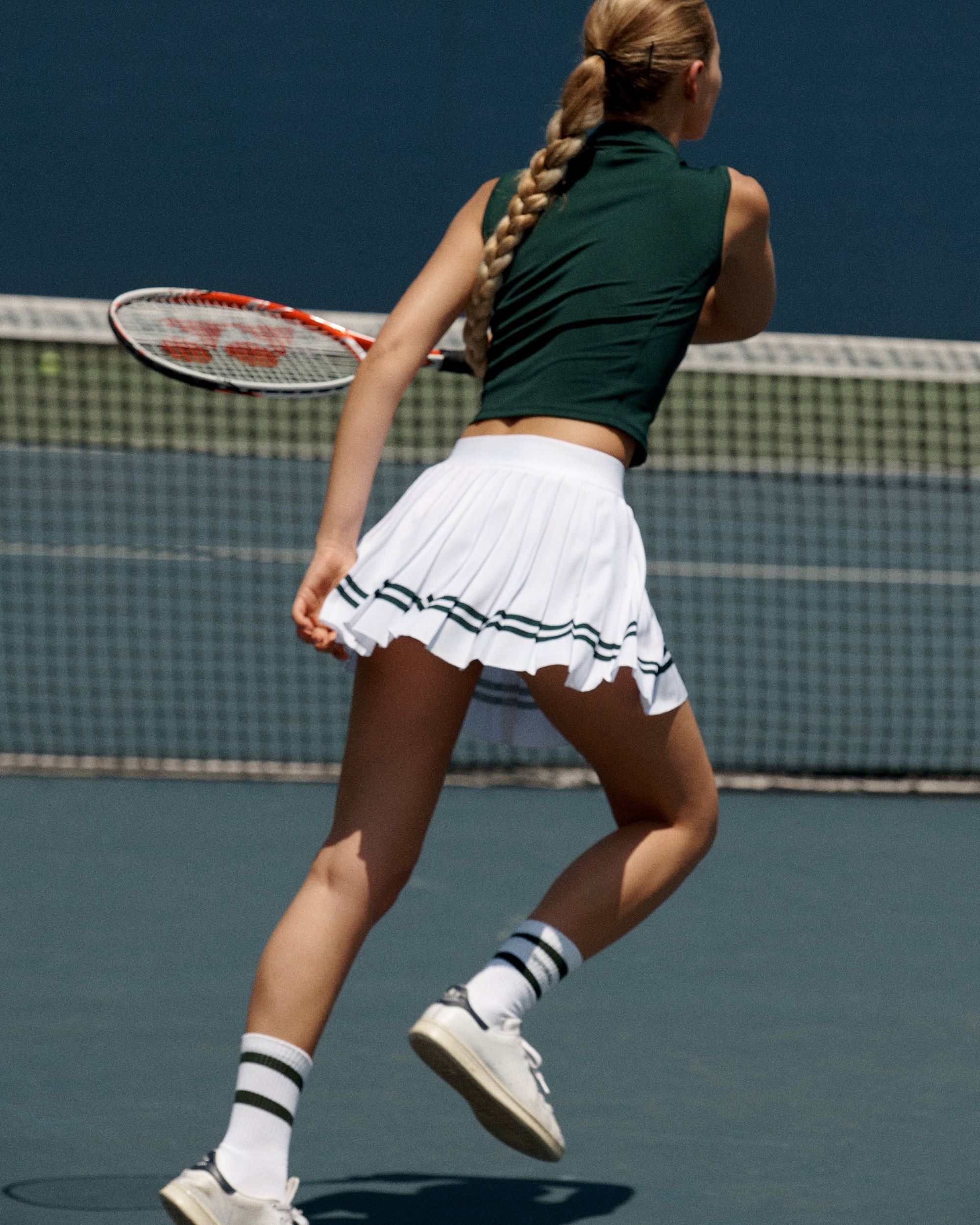
Image source: Vogue
Why the Modern Tennis Skirt Is More Than Just a Fashion Statement
The tennis skirt has undergone a significant transformation over the last century, evolving from heavy flannel garments to high-tech athletic gear. In recent years, the rise of "Tenniscore" has pushed this piece of apparel into the mainstream fashion spotlight. However, for the active player, the skirt remains a critical piece of equipment designed to facilitate rapid lateral movement and provide comfort during long rallies.
Modern designs are almost exclusively "skorts," meaning they feature a built-in liner or short. This design choice is not merely for modesty; it provides essential muscle support and a secure place to store tennis balls. According to design evolution trends noted by industry experts, the transition from strictly athletic to lifestyle wear means that today's skirts must perform under the sun while looking polished enough for a post-match brunch.
Choosing the right skirt requires an understanding of how fabric interacts with sweat and movement. A skirt that clings or restricts your stride can be a major distraction on the court. Therefore, the goal is to find a garment that offers a "barely there" feel while providing the structural integrity needed for competitive sports.
What Technical Features Should You Look for in a Performance Skirt?
When evaluating a tennis skirt, the fabric composition is the most important factor. High-performance apparel typically utilizes a blend of polyester and spandex to achieve the necessary balance of durability and flexibility. Brands like Nike have set high standards with their proprietary moisture-management systems, ensuring that sweat is pulled away from the skin to the fabric's surface for quick evaporation.
Fabric Technology and Moisture Management
Look for "four-way stretch" labels. This indicates that the fabric expands and recovers both crosswise and lengthwise, which is vital for the lunging and pivoting required in tennis. Without this flexibility, the skirt may ride up or cause chafing during intense movement.
- Moisture-Wicking
- A process where capillary action moves sweat to the outer layer of the fabric, keeping the athlete dry.
- Four-Way Stretch
- Fabric that stretches in all directions, providing a full range of motion without losing its original shape.
- Breathability
- The ability of a fabric to allow air to pass through, preventing heat buildup during long matches.
Sun Protection and Heat Dissipation
Outdoor court sports expose players to significant UV radiation. Many premier brands now incorporate UPF 50+ protection into their fabrics, which is a top-tier feature for those playing in sunny climates. Additionally, look for mesh paneling or laser-cut perforations. These zones are strategically placed to increase airflow in high-heat areas, such as the lower back or the sides of the hips.
How to Find the Right Length for Your Height and Comfort
One of the most common frustrations in the tennis community is the "modesty gap." Many modern skirts are designed with a shorter silhouette that may not feel comfortable for every player. Finding the right length is a balance between range of motion and personal coverage preferences.
Bridging the Modesty Gap for Competitive Players
Community discussions often highlight that players over 40 or those with taller frames struggle to find skirts that offer sufficient coverage. While a 13-inch skirt might be a top choice for a petite player, it can feel like a mini-skirt on someone who is 5'10". Brands like Tail Activewear are widely regarded as excellent options for those seeking longer lengths without sacrificing style.
| Skirt Length | Recommended Height | Best Use Case |
|---|---|---|
| 13" (Mini) | Under 5'4" | Maximum range of motion; petite frames. |
| 14" - 15" (Standard) | 5'4" - 5'7" | The industry standard for club and tournament play. |
| 16" - 17" (Mid-length) | 5'8" and above | Preferred by taller players or for conservative club codes. |
| 18" - 20" (Modest) | Any Height | Maximum coverage; popular for older players or lifestyle wear. |
Which Silhouette Is Most Flattering for Your Body Type?
The silhouette of a tennis skirt affects both its aesthetic appeal and its aerodynamic properties. The two most common styles are pleated and A-line, each offering distinct advantages.
- Pleated Skirts: This is the classic tennis look. Pleats allow the skirt to expand during movement, providing a wide range of motion while maintaining a structured appearance. They are a top-rated choice for players who want to add a bit of volume to their frame.
- A-Line Skirts: These skirts are designed to skim the body without clinging. They offer a more streamlined, modern look and are often preferred by players who want to minimize bulk.
- High-Waisted Designs: Many modern skirts feature a wide, high-rise waistband. This provides "tummy control" and core support, ensuring the skirt stays in place even during high-impact serves and overheads.
How to Stop Your Inner Shorts from Riding Up During Play
A frequent complaint among tennis and pickleball players is the inner liner "riding up" the thigh. This is not just a modesty issue; it can cause significant chafing and distraction. The solution lies in the construction of the inner short.
High-quality brands often include silicone grippers —thin strips of tacky material along the bottom hem of the inner liner. These grippers adhere lightly to the skin, preventing the fabric from sliding upward during lateral lunges. Furthermore, the compression level of the liner matters. A liner with a higher spandex content will stay in place more effectively than a loose mesh liner.
"The wrong skirt can cause overheating and clinging mid-rally. Look for compression liners that feel secure but don't pinch the thigh, as this ensures the garment moves with you rather than against you."
Where Should You Store Tennis Balls if Your Skirt Has No Pockets?
Ball security is a non-negotiable feature for any serious player. While most skirts include pockets, the placement and design of these pockets vary significantly. Traditional side-entry pockets on the inner liner are the most common, but they can sometimes feel bulky.
Some premium brands utilize compression storage . Instead of a traditional pocket, the liner is designed to be tight enough to hold a ball securely against the leg. This reduces the "bounce" of the ball while you run. However, it is important to verify the pocket count before purchasing; some lifestyle-focused skirts may only have a small waistband pocket intended for keys or a credit card, which is insufficient for holding tennis balls during a match.
How to Style a Tennis Skirt for a Casual Lifestyle Look
The versatility of the tennis skirt is what makes it a staple in the modern wardrobe. To transition from the "court to the courtyard," consider a mixed-material approach. Pairing a performance polyester skirt with luxury textures can elevate the look instantly.
For a preppy, classic aesthetic, pair a white pleated skirt with a lightweight cashmere cardigan and leather loafers. If you are running errands on a hot summer day, a linen tank top and high-quality leather sandals provide a sophisticated yet breathable outfit. Brands like Lucky in Love often feature bold prints that work just as well at a garden party as they do on the baseline.
How Do You Keep Pleated Tennis Skirts Looking New After Washing?
Pleated skirts are notoriously difficult to maintain if not handled correctly. "Pleat collapse" occurs when the heat from a dryer or the agitation of a heavy wash cycle flattens the crisp edges of the fabric. To keep your skirt looking new, follow these maintenance steps:
- Wash in cold water: High temperatures can break down the elastic fibers and ruin the pleat structure.
- Use a delicate cycle: Minimize agitation to prevent the pleats from twisting.
- Avoid the dryer: The heat is the primary enemy of pleated synthetic fabrics.
- The Hang-Dry Secret: Hang the skirt by the waistband using a clip hanger. Gravity will help the pleats stay in their natural vertical position as they dry.
- Cool Steaming: If pleats become wrinkled, use a handheld steamer on a low setting rather than a traditional iron.
Which Brands Offer Strong Value for Your Budget?
The price of a tennis skirt can range from $20 to over $150. Finding the right balance between cost and quality depends on how often you play and your specific technical needs.
For those on a budget, CRZ Yoga offers options that many users find comparable to high-end athletic brands at a fraction of the price. On the premium end, brands like Greyson and Nike provide advanced fabric technologies and specialized fits that are highly recommended for competitive athletes who demand the most from their gear.
Key Takeaways for Choosing Your Tennis Skirt
Selecting the right tennis skirt is about more than just aesthetics; it is about finding a tool that supports your movement and boosts your confidence on the court. Keep these points in mind:
- Prioritize 4-way stretch fabrics to ensure a full range of motion during intense play.
- Verify ball storage by checking for deep liner pockets or high-compression storage zones.
- Match length to height using the 13" to 20" scale to ensure you feel comfortable and covered.
- Look for silicone grippers on the inner shorts to prevent the common issue of fabric riding up.
- Check for UPF 50+ ratings if you primarily play on outdoor courts to protect your skin.
- Maintain pleats by air-drying and avoiding high-heat wash cycles.
- Consider silhouettes like A-line for a slimming look or pleats for a classic athletic vibe.
By focusing on these technical and functional details, you can find a skirt that performs as well as it looks, allowing you to focus entirely on your game.
Frequently Asked Questions
What is the difference between a tennis skirt and a skort?
In the modern market, the terms are often used interchangeably. However, a "skort" technically refers to a garment that looks like a skirt from the front (and sometimes the back) but has built-in shorts underneath. Almost all performance tennis skirts sold today are technically skorts, as the built-in liner is essential for modesty and ball storage during active play.
Why are tennis skirts typically designed to be short?
The shorter length is primarily functional. It allows for an unobstructed range of motion, which is critical for the quick sprints and lateral movements required in tennis. Longer skirts can sometimes get caught on the knees or restrict the stride. However, as fashion has evolved, many brands now offer mid-length and long options to accommodate different comfort levels and club dress codes.
Can you wear a tennis skirt for pickleball or other sports?
Yes, tennis skirts are exceptionally versatile and are a top choice for pickleball, golf, and even running. The main consideration for pickleball is ensuring the skirt has adequate ball pockets, as the balls are slightly larger than tennis balls. Many players also find them comfortable for hiking or casual travel due to their moisture-wicking properties.
Are white tennis skirts usually see-through?
This is a common concern with lighter colors. To avoid this, look for skirts that are "double-lined" or feature a thicker, high-denier fabric. Premier brands often use a specific weave for their white garments to ensure opacity even when the fabric is stretched. Always check reviews or product descriptions for mentions of "squat-proof" or "opaque" materials.
How should a tennis skirt fit for optimal performance?
A well-fitting tennis skirt should be snug at the natural waist to prevent it from sliding down during play, but it should not be so tight that it pinches. The hem of the skirt should have enough flare or pleating to move freely around your thighs. The inner liner should feel like a second skin—providing compression without restricting circulation.