Home
How to Choose and Buy Nike Kobe Basketball Shoes for Your Game
Why the Nike Kobe Line Remains a Benchmark for Performance
The Nike Kobe footwear line represents a unique intersection of high-level engineering and personal storytelling. Since the transition from Adidas to Nike in the early 2000s, the "Mamba Mentality" has been embedded into every silhouette. This philosophy, driven by Kobe Bryant's obsessive attention to detail, focused on creating shoes that functioned as a natural extension of the foot. According to Nike's official history , the partnership between Bryant and Nike Creative Director Eric Avar was built on the principle of fusing "performance and artistry."
In the current 2026 landscape, the market has shifted from general retail availability to a high-scarcity model. These shoes are no longer just basketball equipment; they are highly sought-after performance tools that dominate both professional courts and the secondary market. The line is widely regarded as a top standard because it pioneered the low-top revolution in basketball, challenging the long-held belief that high-tops were necessary for ankle protection.
The legacy of these shoes is also tied to specific historical eras. For instance, during the "Kobe Backlash" era of 2009, the pressure to perform led to the development of the Kobe 4 and 5, models that are still considered among the strongest performance options ever created. As noted by Forum Blue and Gold , the technical perfection of these models was a direct response to the intense scrutiny Bryant faced at the time.
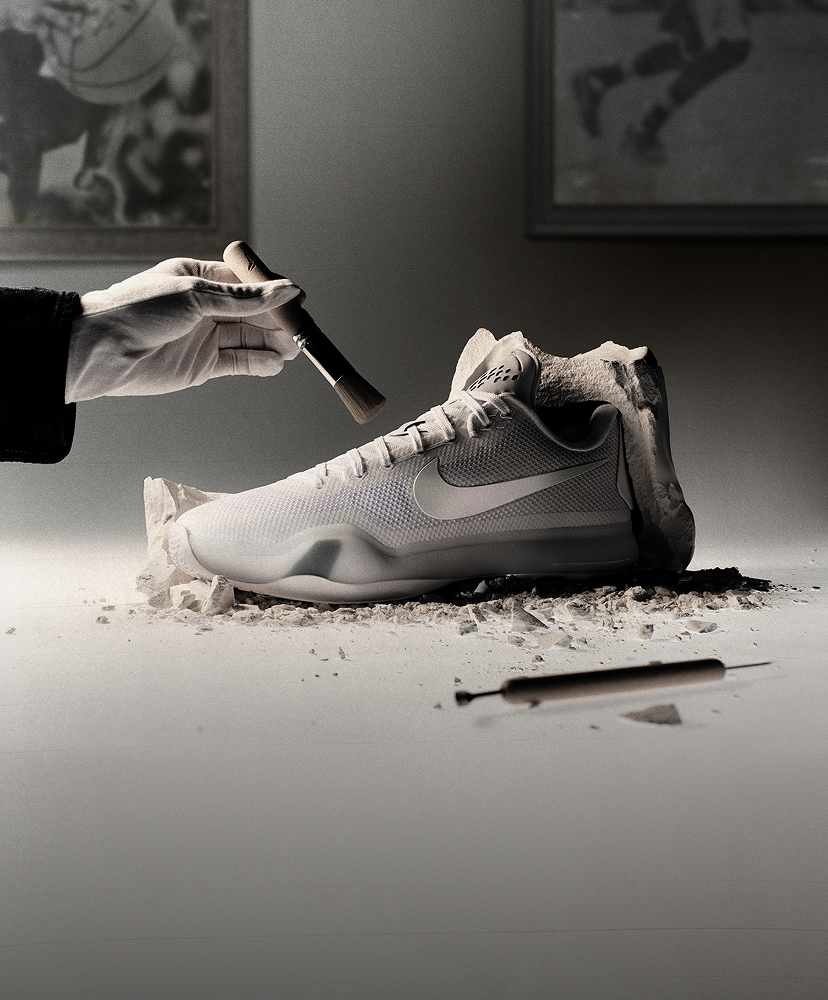
Image source: Nike
Understanding the Nike Kobe Protro and How It Differs from the OG
If you are looking to buy a pair today, you will likely encounter the term "Protro." Personally coined by Kobe Bryant, Protro stands for Performance Retro . The concept is simple but effective: keep the aesthetic of the original (OG) shoe identical while updating the internal components to meet modern athletic standards.
The differences between an OG and a Protro are often found in the weight and the cushioning setup. For example, the Kobe 1 Protro involved significant engineering changes. Nike designers removed specific foam sections and reduced the size of the carbon fiber shank to decrease the overall weight of the shoe. This makes the Protro version feel faster and more responsive than the 2005 original.
- The Rocker Mechanic: Many Protro models include a modified "rocker" shape in the midsole to facilitate a smoother heel-to-toe transition.
- Modern Zoom Air: Older, bulkier Air units are often replaced with full-length Zoom Air or specifically tuned heel and forefoot units.
- Lighter Materials: Modern adhesives and internal foams reduce the "clunky" feel of older leather-heavy models.
This approach ensures that players can wear a shoe designed two decades ago without sacrificing the technological benefits of 2026 footwear. It is a significant advancement in how legacy products are managed, prioritizing actual gameplay over mere nostalgia.
Which Nike Kobe Model Should You Choose for Your Playing Style?
Selecting the right model depends heavily on your position and how you move on the court. While the entire line is versatile, certain models cater to specific needs like lateral quickness or impact protection.
| Model | Cushioning Tech | Weight Class | Best For |
|---|---|---|---|
| Kobe 1 Protro | Full-length Zoom Air | Mid-Weight | Forwards / Power Players |
| Kobe 4 Protro | Phylon + Heel Zoom | Lightweight | All-Around Playmakers |
| Kobe 6 Protro | Cushlon + Zoom Turbo | Ultra-Light | Speed Guards / Slashers |
| Kobe 8 Protro | React Foam (Drop-in) | Featherweight | Shooting Guards |
| Kobe 9 Protro | Lunarlon / React | Lightweight | Defensive Specialists |
For Guards: The Kobe 6 and Kobe 8 are widely regarded as top-tier options. The Kobe 6 features a "wavy traction" pattern that offers exceptional grip for quick cuts. The Kobe 8 is often preferred by those who want the lightest shoe possible, utilizing a drop-in midsole that brings the foot extremely close to the floor.
For Forwards: The Kobe 1 and Kobe 4 provide a more substantial base. The Kobe 1, with its premium leather and padded ankle collar, offers a level of stability that few low-tops match. The Kobe 4 was the model that proved low-tops could support larger players, offering a balanced mix of responsiveness and lockdown.
Technical Breakdown of the Most Notable Nike Kobe Silhouettes
The Kobe 1 Protro and the Evolution of the Performance Retro
The Kobe 1 was the foundation of the Nike era. Originally released in late 2005, it featured a bulky, high-quality leather build that reflected the era's design trends. However, the Protro update transformed it into a modern speed shoe. By stripping away unnecessary internal foam and optimizing the Zoom Air units, Nike created a shoe that feels surprisingly nimble. It remains a popular choice for those who play on outdoor courts or require extra durability, as the leather upper is far more resilient than modern knits.
Why the Kobe 3 Design Was Originally a Polarizing Choice
The Kobe 3 is perhaps the most unique entry in the series. According to Nike Magazine , the design was inspired by the "Misery" of the 2008 Finals loss. It was the first model in the line to introduce Lunarlon Cushioning , a significant step forward in foam technology at the time.
The aesthetic, featuring a TPU cage that looks like a basketball net, was not immediately loved by fans. However, its performance was undeniable. The traction pattern, known as the "Diamante" pattern, was inspired by Kobe’s daughter Natalia (whose middle name is Diamante). While the original fit was criticized for being too stiff due to the cage, the Protro version addresses this by using a new mesh backing that improves comfort and flexibility.
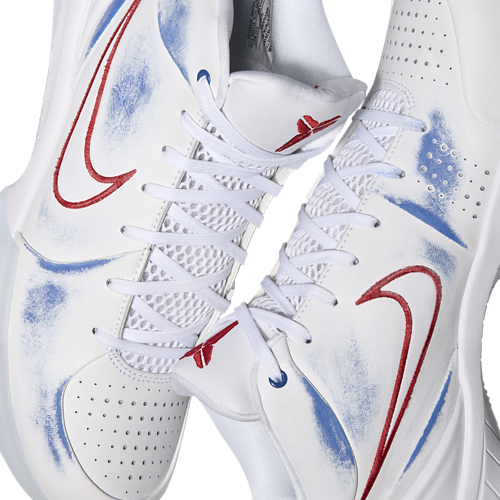
Image source: Foot Locker
The Kobe 9 and the Engineering of Elite Lockdown
When the Kobe 9 was released, it pushed the boundaries of what a basketball shoe could be, offering both ultra-high and low-top versions. The technical standout here is the mesh upper "strung with cables," a system designed to provide elite lockdown during high-intensity movements. The "wavy traction" pattern on the outsole is frequently cited by professional players as one of the best grip systems ever engineered, performing exceptionally well even on dusty courts.
How to Find Authentic Nike Kobe Shoes Without Paying Excessive Resale Prices
Navigating the purchase of Nike Kobes in 2026 requires a strategic approach. Because demand far exceeds supply, retail drops sell out in seconds. To avoid the "resale trap," where prices can triple or quadruple, you must be prepared for official release windows.
This is the most important date for the Kobe line. Nike typically reserves its most anticipated drops, such as the Kobe 8 Protro "What The," for this window.
Stick to the Nike SNKRS app, Nike.com, and major retailers like Foot Locker. Avoid unknown websites claiming to have full stock; these are almost always fraudulent.
When buying from secondary markets like StockX or GOAT, always verify the Style ID. For example, the Kobe 9 Low EM in Fierce Purple has a Style ID of IM6641-500. Cross-referencing this ensures you are looking at the correct model and year.
Retail prices generally fall into two brackets: $100–$150 for team models and $180–$220 for premium Protros. If you see a "new" pair for $60, it is a red flag. Understanding these price tiers helps you identify legitimate opportunities versus scams.
Determining If Nike Kobe Shoes Run True to Size for Your Foot
Nike Kobe shoes are designed with a "performance fit," meaning they are intended to be "one with the foot." This often results in a very snug, narrow feel, especially in the midfoot.
- Standard/Narrow Feet: Most users find that going true to size (TTS) provides the best lockdown for basketball.
- Wide Feet: It is highly recommended to go up a half-size, particularly in the Kobe 4, 6, and 11, which are known for their tight toe boxes.
- Casual Wear: If you are buying these for daily use rather than high-intensity sports, a half-size up is generally more comfortable for all-day wear.
The size range typically spans from Men’s 3.5 (Women’s 5) up to Men’s 18. Because the materials in Protro models (like the Flyknit in the 9 or the synthetic scales on the 6) do not stretch much over time, getting the size right at the point of purchase is crucial.
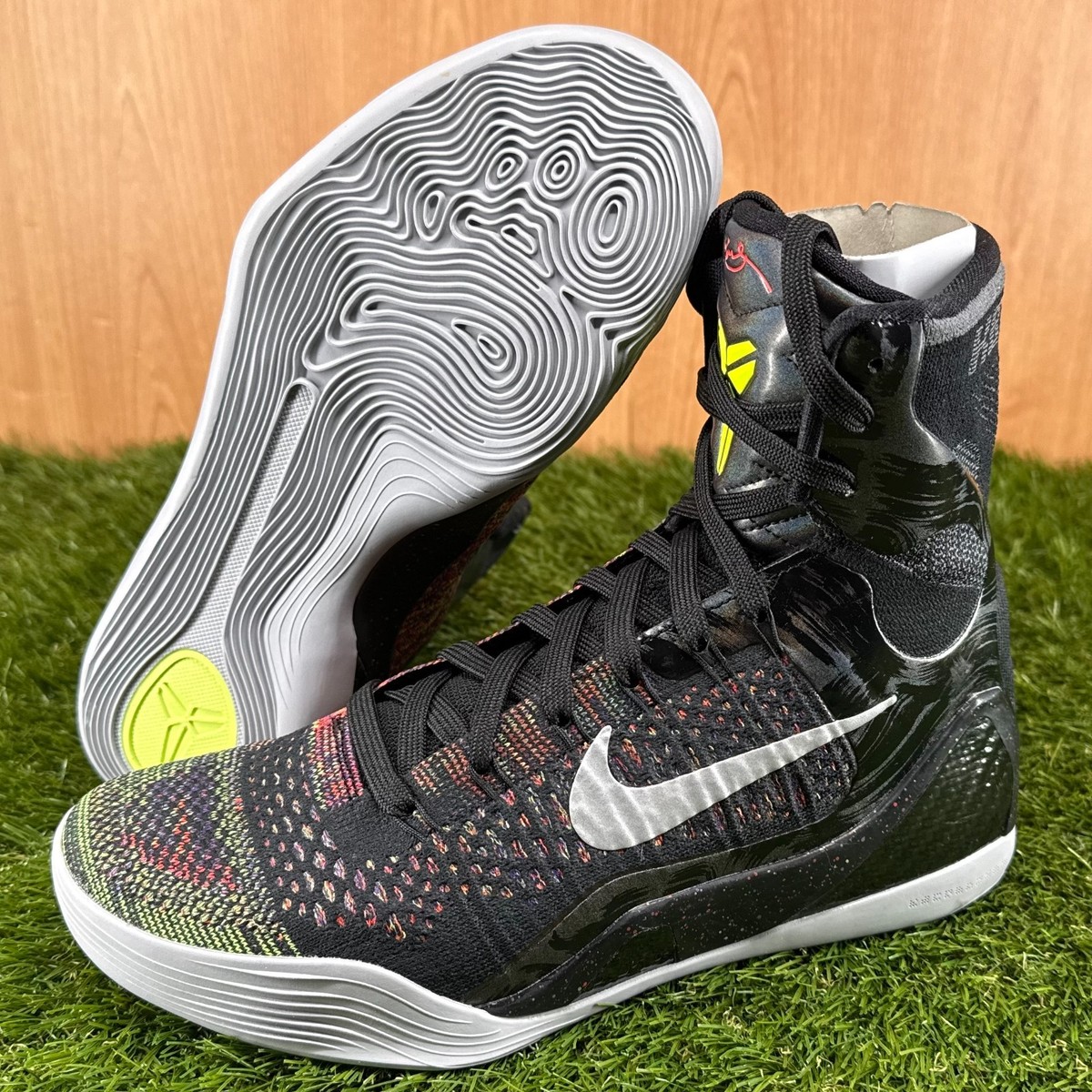
Image source: eBay
Frequently Asked Questions
Major releases are typically scheduled around Mamba Day, which falls on April 13th each year. Additionally, Nike often schedules surprise drops during the NBA All-Star weekend in February and during the summer months. It is best to follow the SNKRS app for the most current launch calendar.
The OG models are the original releases from the 2000s and 2010s using the technology available at that time. Protros (Performance Retros) maintain the original look but upgrade the internal technology, such as using modern Zoom Air units, lighter foams, and improved traction compounds for better performance on modern courts.
The Kobe 1 Protro is widely considered one of the strongest options for outdoor play due to its heavy-duty leather upper and thick outsole. The Kobe 4 Protro is also a viable choice, though the traction may wear down faster on abrasive concrete compared to the Kobe 1.
They generally run small due to their snug, performance-oriented fit. While narrow-footed players can stay true to size, most players—especially those with wide feet—benefit from going up a half-size to ensure proper blood flow and comfort during play.
The high prices are driven by a combination of limited production runs by Nike and the immense cultural legacy of Kobe Bryant. Since his passing, demand has surged globally, making these shoes a primary target for both basketball players and sneaker collectors, which drives up prices on secondary platforms.
Key Takeaways for Buying Nike Kobe Shoes
- Prioritize Protros: For actual basketball use, Protro models are superior to OGs due to their lighter weight and updated cushioning.
- Match Your Position: Choose the Kobe 6 or 8 for guard-like speed, or the Kobe 1 or 4 for forward-like stability.
- Watch the Calendar: Mark April 13 (Mamba Day) as your primary opportunity to buy at retail price.
- Size Up for Comfort: Unless you have very narrow feet, consider going up a half-size for a better fit.
- Verify Authenticity: Always check Style IDs and buy from reputable sources to avoid counterfeit products.
- Understand the Tech: Look for specific features like Lunarlon in the Kobe 3 or the "rocker" in the Kobe 1 Protro to suit your movement style.
To get started, download the Nike SNKRS app and set notifications for upcoming Kobe releases to ensure you don't miss the next retail drop.