Home
Why Valorant Became the Most Popular Tactical Shooter Across Asia and the Diaspora
Since its release, Valorant has undergone a meteoric rise to become a dominant force in the global tactical shooter market. While it enjoys success in North America and Europe, its grip on the Asian market—spanning from the high-tech PC Bangs of Seoul to the mobile-first landscapes of Southeast Asia—is particularly striking. This phenomenon is not merely a result of clever marketing; it is the intersection of economic accessibility, social infrastructure, and a mechanical playstyle that aligns with regional gaming cultures.
Understanding why Asian players have gravitated toward Riot Games' shooter requires looking beyond the scoreboard. It involves analyzing how the game functions as a "third space" for socialization, how the Free-to-Play (F2P) model revitalized stagnant regional scenes, and how the unique linguistic challenges of the APAC region birthed a distinct, highly aggressive "Silent Meta."
How the Bowling Alley Effect Turned Valorant Into a Social Hub
One of the most significant reasons for the game's popularity is what sociologists and community analysts call the "Bowling Alley Effect." In many Western gaming circles, a tactical shooter is viewed as a high-stress competitive environment where the primary goal is to win. However, in many Asian youth cultures, Valorant serves a purpose similar to a physical bowling alley: the activity itself is the backdrop for social interaction.
According to insights shared by community observers, the game’s clean UI, bright aesthetics, and lobby system facilitate "chilling and chatting" for hours on end. Unlike the gritty, often oppressive atmosphere of military shooters like Counter-Strike or Call of Duty , Valorant feels like a safe, vibrant space to hang out. The social experience keeps players retained even during losing streaks because the primary objective—socializing with friends—is always achieved.
This social retention is particularly strong among the Gen Z demographic in Asia. The game’s integration with social media platforms and the high visibility of "lifestyle" streamers have made it a cultural touchstone. In regions like the Philippines and Indonesia, being "good at Valorant" is a form of social currency, much like being good at basketball or football might be in other parts of the world.
Why the Free-to-Play Model Was a Game Changer for Southeast Asia
For years, the tactical shooter genre in Southeast Asia (SEA) was in a state of stagnation. While Counter-Strike: Global Offensive (CS:GO) had a dedicated following, its historical paywall and lack of localized server support created significant barriers. When Valorant launched as a Free-to-Play title with robust regional infrastructure, it effectively filled a massive vacuum.
The economic accessibility of the game cannot be overstated. In developing markets, spending $20 to $60 on a game is a significant investment. By removing the entry barrier, Riot Games allowed millions of players to enter the ecosystem instantly. Furthermore, the game was designed with low-spec optimization in mind. This ensures that the game remains playable on older hardware, which is common in many internet cafes and home setups across the region.
According to reports from Valo2Asia , the F2P model is credited with revitalizing the tactical shooter genre in Southeast Asia. It didn't just attract new players; it brought back veterans who had moved to mobile gaming due to the lack of accessible PC titles. The result is a thriving ecosystem that supports professional leagues, local tournaments, and a massive casual player base.
How PC Bang Culture and Internet Cafes Built a Competitive Foundation
In South Korea and China, the "PC Bang" or internet cafe is more than just a place to play games; it is a mainstream social institution. These spaces provide high-end hardware and high-speed internet for a small hourly fee, making top-tier gaming accessible to everyone regardless of their home situation. This infrastructure has created a "dedication culture" that is unique to the region.
The public nature of these spaces fosters a natural meritocracy. When you play in a PC Bang, you are often surrounded by peers who can see your screen. This creates a subtle social pressure to perform well and improve. It also allows for immediate, in-person team building. It is common to see groups of five friends occupying a row of computers, communicating in person rather than through headsets.
This environment produces players who are exceptionally comfortable with high-intensity, high-pressure situations. The "grind" mentality is baked into the culture. As noted in esports community discussions , gaming in these regions is often viewed as a pure meritocracy where skill is the only metric that matters, leading to a higher density of mechanically gifted players.
The Mechanical Diff and Why Asian Servers Feel So Much Harder
Western players who queue into Asian servers (specifically APAC or Korean servers) often report a significant "difficulty spike." This isn't just an anecdotal observation; it reflects a fundamental difference in regional playstyles. Asian servers are characterized by extreme aggression and raw mechanical skill.
In North American or European servers, the meta often revolves around "utility-heavy executes"—using smokes, flashes, and recon to clear areas safely. In contrast, the Asian meta often prioritizes the "re-peek." Players are much more likely to challenge a sniper or take a high-risk duel even when at a disadvantage. This "W-key" mentality creates a fast-paced, punishing environment where aim is king.
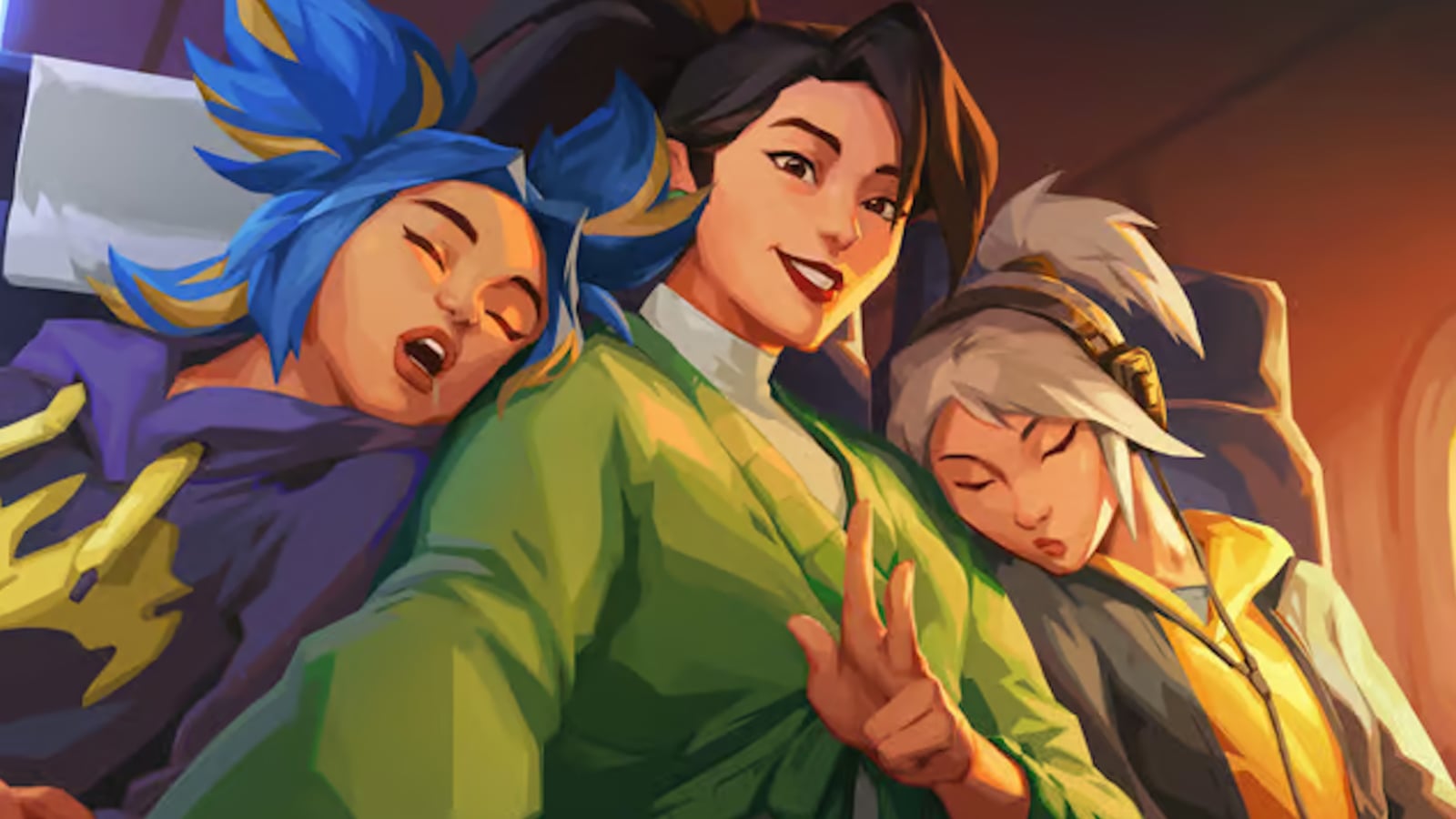
Image source: ONE Esports
Silent Coordination and the Mastery of the Ping System
One of the most fascinating aspects of the Asian Valorant scene is the "Silent Meta." The APAC region is incredibly diverse, with players from Thailand, the Philippines, Indonesia, Singapore, and Japan often sharing the same servers. This creates a significant language barrier that makes traditional voice communication difficult.
To compensate, players have developed an elite level of map awareness and a reliance on the game's ping system. Instead of long verbal explanations, players use precise pings and "silent game sense" to coordinate. This forces every individual to take more responsibility for their own positioning and utility usage. The result is a "boss battle" atmosphere where every opponent feels like a highly independent, mechanically dangerous threat.
Why Representation Through Asian Agents Drives Regional Pride
Riot Games made a conscious effort to include Asian representation in the game's core roster from day one. Having Jett (South Korea) and Sage (China) as two of the most iconic characters in the game provided an immediate "home team" advantage for Asian players. This was later expanded with the addition of Yoru (Japan) and Neon (Philippines).
The attention to detail in these characters is what sets them apart. Neon, for example, features Tagalog voice lines and aesthetic choices that feel authentic to Filipino culture rather than a generic caricature. For the Asian diaspora—particularly Asian-American players—these characters provide a way to connect with their heritage while participating in a global competitive scene.
This representation has a direct impact on the professional scene. The visibility of these characters, combined with the success of Asian teams like Paper Rex or DRX, creates a virtuous cycle of inspiration. Young players see themselves reflected in the game's lore and at the highest levels of competition, further cementing the game's popularity.
The Gender Gap and Why More Asian Women Are Playing Valorant
Valorant has been notably successful in attracting a diverse player base, including a significantly higher percentage of women compared to other tactical shooters. In the Asian scene, this participation is highly visible. The game's "anime-adjacent" art style and bright color palette are often cited as being more welcoming than the "gritty realism" of other shooters.
Furthermore, the "Bowling Alley" social model creates a safer environment for female players. Because the game is often played in established social circles or PC Bangs with friends, the barrier to entry feels less intimidating. The high rate of female streamers in regions like Thailand and the Philippines has also normalized female participation in the competitive scene, leading to a more inclusive community overall.
Understanding the Asian-American Experience in the Professional Scene
The popularity of Valorant in Asia is mirrored by the dominance of players of Asian descent in the North American (NA) professional scene. A demographic breakdown of top NA teams reveals a high concentration of players with Vietnamese, Filipino, and Cambodian heritage. Players like TenZ, Zekken, and Jawgemo have become the global faces of the game.
However, this success often comes despite significant cultural hurdles. As noted in demographic discussions on VLR.gg , many first-generation immigrant parents initially view gaming with skepticism, prioritizing traditional academic or professional paths. The success of these pros has begun to shift that narrative, turning esports into a viable and respected career path within the diaspora.
Comparing Regional Playstyles: Asia vs. North America
| Feature | Asian Servers (APAC/Korea) | North American Servers (NA) |
|---|---|---|
| Communication | Primarily Pings / Silent Meta | Heavy Voice Chat / Comms-focused |
| Playstyle | High Aggression / Frequent Re-peeks | Tactical / Utility-Heavy Executes |
| Social Vibe | "Bowling Alley" (Social Hangout) | Competitive / Rank-Focused |
| Infrastructure | PC Bangs / Public Spaces | Home Setups / Private Spaces |
| Skill Focus | Raw Mechanics & Aim | Strategy & Team Coordination |
The Evolution of the Asian FPS Scene
Frequently Asked Questions
The Bottom Line
Valorant's success in Asia is the result of a perfect storm where game design met regional economic and social reality. Here are the key takeaways:
- Social Infrastructure: The game functions as a digital "Bowling Alley," prioritizing social interaction alongside competition.
- Economic Accessibility: The Free-to-Play model and low-spec optimization removed the financial barriers that previously limited the FPS genre in SEA.
- PC Bang Influence: Public gaming spaces in Korea and China created a unique competitive grind and a high-intensity meritocracy.
- Cultural Representation: Authentic Agents like Jett and Neon provided a "home team" feel that fostered regional pride.
- Mechanical Aggression: The "Silent Meta" and aggressive playstyles have made Asian servers some of the most mechanically challenging in the world.
- Inclusive Growth: The game's aesthetics and social safety have led to a significantly higher participation rate among women.
If you are looking to improve your own gameplay, try queuing into an APAC server to experience the high-intensity "re-peek" culture firsthand.