Home
Why the Best Movies Are Always Watched After Midnight
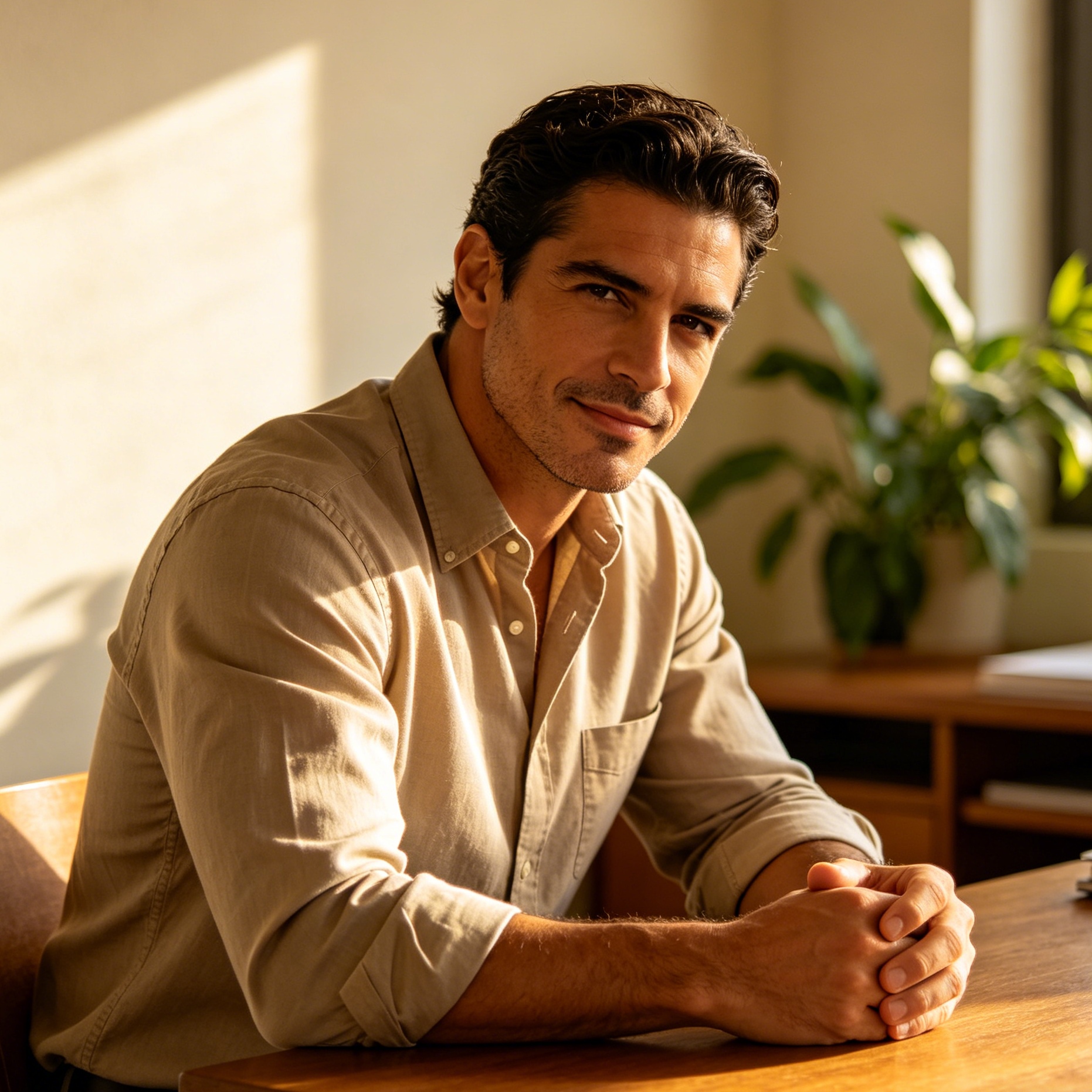
The cinematic experience undergoes a profound transformation as the clock strikes twelve. During the day, cinema is often an act of social consumption or narrative escapism. But at night, when the world outside falls silent and the light from the screen becomes the primary source of reality, watching a movie turns into a ritual. This transition is not just about the time of day; it is about a psychological shift. The boundaries between the subconscious and the projected image begin to blur, allowing for a level of immersion that broad daylight simply cannot facilitate.
This phenomenon is rooted in a rich history of counter-culture and aesthetic exploration. From the gritty midnight screenings of the 1970s to the neon-soaked atmospheric dramas of the modern era, "late-night movies" represent a specific genre of experience that demands a different kind of attention. To understand why certain films are best enjoyed in the dark, one must look at both the history of the midnight movie movement and the specific aesthetic language that defines nocturnal cinema.
The Cultural Roots of the Midnight Movie Phenomenon
The concept of the "midnight movie" was not a marketing invention but a grassroots cultural movement. In the late 1960s and early 1970s, independent theaters in urban centers—most notably New York City’s Elgin Theater—began programming films that were too strange, too controversial, or too unconventional for mainstream daytime audiences.
The Elgin Theater and the Birth of Cult Cinema
In December 1970, the Elgin Theater premiered Alejandro Jodorowsky’s El Topo. It was a surrealist, violent, and highly symbolic Western that defied every convention of the genre. The film didn't just attract viewers; it attracted a congregation. Audiences returned week after week, turning the screening into a social event. This was the birth of the "midnight movie" as a communal rite of passage.
Following El Topo, the midnight slot became the sanctuary for films that challenged the status quo. John Waters’ Pink Flamingos and David Lynch’s Eraserhead found their audiences in these dark hours. These were films that required a specific headspace—a willingness to witness the bizarre without the judgment of the polite, daylight society. The late-night setting provided a safe harbor for the "outcasts" of cinema, fostering a culture of repeat viewing and vocal audience participation that reached its zenith with The Rocky Horror Picture Show.
Participation and the Social Screen
The legacy of the midnight movie is defined by participation. For films like The Rocky Horror Picture Show, the screen was merely a backdrop for a live, interactive performance. Fans dressed as characters, shouted lines back at the screen, and used props to interact with the narrative. This social aspect transformed the act of watching a movie from a passive experience into an active, community-building event. Although the rise of home video and digital streaming has changed how we access these films, the spirit of the midnight cult remains a cornerstone of film history, proving that the night is when the most daring art finds its voice.
The Television Era of Late-Night Horror and B-Movies
While independent cinemas were cultivating art-house cults, local television stations were creating their own version of the late-night ritual. In the 1950s and 60s, stations realized that the hours after the late news were a "safe harbor" period, largely exempt from the stricter daytime broadcast regulations regarding indecency and violence.
The Rise of the Horror Host
To fill these slots, stations purchased cheap packages of B-movies—low-budget horror, sci-fi, and suspense films. However, to make these often-mediocre films more palatable, they introduced the "horror host." Figures like Maila Nurmi, known as Vampira, and later Cassandra Peterson, known as Elvira, Mistress of the Dark, became icons of the night.
These hosts did more than just introduce the films; they provided a framing device that allowed the audience to enjoy the films ironically. With their campy humor, gothic aesthetics, and sharp wit, they transformed "bad" movies into essential late-night viewing. This era established the aesthetic link between the night and the supernatural, the macabre, and the "edgy." It taught generations of viewers that the best way to consume low-budget genre fiction was with a dose of irony and a midnight snack.
Defining the Aesthetic of the Late-Night Vibe
In the modern context, a "late-night movie" is defined less by when it is screened and more by its "vibe." There is a specific cinematic language associated with the night—one that prioritizes atmosphere, mood, and sensory immersion over traditional linear storytelling.
Low-Key Lighting and Chiaroscuro
The visual hallmark of a late-night film is its use of light. Directors like Michael Mann or Nicolas Winding Refn utilize low-key lighting to create a world of deep shadows and sharp contrasts, often referred to as Chiaroscuro. In the silence of the night, these visual choices become more pronounced. The glow of a neon sign against a wet pavement or the dim light of a dashboard in a moving car creates a sense of intimacy and isolation that resonates with the viewer’s own environment.
The Sonic Landscape: Synthwave and Silence
Sound design is equally critical. Late-night movies often feature immersive, electronic soundtracks—think of the pulsating synthwave scores of the 1980s or the ambient, minimalist compositions of modern dramas. When you watch a movie at 2 AM, your auditory senses are heightened because the background noise of the world has diminished. A film that understands this will use silence as effectively as it uses its score, creating a rhythmic experience that mimics the heartbeat of a sleeping city.
Nocturnal Logic and Dream Narrative
Late-night films often embrace a "dream logic." Because the viewer is usually in a state of partial fatigue, their defenses against unconventional narratives are lowered. This is why mind-bending films like Inception or surrealist works like Donnie Darko feel so much more effective at night. The brain is already primed for the illogical, making the transition into the film’s reality seamless.
A Curated Guide to Modern Late-Night Masterpieces
To truly experience the power of nocturnal cinema, one must choose films that lean into these atmospheric strengths. The following films represent the "gold standard" for late-night viewing, each offering a unique exploration of the night.
1. Drive (2011) – The Neon Stillness
Drive is perhaps the ultimate modern late-night movie. Directed by Nicolas Winding Refn, it features a taciturn protagonist who functions as a Hollywood stuntman by day and a getaway driver by night. The film is a masterclass in minimalism.
Why it works at night: The film’s aesthetic is built entirely on the contrast between the cold, neon lights of Los Angeles and the deep shadows of the Driver’s interior world. The soundtrack, featuring iconic tracks by Kavinsky and Cliff Martinez, creates a hypnotic pulse that matches the rhythm of a late-night drive. When you watch this at 3 AM, you aren't just watching a crime drama; you are entering a trance-like state of urban isolation. The violence, when it comes, feels like a sudden burst of lightning in a calm sky.
2. Nightcrawler (2014) – The Predatory Night
If Drive is the romanticized version of the night, Nightcrawler is its dark, predatory underbelly. Jake Gyllenhaal delivers a bone-chilling performance as Lou Bloom, a man who discovers the lucrative world of freelance crime journalism in L.A.
Why it works at night: The film captures the "grind" of the night. The digital cinematography specifically emphasizes the unnatural glow of streetlights and camera flashes, creating an environment that feels both vivid and sickly. Watching Lou Bloom prowl the streets for tragedies while the rest of the city sleeps creates a profound sense of unease. It forces the viewer to confront the voyeuristic nature of media—an observation that feels much more personal when you are the only one awake to witness it.
3. Lost in Translation (2003) – The Insomniac’s Journey
Sofia Coppola’s Lost in Translation captures a different nocturnal feeling: the displacement and loneliness of insomnia. Set in the sprawling, neon-lit landscape of Tokyo, the film follows two strangers who form an unlikely bond in the quiet hours of a luxury hotel.
Why it works at night: The film perfectly replicates the "liminal space" of late-night travel. The muted colors, the hushed conversations, and the general sense of being "between" two worlds resonate deeply with anyone who has ever found themselves awake while the rest of the world is asleep. It is a meditative, melancholic experience that feels like a shared secret between the director and the viewer.
4. Collateral (2004) – The Digital Night Aesthetic
Director Michael Mann is a pioneer of using digital cameras to capture the true look of the night. Collateral, starring Tom Cruise as a hitman and Jamie Foxx as his hostage taxi driver, is a thriller that takes place entirely over the course of one night in Los Angeles.
Why it works at night: Unlike traditional film, the high-definition digital cameras used in Collateral were able to see into the shadows, capturing the ambient glow of the city’s atmosphere. The result is a film that looks exactly like the night feels. The narrative is a high-stakes race against the sunrise, making it the perfect choice for a viewer who plans to stay up until the first light of dawn.
5. Inception (2010) – The Architecture of Dreams
Christopher Nolan’s Inception is a high-concept heist film that takes place within the layers of the human subconscious.
Why it works at night: The film’s preoccupation with dream logic and the fluidity of time makes it a natural fit for late-night viewing. As the narrative descends through different levels of the dream state, the viewer’s own late-night headspace begins to mirror the characters' experiences. The complex exposition and breathtaking visuals demand a level of focused immersion that is easier to achieve when there are no daytime distractions.
6. Donnie Darko (2001) – The Surreal Suburban Dread
A cult classic that follows a troubled teenager and his visions of a giant, prophetic rabbit named Frank, Donnie Darko is the quintessential "mind-bender."
Why it works at night: The film’s blend of science fiction, teen angst, and existential dread creates a surreal atmosphere that is significantly enhanced by the quiet of the night. Its themes of time travel and the end of the world feel much more urgent and plausible when the sun is down. The eerie, haunting cover of "Mad World" that closes the film is an auditory experience that lingers long after the credits roll.
The Psychology of Nighttime Immersion
Why does a film like Drive feel different at 2 AM than it does at 2 PM? The answer lies in the biology of our attention. During the day, our brains are in a state of high alertness, constantly scanning the environment for external stimuli. This "scattered" attention makes it difficult to achieve total narrative immersion.
However, as the night progresses, our circadian rhythms lead to a slight decrease in cognitive "filtering." We become more emotionally susceptible. The reduction in light and noise in our physical environment forces our focus entirely onto the screen. This creates a feedback loop: the film’s atmosphere informs our mood, and our mood, in turn, makes us more receptive to the film’s aesthetic choices. In this state, the suspension of disbelief is at its strongest. We don't just watch the night on screen; we inhabit it.
How to Curate Your Own Late-Night Cinema Ritual
To elevate the experience from mere "watching" to a ritual, the environment must be carefully considered.
Lighting and Atmosphere
The goal is to eliminate the boundary between the room and the screen. Turn off all overhead lights. If necessary, use a very dim, warm-toned accent light behind the television (bias lighting) to reduce eye strain without washing out the shadows on the screen. The room should feel like a cocoon.
Audio Equipment
If you cannot use a full surround-sound system late at night due to neighbors or family, a high-quality pair of open-back headphones is a superior alternative. This allows you to hear the subtle nuances of the sound design—the hum of the city, the whisper of the score—without losing the immersive quality of the audio.
The Choice of Medium
While streaming services are convenient, physical media (4K Blu-rays) often offers higher bitrates, which are crucial for late-night movies. Dark scenes in streaming video often suffer from "banding" or compression artifacts in the shadows. To see the deep blacks and vibrant neons as the director intended, a physical disc or a high-bitrate digital file is recommended.
Conclusion: The Eternal Appeal of the Dark
Late-night movies are more than just a way to kill time before sleep. They are a unique form of art that requires a specific environment to be fully understood. Whether you are exploring the counter-cultural history of the midnight movie or losing yourself in the neon-noir streets of a modern thriller, the act of watching after midnight offers a level of intimacy and emotional depth that is unparalleled in daytime cinema. The night provides a canvas for the surreal, the atmospheric, and the daring. So, the next time the world goes quiet, turn off the lights, press play, and let the night envelop your senses.
Summary of Late-Night Cinema
- Midnight Movie History: Originated in the 1970s as a counter-culture movement (e.g., El Topo, Rocky Horror).
- Television Legacy: Horror hosts like Vampira and Elvira brought B-movies to the masses through late-night slots.
- Modern Aesthetics: Defined by low-key lighting, synth-heavy soundtracks, and dream-like narrative logic.
- Recommended Films: Drive, Nightcrawler, Lost in Translation, Collateral, Inception, and Donnie Darko.
- Optimal Viewing: Best experienced in a dark room with high-quality audio to maximize sensory immersion.
FAQ: Frequently Asked Questions About Late-Night Movies
What is the definition of a "midnight movie"? A midnight movie traditionally refers to a non-mainstream or cult film programmed for late-night screening. Historically, these screenings encouraged social interaction and were a staple of counter-culture cinema in the 1970s.
Why are horror movies so common late at night? Horror movies lean heavily on atmosphere and the unknown. The biological state of being awake at night—characterized by heightened senses and a slight decrease in cognitive filtering—makes viewers more susceptible to scares and tension. Additionally, early TV regulations allowed for edgier content only during late-night hours.
What makes a movie a "Neo-Noir"? Neo-Noir is a modern revival of the classic "Film Noir" style. It typically features cynical protagonists, moral ambiguity, and a distinct visual style involving deep shadows and high-contrast lighting, often set in an urban environment at night.
Can I watch midnight movies on modern streaming platforms? Yes. Platforms like Criterion Channel, MUBI, and Shudder often have dedicated sections for cult cinema and midnight movies. Even mainstream platforms like Netflix or Max have "Thriller" or "Atmospheric" categories that house these types of films.
Is it better to watch these films alone or with others? This depends on the film. "Participation" films like The Rocky Horror Picture Show are best in a crowd. However, atmospheric and introspective films like Lost in Translation or Drive are often more powerful when watched alone, as the isolation mirrors the themes of the movie.
-
Topic: MOVIES 12AM 12:30 1AM 1:30 2AM 2:30 3AM 3:30 4AM 4:30 5AM 5:30 6AM 6:30 7AM 7:30https://9c519110712a1cc5ffdf-b1b745d17d9877b298ac94fd86f5428e.ssl.cf2.rackcdn.com/Week1P-Sept2025.pdf
-
Topic: 9 Movies That Are Best Enjoyed Late at Nighthttps://pix-media.com/editorials/9-movies-that-are-best-enjoyed-late-at-night
-
Topic: Midnight movie - Wikipediahttps://en.wikipedia.org/wiki/Midnight_screening?oldformat=true