Home
Home
Why Don't Stop Believin' Remains the Ultimate Anthem of Hope Decades Later
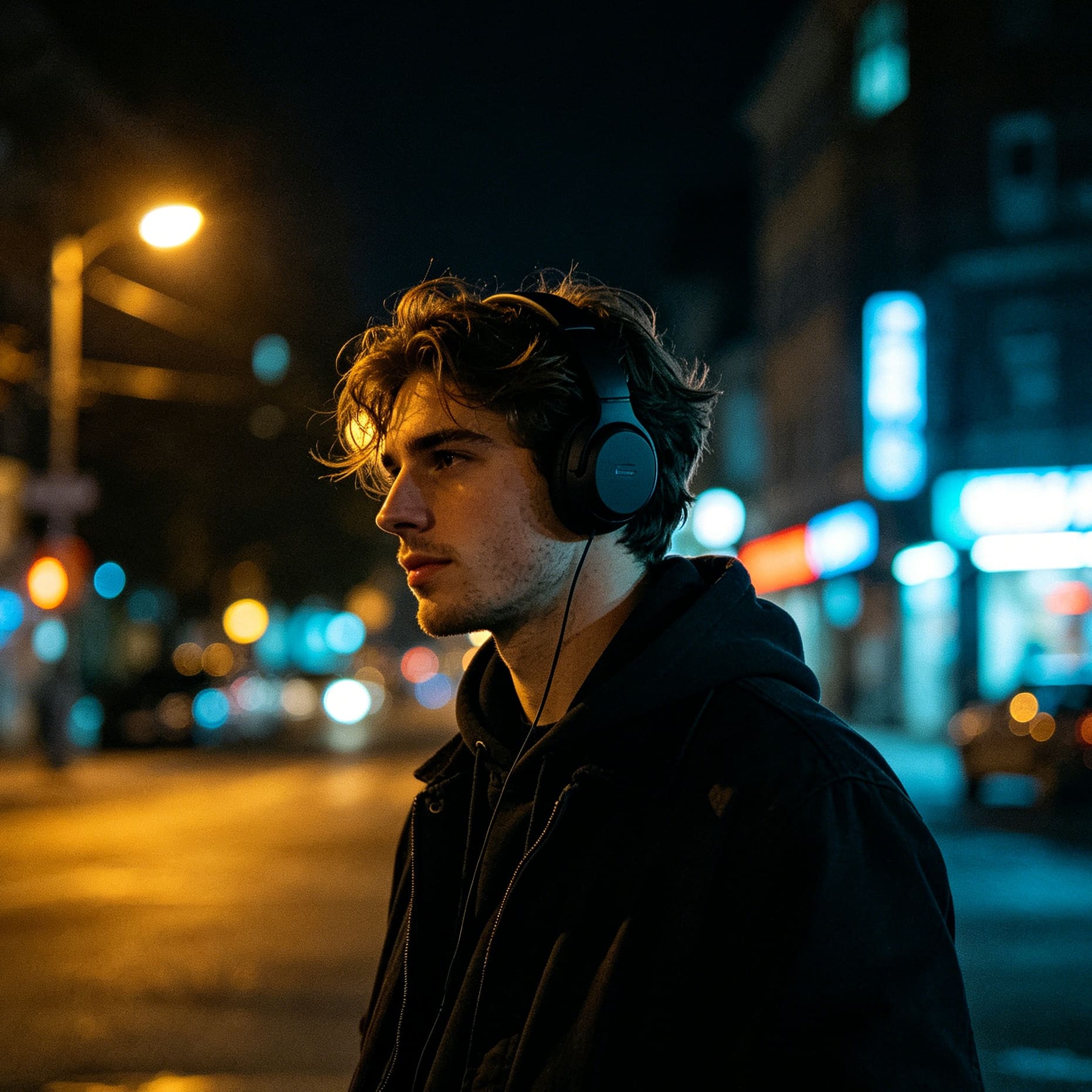
The opening piano riff begins—a rhythmic, cascading sequence of notes that is instantly recognizable in any bar, stadium, or living room across the globe. Within seconds, the atmosphere changes. Whether it is a crowd of thousands at a sporting event or a solitary listener at 2:00 AM, the emotional resonance of Journey’s 1981 masterpiece "Don't Stop Believin'" is undeniable. It is more than just a relic of arena rock; it is a cultural phenomenon that has achieved a level of immortality rare in the fast-moving world of popular music.
Released as the second single from the album Escape, the song was a modest success upon its debut, peaking at number nine on the Billboard Hot 100. However, its trajectory over the next four decades defies traditional music industry logic. It didn't just stay in the past; it evolved, finding new life in the digital age, television finales, and as a rallying cry for countless underdog stories. To understand why this track continues to top streaming charts and serve as a universal anthem, one must look deep into its unconventional structure, its lyrical mythology, and the pure, unadulterated hope it offers to every "small-town girl" and "city boy."
The Unlikely Origin of a Global Phenomenon
The story of "Don't Stop Believin'" is rooted in a moment of near-failure. In the late 1970s, Jonathan Cain was a struggling musician living in Los Angeles. His career was stalling, his finances were dwindling, and the lure of Sunset Boulevard was beginning to feel more like a trap than a dream. Discouraged, he called his father back home in Chicago, ready to pack his bags and give up on music entirely.
It was during this phone call that his father uttered the words that would change music history: "Don't stop believing, or you're done, dude." Cain, recognizing the power of the phrase even in his state of despair, wrote it down in a notebook. Years later, when he joined Journey as their new keyboardist, he brought that notebook to a rehearsal session with vocalist Steve Perry and guitarist Neal Schon.
The collaboration that followed was a masterclass in collective songwriting. While Cain provided the title and the foundational keyboard riff, Neal Schon developed the driving bass line that provides the song's forward momentum. Steve Perry, with his incredible melodic instincts, began to weave the narrative of the characters. The band worked together in a rented warehouse in Oakland, California, piecing together a song that felt like a journey in itself—a narrative of movement, searching, and the refusal to let go of a dream.
Breaking the Rules of Radio: The Structural Genius of the Song
One of the most remarkable aspects of "Don't Stop Believin'" is how it blatantly ignores the standard rules of pop songwriting. In a typical radio hit, the goal is to get to the chorus as quickly as possible—usually within the first 45 to 60 seconds. This "hook" is then repeated multiple times to ensure it sticks in the listener's brain.
Journey took the opposite approach. The actual chorus of the song—the part containing the title and the famous "Hold on to the feelin'" line—does not occur until the track is nearly finished. In the 4 minute and 11-second studio version, the chorus only arrives at the 3:20 mark.
Instead of a repetitive structure, the song builds tension through a series of verses and what the band calls "pre-choruses." Each section adds a new layer of instrumentation and emotional intensity.
- The Introduction: The solo piano sets the stage.
- The First Verse: Introduces the "small-town girl."
- The Instrumental Break: Adds the iconic guitar work.
- The Second Verse: Introduces the "city boy" and the "midnight train."
- The Pre-Chorus: Explores the "strangers waiting up and down the boulevard."
By the time the actual chorus finally hits, the listener has been primed for three minutes. The delayed gratification creates a massive emotional release, which is why the song is so effective in communal settings. It forces the audience to go on a journey before they are allowed to reach the destination.
The Mystery of South Detroit and Lyrical Storytelling
Lyrically, the song creates a vivid, cinematic world. The opening lines—"Just a small-town girl, livin' in a lonely world / She took the midnight train goin' anywhere"—are among the most famous in rock history. They tap into a universal human desire for escape and transformation.
However, the song also contains one of the most famous geographical errors in music. The lyrics mention a "city boy, born and raised in south Detroit." As any resident of Michigan will tell you, there is no such place as "South Detroit." If you head south from downtown Detroit, you actually end up in Windsor, Ontario, Canada.
Steve Perry has admitted that he knew the geography was wrong. When he was writing the lyrics, he tried "North Detroit," "East Detroit," and "West Detroit," but none of them had the right phonetic flow. "South Detroit" just sang better. It sounded poetic, even if it wasn't factual. Interestingly, this "error" has become a point of pride for the city. During Detroit Red Wings hockey games, the entire arena screams the line "Born and raised in South Detroit" with a fervor that transcends geographical accuracy.
The characters of the song—the singer in a smoky room, the people living under streetlights—are archetypes. They represent anyone who is working hard, rolling the dice, and searching for emotion in the darkness. The vagueness of the "midnight train goin' anywhere" allows every listener to project their own dreams and destinations onto the lyrics.
From the 80s to the Digital Age: The Great Resurrection
While "Don't Stop Believin'" was a staple of classic rock radio throughout the 80s and 90s, its transformation into a global anthem occurred in the mid-2000s through several key cultural touchstones.
The Sopranos and the Cut to Black
Perhaps the most significant moment in the song's afterlife was its use in the final scene of the HBO series The Sopranos in 2007. Director David Chase chose the track to play over the tension-filled dinner at Holsten’s. As Tony Soprano flips through the jukebox and selects the Journey track, the song provides a sense of normalcy and hope that contrasts sharply with the looming threat of violence. When the screen suddenly cut to black in the middle of a lyric, it sparked a national conversation. Steve Perry was initially hesitant to license the song, fearing it would be associated with a character's death, but the resulting exposure was unprecedented. The song's digital downloads spiked by hundreds of percentage points overnight.
The Glee Effect and a New Generation
In 2009, the musical television show Glee featured a cover of "Don't Stop Believin'" in its pilot episode. This version introduced the song to a Gen Z and Millennial audience who might never have heard Journey's original. The Glee version became a massive hit in its own right, charting even higher in some international territories than the original. It reaffirmed the song's message of perseverance for a new generation facing their own sets of challenges.
The Streaming Era Record-Breaker
In the age of Spotify and iTunes, the song has achieved milestones that were unthinkable during its vinyl release. It became the first catalog track (a song released before the digital era) to reach over five million digital downloads. In 2024, Forbes reported that it had been officially named the "Biggest Song of All Time" by the RIAA, having been certified 18-times Platinum. This means that even without new radio play, millions of people are actively choosing to listen to this song every single day.
A Sports Anthem That Unites Rival Stadiums
The song's ability to unify people is most visible in the world of sports. It has become an unofficial anthem for teams that view themselves as underdogs.
In 2005, the Chicago White Sox used the song as their rallying cry during their World Series run. Catcher A.J. Pierzynski had heard the song in a bar and suggested it to the team. Steve Perry even joined the team on the field for their victory parade.
Similarly, the San Francisco Giants adopted the song during their 2010 World Series victory. Steve Perry, a long-time Giants fan, often leads the crowd in a sing-along at the stadium. What makes this fascinating is that the song has been embraced by teams in Detroit, Chicago, San Francisco, and Los Angeles simultaneously. It is one of the few pieces of culture that can bypass intense sports rivalries and create a shared moment of joy.
The Technical Mastery Behind the Recording
To appreciate the song fully, one must also appreciate the craft that went into its recording at Fantasy Studios in Berkeley, California. Despite the polished sound of the final product, the track has an organic, live feel.
The band recorded the instrumental track in essentially one take. Jonathan Cain used a Roland Jupiter-8 and a Yamaha grand piano to create the shimmering, layered keyboard sound. Neal Schon’s guitar work is particularly subtle, using 16th-note arpeggios that Steve Smith (the drummer) suggested should sound like a "train" moving down the tracks. This rhythmic choice is what gives the song its feeling of constant forward motion.
Steve Perry’s vocal performance is also a feat of technical brilliance. On the day of the recording, Perry was actually suffering from a cold, yet he managed to deliver some of the most soaring, crystalline notes of his career. His ability to move from the quiet, storytelling intimacy of the verses to the powerful, high-tenor delivery of the finale is a testament to why he is considered one of the greatest singers in rock history.
Understanding the Enduring Philosophy of Perseverance
At its core, "Don't Stop Believin'" is a song about the human condition. It acknowledges that "some will win, some will lose," and that life is often a "smoky room" filled with the "smell of wine and cheap perfume." It does not promise that everything will be perfect; it simply encourages the listener to "hold on to the feelin'."
In a world that often feels divided or cynical, the song provides a safe space for sincere emotion. It is unapologetically earnest. There is no irony in the way Steve Perry sings those final lines. That earnestness is what allows it to survive every change in musical fashion. Grunge, hip-hop, EDM, and indie rock have all risen and fallen in popularity since 1981, but the simple message of Journey’s anthem remains untouched by trends.
The song serves as a reminder that everyone is on a journey, and that the act of "believing" is often more important than the destination itself. Whether you are a student studying for finals, an athlete in the fourth quarter, or someone just trying to get through a difficult workday, the song offers a three-minute burst of resilience.
Summary: The Legacy of a Multi-Platinum Masterpiece
"Don't Stop Believin'" has transcended its origins as an 80s rock track to become a permanent fixture of the global cultural landscape. Its unique structure, which saves the biggest payoff for the very end, mirrors the journey of life itself—full of buildup, anticipation, and eventual triumph. Through its presence in iconic television, its dominance in the digital streaming era, and its role as a stadium anthem, it has proven that a message of hope never goes out of style.
In 2022, the Library of Congress officially inducted the song into the National Recording Registry, cementing its status as a work of historical and cultural significance. It is a song that belongs to everyone—from the streets of Detroit (real or imagined) to every corner of the world where people are still looking for that "midnight train" to a better future. As long as there are people with dreams, the world will never stop believing.
Frequently Asked Questions About Don't Stop Believin'
Who wrote the song Don't Stop Believin'?
The song was co-written by Journey's keyboardist Jonathan Cain, lead singer Steve Perry, and guitarist Neal Schon. The title and the core message were inspired by advice Jonathan Cain received from his father.
Where is South Detroit?
Geographically, there is no "South Detroit." The area directly south of Detroit is actually the city of Windsor in Ontario, Canada. Steve Perry chose the term because it sounded better rhythmically than other directions.
Why is the chorus only at the end of the song?
The band intentionally structured the song to build tension. By delaying the chorus until the 3:20 mark, they created a powerful emotional payoff that makes the song particularly effective for sing-alongs and dramatic moments.
What is the meaning of the midnight train goin' anywhere?
The "midnight train" is a metaphor for opportunity and escape. It represents the idea that anyone, regardless of their background, can choose to leave their current circumstances and seek a new life or pursue their dreams.
How many times has Don't Stop Believin' been certified Platinum?
As of 2024, the song has been certified 18-times Platinum by the RIAA, making it one of the most successful and highest-selling singles in music history.
Which TV shows made the song famous again?
The song saw a massive resurgence after being featured in the final scene of The Sopranos (2007) and the pilot episode of Glee (2009). Both instances helped the song reach new audiences and boosted its digital sales significantly.
-
Topic: Don't Stop Believin' - Wikipediahttps://en.wikipedia.org/wiki/Don%27t_Stop_Believin%27_(Journey_song)
-
Topic: don ' t stop believing _ 百科https://m.baike.com/wiki/Don%27t%20Stop%20Believing/20323913
-
Topic: Wiki - Don't Stop Believin' (2022 Remaster) — Journey | Last.fmhttps://www.last.fm/music/Journey/_/Don%27t+Stop+Believin%27+(2022+Remaster)/+wiki