Home
Who Is Grey DeLisle and Why Is Her Voice Everywhere?
In the landscape of modern entertainment, few individuals possess a reach as expansive as Grey DeLisle (also known as Grey Griffin). While her face may not be a household staple, her vocal range has served as the auditory backdrop for three generations of viewers. As of late 2024, DeLisle has contributed to over 500 titles and voiced more than 2,000 characters, establishing herself as one of the most prolific performers in the history of the medium.
From the cold, calculated precision of Avatar: The Last Airbender's Azula to the bubbly, resourceful Daphne Blake in the Scooby-Doo franchise, DeLisle’s ability to inhabit diverse personas is a cornerstone of the animation industry. Her work spans across major networks like Nickelodeon, Cartoon Network, and Disney, as well as high-profile video game franchises and theme park attractions. This article explores the technical frameworks, industry shifts, and multi-disciplinary talents that have defined her enduring career.
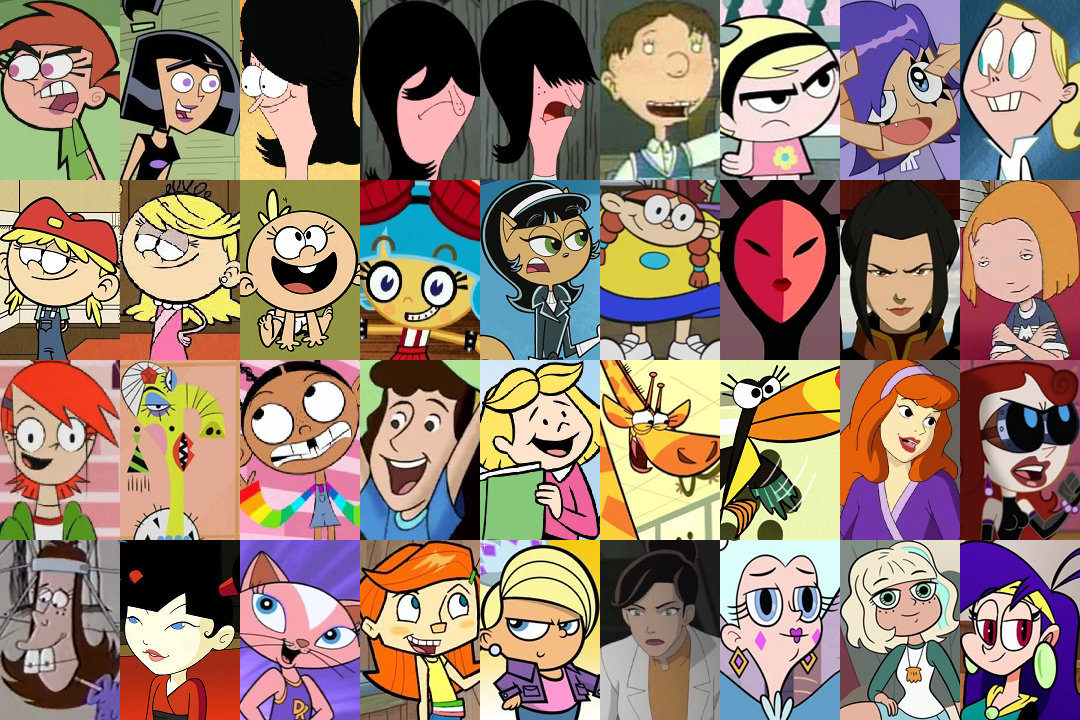
Image source: DeviantArt
How Grey DeLisle Rose from Fort Ord to Voice Acting Fame
Born Erin Grey Van Oosbree in 1973 at Fort Ord, California, DeLisle’s professional trajectory was heavily influenced by a rich tapestry of cultural and familial backgrounds. Raised in a Mexican-American household, she often describes her identity as being deeply rooted in the traditions passed down by her grandmother, Eva Flores. Flores was a vocalist for the legendary Tito Puente, providing DeLisle with an early exposure to the rigors and rewards of a life in the performing arts.
Her entry into the professional world was not a direct path to the recording booth. During her high school years in Chula Vista—where she was a classmate of actor Mario Lopez—DeLisle focused on developing her comedic timing. It was her work in stand-up comedy that eventually served as her "big break." During a routine, a casting director noted her uncanny ability to perform impressions and suggested she explore the burgeoning field of voice-over (VO).
The transition to VO was marked by a dramatic, almost cinematic, turning point. On the way to her audition for the role of Reptar in Rugrats , DeLisle was involved in a significant car accident. Despite the trauma of the event, she proceeded to the audition, delivering a performance that secured her first major role. This moment launched a career that would eventually see her become a staple of the Behind The Voice Actors database, which currently tracks over 2,100 character images associated with her work.
The Three Pillars of the Grey DeLisle Voice Acting Method
Aspiring voice actors often look to DeLisle for guidance on how to maintain such a high volume of work without vocal fatigue or character overlap. Her approach is characterized by a unique blend of technical structure and instinctive flexibility, which she has refined over decades in the booth.
The "Pitch, Accent, Attitude" Framework
DeLisle utilizes a specific mental framework to differentiate her thousands of roles. By adjusting three primary variables—Pitch, Accent, and Attitude—she can generate a new character voice almost instantaneously. For example, a high-pitched, Southern-accented character with a "mean girl" attitude results in Vicky from The Fairly OddParents . Conversely, a mid-range, neutral-accented character with a "regal and menacing" attitude creates the foundation for Azula.
The "No Practice" Philosophy
In a departure from many of her peers, DeLisle is known for a "no-practice" philosophy. According to her Reddit AMA , she avoids traditional vocal exercises and does not adhere to strict diets to protect her voice. Instead, she relies on a vast mental catalog of references. This allows her to remain highly adaptable during recording sessions, where directors often ask for minute adjustments on the fly.
Managing Multi-Character Shows
One of the most technically demanding aspects of her career is voicing multiple characters within the same production. In shows like The Simpsons (where she replaced the late Russi Taylor as Martin Prince and Sherri & Terri) or The Fairly OddParents , she often records dialogue where she is essentially talking to herself. This requires an exceptional level of mental compartmentalization to ensure each character maintains their unique vocal signature throughout the scene.
A Curated Guide to Her Most Iconic Animated Roles
Navigating DeLisle’s massive body of work requires a structured look at the archetypes she has mastered. Her roles are often categorized by their emotional resonance and the specific vocal textures she employs.
| Character Name | Show/Movie | Vocal Archetype | Key Trait |
|---|---|---|---|
| Azula | Avatar: The Last Airbender | Cold, Sharp, Calculated | Precision |
| Daphne Blake | Scooby-Doo Franchise | Bubbly, Resourceful | Longevity |
| Vicky | The Fairly OddParents | High-Pitched, Aggressive | Menace |
| Mandy | The Grim Adventures of Billy & Mandy | Monotone, Deadpan | Cynicism |
| Monster Girl | Invincible | Raspy, Youthful | Complexity |
Her tenure as Daphne Blake is particularly noteworthy. Taking over the role in 2000 following the passing of Mary Kay Bergman, DeLisle has voiced the character for over 24 years. This makes her one of the longest-serving actors in the history of the Scooby-Doo franchise, providing a sense of continuity for fans across multiple iterations of the series, from What's New, Scooby-Doo? to modern direct-to-video films.
In contrast, her role as Azula is widely regarded as a masterclass in vocal acting. DeLisle managed to imbue the character with a sense of impending psychological collapse, using subtle shifts in breath and tone to signal Azula's descent into madness during the series finale. This performance remains a frequent topic of study in voice acting workshops for its emotional depth.
The Legacy of Daphne Blake and the Scoob Recasting Controversy
While DeLisle’s career has been defined by stability, it has not been without industry-wide challenges. The 2020 release of the film Scoob! sparked a significant conversation regarding the value of professional voice actors versus "celebrity" casting.
Despite voicing Daphne for two decades, DeLisle (along with longtime Shaggy voice actor Matthew Lillard) was replaced by Hollywood actors for the theatrical release. The controversy was not merely about the replacement itself, but the fact that the legacy actors were not notified of the decision until the news broke publicly. This event served as a catalyst for discussions within the SAG-AFTRA community about the "stunt casting" trend, where studios prioritize big-name live-action stars over the established voices that fans have come to associate with the characters.
"It wasn't about the job; it was about the respect for the legacy of the character and the fans who have grown up with these specific voices." — Industry sentiment following the Scoob! casting announcement.
Despite this setback, DeLisle’s position in the franchise remained secure for television and home media projects, highlighting the divide between theatrical marketing strategies and the core production of animated content. Her resilience in the face of these industry shifts has made her a vocal advocate for the rights and recognition of professional voice performers.
How She Won a Grammy and Conquered the Comedy Stage
Beyond the recording booth, DeLisle has established herself as a formidable force in the music industry. Her musical style is often described by critics as "neo-Appalachian" or "goth-haunted Dolly Parton." This unique sound is characterized by her mastery of the autoharp and a vocal style that leans into the raw, emotional storytelling of traditional folk music.
In 2005, she achieved a significant milestone by winning a Grammy Award for Best Traditional Folk Album for her contribution to the Beautiful Dreamer compilation. Her discography, available on platforms like Spotify , showcases a depth of artistry that contrasts sharply with the high-energy characters she voices for television. This "multi-hyphenate" status allows her to bridge the gap between mainstream entertainment and niche artistic circles.
Her comedic roots also remain a vital part of her professional identity. In 2018, she released My First Comedy Special , which blended her talent for impressions with observational humor about her life in the industry. For DeLisle, comedy is not just a side project; it is the foundation upon which her character work is built. The ability to find the "funny" or the "absurd" in a script is what allows her to bring life to even the most one-dimensional animated villains.
Behind the Scenes Stories and Secret Roles You Probably Haven't Heard
With a career spanning thousands of credits, there are inevitably "hidden" gems and unusual anecdotes that define DeLisle’s experience in the industry. These stories provide a glimpse into the unpredictable nature of high-level voice work.
- The Disney Parks Connection
- Fans of the Pirates of the Caribbean attraction at Disney theme parks may recognize her voice as Pirate Redd. This role required a specific blend of swashbuckling energy and theatrical flair, designed to be heard over the ambient noise of a crowded theme park ride.
- The Secret Star Wars Role
- DeLisle has confirmed in various interviews and on her TikTok that she has performed uncredited work within the Star Wars film franchise. While the specific roles are often kept under non-disclosure agreements, her presence in the galaxy far, far away is a testament to her status as a "first-call" talent for major studios.
- The Hilary Duff Scare
- During the production of Foster's Home for Imaginary Friends , a misunderstanding led DeLisle to believe she was being replaced by Hilary Duff as the voice of Frankie Foster. She spent several days of a vacation in a state of professional anxiety before realizing the rumor was unfounded. This story has become a favorite among fans for its relatability and humor.
These edge cases highlight the versatility required to survive in the industry. Whether it's a secret role in a blockbuster film or a permanent fixture in a theme park, DeLisle’s work is woven into the fabric of modern pop culture in ways that many viewers never realize.
Frequently Asked Questions
What is Grey DeLisle’s real name?
Is Grey DeLisle Mexican?
How many characters has Grey DeLisle voiced?
Who did Grey DeLisle voice in Invincible?
Does Grey DeLisle do Cameo or fan conventions?
Final Thoughts on the Legacy of Grey Griffin
Grey DeLisle’s impact on the world of voice acting and entertainment is difficult to overstate. Her career serves as a blueprint for versatility, technical mastery, and professional longevity.
- Prolific Output: With over 2,000 roles, she ranks among the most productive performers in the history of animation.
- Technical Mastery: Her "Pitch, Accent, Attitude" framework is a top-tier method for character creation and differentiation.
- Cultural Legacy: As the voice of Daphne Blake for over two decades, she has defined an iconic character for multiple generations.
- Musical Excellence: Her Grammy-winning folk music demonstrates a depth of artistry that extends far beyond the recording booth.
- Industry Advocacy: Her experiences with recasting have highlighted important issues regarding the rights of professional voice actors.
- Modern Relevance: By utilizing modern references and social media, she remains a highly influential figure for new generations of fans.
To truly appreciate her range, listen closely to your favorite animated series—chances are, you are hearing the work of a modern vocal legend.