Home
Which Death Note Movie Should You Watch and Where Can You Find Them?
The Death Note franchise has evolved significantly since its inception as a manga, spawning multiple live-action adaptations that cater to different audiences. Whether you are a long-time fan of Light Yagami's intellectual battles or a newcomer curious about the supernatural notebook, navigating the various films can be complex. As of 2026, the landscape of these adaptations includes the classic Japanese trilogy, several spin-offs, and the controversial yet visually striking American reboot on Netflix.
How the 2017 Netflix Death Note Movie Differs from the Original
The 2017 Netflix adaptation, directed by Adam Wingard, represents a significant departure from the source material. While the core premise remains—a high school student finds a notebook that kills anyone whose name is written in it—the execution shifts the focus from a psychological cat-and-mouse game to a supernatural slasher drama. According to Wikipedia , the film was developed with a budget of approximately $40 million, aiming to transplant the story into an American context.
The Shift in Motivation and Character Stakes
One of the most notable changes is the characterization of the protagonist. In the original Japanese series, Light Yagami is a brilliant, bored student who develops a "God Complex," seeking to cleanse the world of evil out of a sense of intellectual superiority. In contrast, Light Turner (played by Nat Wolff) is motivated by personal trauma, specifically the death of his mother. This change shifts the narrative from a descent into megalomania to a story of revenge and teenage angst.
Furthermore, the removal of key characters like Sayu (Light’s sister) and the restructuring of the Kira Task Force alters the moral stakes. In the original, Light’s actions directly threaten his family, creating a tether to his humanity that he eventually severs. The 2017 version focuses more on the relationship between Light and Mia (a reimagined Misa Amane), turning the story into a dark romance where the notebook is a tool for their shared rebellion.
Setting and Atmosphere: Tokyo vs. Seattle
The transition from the high-stakes urban environment of Tokyo to the rainy, neon-soaked aesthetic of Seattle fundamentally changes the film's vibe. Wingard utilizes a visual style reminiscent of 1980s horror and the Final Destination series, emphasizing gore and environmental kills. This contrasts sharply with the 2006 Japanese films, which rely on dialogue-heavy scenes and tense standoffs in sterile, brightly lit rooms to convey the pressure of the investigation.
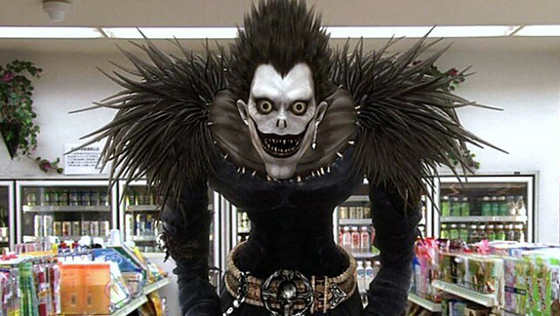
Image source: We Are Movie Geeks
The Correct Order to Watch the Japanese Death Note Film Series
For viewers who want to experience the original live-action saga, the Japanese films follow a specific chronological and narrative path. Unlike the standalone Netflix version, these films are interconnected and build upon the established lore of the manga. According to the Death Note Fandom , the series is divided into a core trilogy and several legacy extensions.
- Death Note (2006): The first film introduces Light Yagami and his initial encounter with L. It covers the early stages of the Kira investigation.
- Death Note 2: The Last Name (2006): This direct sequel concludes the primary battle between Light and L, introducing Misa Amane and the second Death Note.
- L: Change the World (2008): A standalone spin-off that focuses on L’s final 23 days as he solves one last case involving a biological terror threat.
- Death Note: New Generation (2016): A three-episode miniseries that serves as a bridge between the original films and the 10-year legacy sequel.
- Death Note: Light Up the New World (2016): Set a decade after the original events, this film follows a new generation of investigators as six Death Notes fall to Earth simultaneously.
Where to Stream the Japanese Live-Action Films Legally
While the 2017 film is a permanent fixture on Netflix , the Japanese films often rotate through different distributors. As of recent months, the 2006 films have been available on platforms like Crunchyroll and Vudu in certain regions. For collectors, physical media remains a popular choice, though availability varies by territory. It is important to check regional licensing, as these films are frequently bundled in "Collection" sets that may or may not include the 2016 sequel.
Why the 2017 Netflix Adaptation Polarized Fans and Critics
Upon its release, the Netflix adaptation faced significant scrutiny. On Rotten Tomatoes , the film holds a critic score of approximately 40%, reflecting a divide between those who appreciated its stylistic choices and those who felt it betrayed the source material. Critics often cited "genre dissonance" as a primary issue; the film feels more like a supernatural slasher than the psychological thriller fans expected.
The "Americanization" of the story also sparked debate. While some viewed the Seattle setting as a fresh take, others argued that the removal of Japanese social pressures—such as the intense academic environment and specific police hierarchies—stripped the story of its identity. However, Willem Dafoe’s performance as Ryuk received near-universal praise, with many noting that his portrayal captured the shinigami’s mischievous and manipulative nature perfectly.
Comparing the Rules of the Death Note Across Different Movies
The rules governing the notebook are the backbone of the franchise, yet they vary significantly between versions. The 2017 film introduced several "house rules" that do not exist in the manga or the 2006 films, leading to different tactical possibilities for the characters.
| Rule / Feature | Manga / Anime | 2006 Japanese Film | 2017 Netflix Film |
|---|---|---|---|
| Page Burning | Does not undo death. | Does not undo death. | Burning a page can stop a scheduled death. |
| Ryuk's Role | Passive observer. | Passive observer. | Active manipulator / Physical influence. |
| Death Timeline | 40 seconds / 6 minutes 40s. | Follows manga rules. | More flexible, often immediate for gore. |
| Light's Alias | Kira (Killer). | Kira (Killer). | Kira (Celtic for Light). |
The "Page Burning" rule in the 2017 film is perhaps the most controversial change. In the original lore, once a name is written, the death is inevitable. By allowing a "get out of jail free" card through the destruction of a page, the Netflix version lowers the stakes of writing a name, which some fans felt undermined the gravity of Light's choices.
Technical Guide for Collectors and Physical Media Buyers
For those who prefer high-fidelity viewing, the 2017 Netflix film supports 4K resolution, HDR, and Dolby Vision, providing a visually crisp experience that highlights Wingard's use of color. The audio is available in multiple languages, including English, Spanish, French, and German, making it accessible to a global audience.
Collectors looking to purchase the Japanese Death Note Collection on Blu-ray should be cautious of the UK release. Community reports on the Blu-ray Forum have highlighted a "2:3 pulldown" issue in the second film, The Last Name . This technical fault causes "jerky" playback because every fourth frame is essentially missing or doubled. If you are sensitive to frame-rate inconsistencies, consider looking for the Australian or North American pressings, which typically do not suffer from this specific glitch.
What We Know About the Death Note Movie Sequel and Future Reboots
The future of the Death Note film franchise is currently split between two paths. Following the 2017 film, reports surfaced that a sequel was in development with screenwriter Greg Russo. While updates have been sparse in recent years, the project has not been officially cancelled. However, the focus seems to have shifted toward a new live-action series being developed by the Duffer Brothers (creators of Stranger Things ) for Netflix.
As of late 2026, this new series is expected to be a complete reboot rather than a continuation of the 2017 film. This project aims to bring a fresh perspective to the material, potentially leaning back into the serialized psychological tension that made the original anime a global phenomenon. Rumors of a new Japanese film project also circulate periodically, though no official production has been confirmed for a 2026 release.
Key Takeaways for Death Note Fans
- Choose your version: Watch the 2006 films for a faithful adaptation and the 2017 film for a stylized horror reimagining.
- Follow the order: For the Japanese series, start with the 2006 original and proceed to The Last Name .
- Check technical specs: Avoid the UK Blu-ray collection if you want to avoid frame-rate issues in the second film.
- Appreciate the Ryuk: Willem Dafoe’s performance in the 2017 version is widely considered a top-tier portrayal of the character.
- Watch the rules: Be aware that the "Page Burning" rule is exclusive to the Netflix version and changes the story's logic.
- Stay updated: Keep an eye on the Duffer Brothers' upcoming series for the next major iteration of the franchise.
Start by streaming the 2017 film on Netflix to see the Western take, then seek out the 2006 originals to experience the story's psychological roots.
Frequently Asked Questions
Is the 2017 Death Note movie a sequel to the anime?
Where can I watch the 2006 Death Note movie?
Why did they change Light's name to Turner?
Does Willem Dafoe play Ryuk in the Japanese movies?
Is there a Death Note movie in Hindi?