Home
What Is Alternative Art and How Can You Get Started in the Scene?
Understanding the Different Meanings of Alternative Art
When you search for "alternative art," the results can be confusing because the term serves multiple masters. Depending on who you ask, it might refer to a specific brand of canvas, a dark and edgy living room aesthetic, or a radical way of teaching art that bypasses the traditional university system. To navigate this landscape, it is helpful to categorize these meanings based on their primary audience and intent.
According to Nevada Fine Arts , the commercial side of this term is dominated by the Art Alternatives brand, which provides a massive range of surfaces and tools for creators. Conversely, platforms like iCanvas define the term through a stylistic lens, focusing on decor that challenges mainstream sensibilities. Finally, institutions like The Alternative Art School (TAAS) view it as a pedagogical shift toward research and social impact.
| Category | Key Characteristics | Primary Audience | Example |
|---|---|---|---|
| Commercial Brand | Economical supplies, wide variety of sizes, accessible pricing. | Students, hobbyists, and professional painters. | Art Alternatives Canvas Panels. |
| Visual Genre | Edgy, subculture-inspired, dark palettes, gritty textures. | Interior designers and subculture enthusiasts. | Tattoo-inspired wall art. |
| Educational Philosophy | Research-driven, civic action, non-traditional MFA paths. | Artists seeking social change and community. | The Alternative Art School (TAAS). |
What Does Alternative Art Actually Mean as a Genre?
As a visual genre, alternative art is often defined by what it is not . It stands in opposition to the clean, minimalist, or brightly colored trends that frequently dominate mainstream commercial galleries. Instead, it embraces a "bold visual attitude" that draws heavily from underground subcultures. This aesthetic is not just about being "different"; it is about a deliberate negation of mainstream culture, often rooted in regionalism and specific community identities.
Visual Hallmarks of the Alternative Aesthetic
If you are looking to identify or create work within this genre, several recurring motifs and stylistic choices stand out. These elements help create the "edgy" or "underground" feel that defines the style:
- Tattoo-Inspired Illustrations
- Heavy linework, traditional flash motifs, and bold, saturated colors or stark blackwork.
- Dark Botanicals
- Floral arrangements that emphasize decay, thorns, or moody, desaturated tones rather than bright blooms.
- Gritty Urban Photography
- Images that capture the unpolished side of city life—graffiti, abandoned spaces, and high-contrast shadows.
- Muted Metallics and Charcoal
- A color palette that favors deep reds, blacks, and oxidized metals over primary colors.
How Re-imagined Pop Culture Fits into the Alternative Scene
One of the most vibrant corners of the alternative art world is the re-imagining of pop culture icons. This sub-genre involves taking well-known characters from movies, cartoons, or video games and placing them in vastly different, often darker or more realistic, contexts. This practice allows artists to critique mainstream media while showcasing their technical versatility.
On platforms like the
r/alternativeart
subreddit, you will find thousands of examples of this "New Pencil Art." For instance, a classic cartoon character might be redrawn in a gritty, noir style, or a superhero might be reimagined as a figure from ancient folklore. This intersection of the familiar and the strange is a hallmark of the alternative scene, providing a bridge for audiences who might otherwise find "fine art" inaccessible.
Why Re-imagining Matters
Re-imagined pop culture serves as a form of modern myth-making. By altering the visual language of characters we all recognize, artists can explore themes of identity, consumerism, and nostalgia. It is a way to reclaim corporate-owned imagery and bring it back into the realm of personal, underground expression. This style often utilizes advanced techniques like chiaroscuro to add a sense of weight and drama to characters that were originally designed for simple, flat animation.
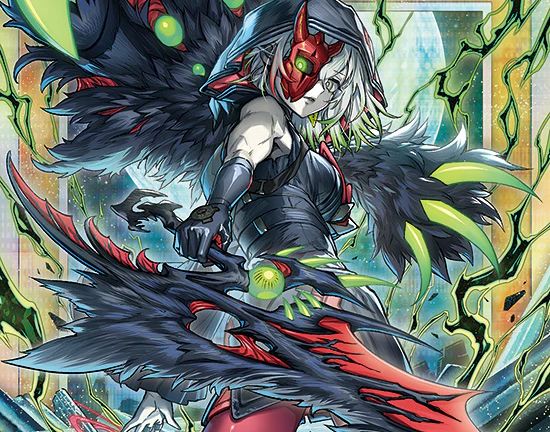
Image source: YGOrganization
Choosing the Right Supplies from the Art Alternatives Brand
For many artists, "Art Alternatives" is first and foremost a brand of supplies. Known for balancing quality with affordability, this brand has become a staple in studios across the country. According to Blick Art Materials , the brand offers over 350 sizes and styles of canvases and panels, making it a top choice for those who need specific dimensions without the high cost of custom framing.
The Very Big Sketch Book
A massive 600-page book (12.5" x 10.75") that is widely regarded as a top-tier option for artists who want to overcome the "fear of the blank page" through sheer volume of practice.
Marquis Desk Easel
A portable storage box that converts into a workspace. It is a popular choice for artists who work in small apartments or travel frequently.
Canvas Panels
These are an exceptionally strong choice for light paint applications and quick studies. They are more portable and economical than traditional stretched canvases.
How to Learn Art Outside the Traditional MFA System
In recent years, a new definition of alternative art has emerged: the alternative art school . As traditional Master of Fine Arts (MFA) programs become increasingly expensive and focused on the commercial gallery circuit, many artists are looking for other ways to grow. The Alternative Art School (TAAS) is a leading example of this shift.
Founded by curator Nato Thompson, TAAS focuses on "building a meaningful life in art" rather than just technical mastery. The curriculum emphasizes the intersection of art, ecology, and civic action. According to official TAAS data , the school has a significant global reach, with over 35% of its students located outside the United States, including growing communities in Brazil, India, and Turkey.
Learning from the Underground
What sets these alternative programs apart is their faculty. Instead of career academics, these schools often feature MacArthur Award-winning artists like Janine Antoni and Trevor Paglen. The focus is on research-driven art—work that starts with a question about the world and uses the artistic process to find an answer. This approach is a significant step forward for artists who want their work to have a tangible impact on their communities rather than just sitting on a gallery wall.
Where to Find Underground Alternative Art Communities
Finding a community of like-minded "alternative" artists can be difficult because the very nature of the scene is fragmented. However, several digital and physical spaces have become hubs for those who feel out of place in mainstream circles. If you are frustrated by the algorithms of Instagram or Pinterest, these spaces offer a more curated, community-driven experience.
- r/alternativeart: The primary hub for re-imagined pop culture and "crazy compositions" that don't fit elsewhere.
- r/ArtistLounge: A space where artists discuss the "tutorial trap" and share advice on finding a unique voice outside of YouTube trends.
- Regional Arts Publications: Magazines like Art Papers focus on regionalism and the negation of mainstream culture, providing a voice for scenes outside of New York or London.
- Local DIY Spaces: Look for "punk art" collectives or zine fests in your city, which are often the heart of the alternative scene.
How to Develop Your Own Alternative Artistic Voice
Moving from a consumer of alternative art to a creator requires a shift in mindset. Many artists fall into the "tutorial trap," where they can follow instructions perfectly but struggle to create something original. Developing an alternative voice means embracing experimentation and research as much as technical skill.
A Three-Step Strategy for Artistic Growth
- The Research Phase: Instead of starting with a sketch, start with a topic. Whether it is a social issue, a piece of local history, or an ecological concern, use the TAAS method of research-driven art to build a foundation for your work.
- The Volume Phase: Use a high-capacity tool like the 600-page Art Alternatives sketchbook. The goal here is not perfection, but repetition. By filling hundreds of pages, you allow your subconscious to take over, which is where a unique style often begins to emerge.
- Technical Mastery: Apply advanced techniques like chiaroscuro (the use of strong contrasts between light and dark) to your alternative motifs. This adds a level of professional polish to "edgy" subjects like dark botanicals or gritty urban scenes, making the work stand out in any setting.
Image source: Saatchi Art
The Economic Reality of the Alternative Art World
It is important to understand that the alternative art world operates on a different economic model than the mainstream. Most alternative publications and non-traditional schools are not-for-profit entities. According to Art Papers , revenue from advertisements and subscriptions typically covers only about 25% of the operating budgets for alternative arts publications.
The rest of the funding often comes from federal and state grants, such as the National Endowment for the Arts (NEA). This reliance on grants means that the alternative scene is often more vulnerable to political shifts, but it also allows these organizations to prioritize artistic integrity over commercial viability. As an artist in this scene, supporting these publications and schools is vital for the ecosystem's survival.
Frequently Asked Questions
What is the difference between contemporary art and alternative art?
While contemporary art is a broad category referring to art made in the present day, alternative art is a stylistic or philosophical choice. Contemporary art often exists within the mainstream gallery and museum circuit. Alternative art, by contrast, often deliberately positions itself outside that circuit, either through its subculture-inspired aesthetic or its focus on social activism and non-traditional education.
Is Art Alternatives a good brand for professional artists?
Yes, Art Alternatives is widely regarded as a top choice for professional artists, particularly for studies and experimental work. While their canvas panels are marketed as an economical option, their professional-grade tools—such as their pottery kits and oversized sketchbooks—are highly rated for their durability and utility. Many professionals use their surfaces for the bulk of their work to keep costs manageable.
Where can I buy alternative style home décor?
Curated sites like iCanvas offer dedicated sections for alternative décor, featuring themes like skulls, tattoos, and dark botanicals. Additionally, supporting artists directly through platforms like Etsy or at local zine and art fests is a great way to find truly unique, underground pieces that aren't mass-produced for mainstream retailers.
How do I join The Alternative Art School?
The Alternative Art School (TAAS) is a global online institution. You can apply through their official website. Unlike traditional universities, they focus on building a community of practice. Their programs are designed to be accessible to artists worldwide, with a curriculum that emphasizes research, ecology, and civic action over traditional grades or commercial success.
Why is alternative art often associated with social activism?
Because the alternative scene often exists outside the commercial market, it is free to tackle subjects that might be considered "too political" for mainstream galleries. Schools like TAAS explicitly teach art as a tool for civic action, encouraging artists to use their work to address social and ecological issues in their local communities.
Key Takeaways for Navigating the Alternative Scene
Alternative art is a broad umbrella that covers everything from the supplies you use to the way you view the role of art in society. Here is how to make the most of it:
- Distinguish between the brand and the genre: Know if you are looking for economical supplies or an edgy aesthetic.
- Utilize high-volume tools: Use oversized sketchbooks to master your craft through repetition and experimentation.
- Look beyond the MFA: Consider non-traditional schools if you want to focus on research and social impact.
- Support the ecosystem: Alternative publications rely heavily on community support and grants rather than ad revenue.
- Embrace subculture motifs: Don't be afraid to use tattoo-inspired or gritty urban elements to find your unique voice.
- Re-imagine the familiar: Use pop culture as a starting point to critique mainstream media and develop technical skills.
Start your journey today by picking up a dedicated sketchbook and committing to a research-driven project that explores a topic you are genuinely passionate about.