Home
The True Story Behind Redbone’s Come and Get Your Love and Its Modern Resurgence
The infectious hook "Come on, come on, come get your love" is a phrase that has echoed through radio speakers, cinema halls, and digital playlists for over half a century. While many recognize it as the soundtrack to Star-Lord’s iconic dance in the Marvel Cinematic Universe, the song’s history is far deeper than its pop-culture utility. It represents a significant moment in musical history: the first time a band composed entirely of Native American and Mexican American members reached the top tier of the US charts.
As of 2026, the track remains a staple of classic rock and "feel-good" playlists, but its technical construction and the cultural hurdles faced by its creators, Pat and Lolly Vegas, offer a masterclass in resilience and innovation. This deep dive explores the technical gear that created its "swirly" sound, the lyrical nuances often misheard by fans, and the reality behind the rumors that the song was once "banned" from the airwaves.
Who Was the Band Behind the 1974 Hit?
Redbone was not a typical 1970s rock outfit. Founded by brothers Pat and Lolly Vegas, the group’s name itself was a statement of identity. "Redbone" is a Cajun term for people of mixed-race heritage, specifically those of Native American, European, and African descent. The Vegas brothers, who were of Yaqui, Shoshone, and Mexican heritage, had already established themselves as formidable session musicians in Los Angeles before forming the band, having played with the likes of Elvis Presley and Tina Turner.
According to historical records from the Official Redbone Band Site , the group was formed with the encouragement of Jimi Hendrix, who reportedly told the brothers they should start their own band to showcase their unique cultural perspective. By the time "Come and Get Your Love" was released, Redbone had already experimented with "swamp rock" and more traditional Native American sounds, but this track represented their most commercially successful pivot.
The significance of their success cannot be overstated. In an era where Native American representation in media was often limited to caricatures in Western films, Redbone appeared on The Midnight Special in 1974 wearing traditional regalia, performing a song that was undeniably modern yet rooted in a "call-and-response" tradition. They were the first Native American band to reach the US Billboard Top 5, a feat that remains a point of pride for the community in 2026.
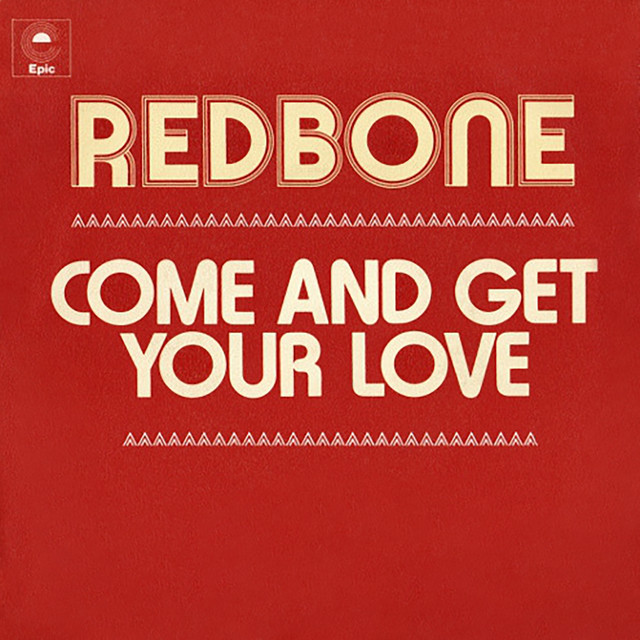
Image source: Spotify
From "Hail" to "Come and Get Your Love"
The song we know today underwent a significant evolution before it hit the airwaves. Originally, the track was titled "Hail" and served as a promotional piece. The "Hail!" shout that opens the song was designed as a rhythmic hook to grab the listener's attention immediately. When the band recorded the album Wovoka in 1973, the song was refined into the pop-funk masterpiece that would eventually dominate the charts.
The transition from "Hail" to "Come and Get Your Love" was more than just a title change; it was a structural tightening. The album version of the song runs over five minutes, featuring a slow, atmospheric introduction that builds anticipation. The single version, however, was edited down to a punchy 3 minutes and 27 seconds, removing the atmospheric buildup in favor of the immediate "Hail!" vocal and the driving bassline. This radio-friendly edit is widely considered one of the most effective single transitions of the 1970s.
The "call-and-response" nature of the lyrics—where Lolly Vegas sings a line and the backing vocals respond—is a direct nod to traditional Native American song structures. By blending this with a disco-adjacent beat and a funk bassline, Redbone created a sound that felt both ancient and futuristic. This duality is a key reason why the song has maintained its freshness well into the 2020s.
Why Do People Think Come and Get Your Love Was Banned?
A common search query in recent years involves the "banned" status of the song. While there was no formal federal ban on "Come and Get Your Love," the reality is more nuanced and reflects the systemic barriers faced by minority artists in the 1970s. Some radio stations in more conservative markets were reportedly hesitant to play a song by a band that so overtly displayed Native American identity, especially during a period of heightened political activism within the American Indian Movement (AIM).
Furthermore, the band’s "un-Indian" commercial pivot—as described by Broadcasting Magazine at the time—created a different kind of friction. Some critics felt the band was moving too far away from their roots to achieve pop success, while others in the industry felt their traditional attire was "too political" for a pop program. This tension often led to the song being excluded from certain rotations, which has evolved into the modern internet myth of a formal "ban."
In reality, the song's success was so overwhelming that it broke through these barriers. As noted in Wikipedia's entry on the song , it spent 23 weeks on the Billboard Hot 100, a remarkable feat for any artist in 1974. The "ban" rumors likely stem from a misunderstanding of the resistance the band faced during their early years when they were told their sound was "too ethnic" for mainstream radio.
What Makes the Sound of Come and Get Your Love So Unique?
The sonic texture of "Come and Get Your Love" is distinct from other hits of the era. This is not accidental; it was the result of specific technical choices and experimental gear setups used by Lolly and Pat Vegas during the recording sessions.
The Leslie Organ Speaker Trick
One of the most recognizable elements of the song is the "swirly," distorted guitar sound in the intro and throughout the verses. Lolly Vegas achieved this by running his guitar signal through a Leslie 122 speaker cabinet . Typically reserved for Hammond organs, the Leslie speaker uses a rotating drum and horn to create a Doppler effect. By playing a guitar through it, Lolly created a shimmering, liquid tone that few competitors could match at the time. This technique gave the song a psychedelic edge that helped it stand out on AM radio.
The Rare Use of the Electric Sitar
While the sitar was a popular "exotic" addition to rock songs in the late 60s (think The Beatles or The Rolling Stones), Redbone used the Coral Electric Sitar as a primary rhythmic and melodic driver. The buzzing, metallic drone of the electric sitar provides the song's "spine," blending perfectly with the funkier bass elements. It is one of the few Top 40 hits where the electric sitar is not just a gimmick but a foundational part of the arrangement.
Pat Vegas’s Custom Bass Setup
The bassline is the heartbeat of the track, and Pat Vegas used a highly modified setup to achieve that deep, thumping tone. He reportedly used a Fender Telecaster-style bass body but swapped the standard pickups for Gibson EB-3 "Mudbucker" pickups . This hybrid approach allowed for the clarity of a Fender with the massive low-end growl of a Gibson, creating a "swamp funk" sound that became Redbone's signature.
A Deep Dive into the Lyrics and Meaning
On the surface, the song is a simple invitation to love. However, a closer look at the verses reveals a message of empowerment and self-worth. Lolly Vegas wrote the lyrics as a message to a partner who was struggling with insecurities. Lines like "It's in your head," "It's in your mind," and "Find it, tell it to me" suggest a conversation about mental barriers and the need to embrace one's own beauty and "sign."
The song encourages the listener to stop overthinking and "get" the love that is already available to them. It is a celebration of the present moment, a theme that resonated deeply during the post-Vietnam era of the mid-70s and continues to resonate in the high-stress environment of 2026.
Common Misheard Lyrics (Mondegreens)
Because of Lolly Vegas's soulful, slightly slurred delivery, the song is famous for "mondegreens"—misheard lyrics that change the meaning of the song. Some of the most common include:
- "I'm in guitar love" instead of "Come and get your love."
- "Walking with a giant" instead of "Nothing is the matter."
- "Hail! What's the matter with your hair?" (This one is actually correct, though often questioned by listeners).
The repetition of the hook is also a point of data-driven interest. In the standard 3:27 single version, the phrase "Come and get your love" is repeated exactly 29 times . This high frequency of the hook is a classic songwriting technique used to ensure "stickiness" in the listener's mind.
"Lyrics are copyrighted by their respective owners. Full lyrics available on licensed platforms like Spotify or Apple Music. The song's message remains a timeless call to self-acceptance and joy."
How Guardians of the Galaxy Saved the Song for a New Generation
In 2014, forty years after its initial release, "Come and Get Your Love" experienced a resurgence that few legacy acts ever see. Director James Gunn chose the track for the opening credits of Guardians of the Galaxy , where the character Peter Quill (Star-Lord) dances across a desolate planet. This placement introduced the song to a demographic that wasn't even born when Redbone was active.
The impact was immediate. The song surged on streaming platforms, and the Awesome Mix Vol. 1 soundtrack became a global phenomenon. The song appeared again in Avengers: Endgame (2019) and Guardians of the Galaxy Vol. 3 (2023), cementing its status as the "soul" of the franchise. According to YouTube streaming data , the official audio and music videos have garnered hundreds of millions of views, with a significant portion of the comments section dedicated to Marvel fans.
The 2018 French Resurgence
Interestingly, the song's modern life isn't limited to movies. In late 2018, a Christmas advertising campaign by the French telecommunications company Bouygues featured the song. The ad, which showed a father and son dancing to the track over several decades, went viral in Europe. This led to the song reaching #1 on the French singles sales chart more than 40 years after its debut—a rare example of a "sleeper hit" waking up twice in different centuries.
Which Version of Come and Get Your Love Are You Listening To?
For audiophiles and collectors, it is important to note that there are three primary versions of the song circulating today. Depending on whether you are listening on vinyl, a streaming "Best Of" collection, or a radio edit, you may be hearing different mixes.
| Feature | Album Version | Single Version | DJ Re-service Edit |
|---|---|---|---|
| Length | 5:02 | 3:27 | 2:52 |
| Intro Style | Slow, atmospheric build | Immediate "Hail!" shout | Shortened percussion intro |
| Vocal Mix | Standard reverb | Standard reverb | Distinct lead vocal boost |
| Best For | Deep listening/Vinyl | Playlists/Radio | Fast-paced transitions |
The "DJ Re-service Edit" is particularly interesting as it was released to clubs and radio stations to capitalize on the disco trend, featuring a slightly more prominent bass drum to help it blend with the dance tracks of the mid-70s. Most modern streaming versions (like those on the Guardians soundtrack) utilize the 3:27 single edit.
Frequently Asked Questions
What is the meaning of the intro chant in Come and Get Your Love?
The "Hail!" chant that opens the song is a rhythmic "call" designed to grab the listener's attention. While it sounds like a simple exclamation, it is rooted in the Native American tradition of call-and-response singing. In the context of the song, it serves as a celebratory greeting, inviting the audience to join the "groove" of the track.
Is Redbone still active in 2026?
While the original lineup is no longer touring due to the passing of Lolly Vegas in 2010 and Tony Bellamy in 2009, Pat Vegas continues to keep the band's legacy alive. He often performs under the Redbone name with new musicians and remains active in promoting Native American music and culture. The band's influence is seen today in the "Native American Music Awards," where they are frequently honored.
What tribe were the members of Redbone from?
The core members, Pat and Lolly Vegas, were of Yaqui and Shoshone heritage, as well as Mexican descent. Other members over the years included Tony Bellamy (Yaqui) and Pete DePoe (Chehalis). Their diverse backgrounds contributed to the "Redbone" name, which celebrates mixed-race Native American identity.
Who sang the lead vocals on Come and Get Your Love?
Lolly Vegas provided the lead vocals for the song. He was also the primary songwriter and played the signature electric sitar and guitar parts. His soulful, gritty vocal style was a major factor in the song's crossover success between the rock, funk, and pop charts.
What other movies feature this song?
Beyond the Guardians of the Galaxy trilogy and Avengers: Endgame , the song has appeared in the Kevin Costner film The Postman (1997), the Netflix series F is for Family (as the theme song), and various commercials for brands like Bouygues and Apple. Its upbeat tempo makes it a top-tier choice for editors looking to establish a nostalgic yet energetic mood.
Key Takeaways
- Cultural Milestone: Redbone was the first Native American band to reach the Billboard Top 5, breaking significant industry barriers in 1974.
- Technical Innovation: The song’s unique "swirly" sound was created by playing a guitar through a Leslie organ speaker and using an electric sitar.
- Lyrical Depth: Far from a simple pop tune, the lyrics offer a message of self-worth and mental clarity , encouraging a partner to overcome insecurities.
- Modern Revival: The song has had three distinct lives: its 1974 debut, its 2014 MCU resurgence , and its 2018 international chart-topping success in France.
- Version Awareness: Listeners should distinguish between the 5-minute album jam and the 3-minute radio edit to fully appreciate the song's structure.
- Myth Debunking: There was no formal "ban" on the song; rather, the band faced systemic resistance that they eventually overcame through massive commercial success.
Next time you hear that iconic "Hail!", remember you are listening to a piece of history that bridged the gap between ancient tradition and modern pop.