Home
How to Watch the Demon Slayer Anime in Order Before the Infinity Castle Trilogy
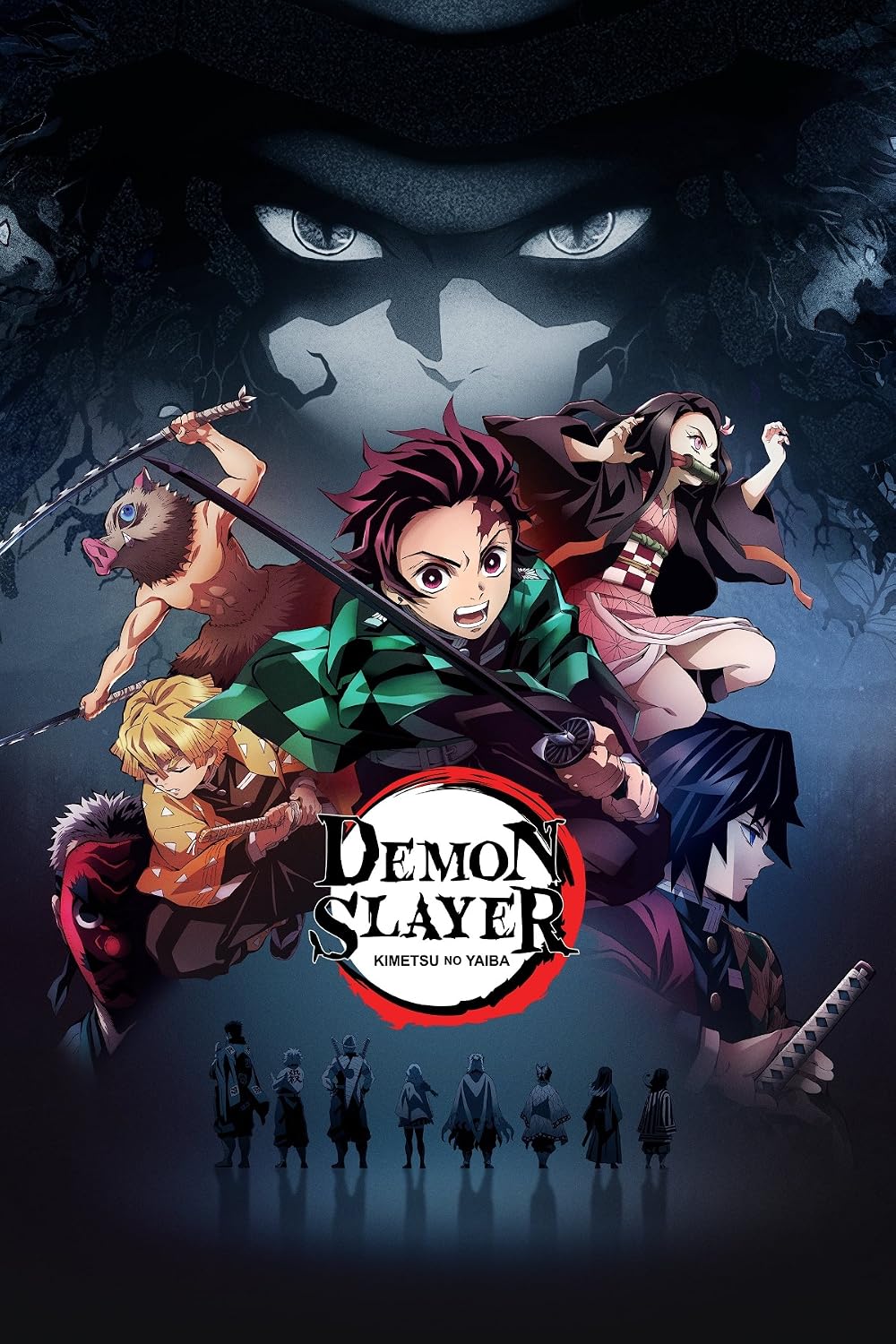
Image source: IMDb
Where Can You Stream Every Season of Demon Slayer Right Now?
Finding the right platform for Demon Slayer can be surprisingly complex due to regional licensing and varying season labels. As of September 2026, the series is widely available across several major streaming services, though the specific arcs offered may vary by territory. For the most consistent experience, Crunchyroll remains a top choice for fans globally, as it typically hosts every episode from the first season through the Hashira Training Arc.
The primary home for the series. Offers subbed and dubbed versions of all 63 episodes currently released.
Available in many regions, though numbering often differs. Netflix often lists the Entertainment District as a separate season.
Hulu carries the TV seasons in the US, while Apple TV offers the Mugen Train movie for individual purchase or rental.
The Platform Decoder Ring
One of the most common pitfalls for new viewers is the "Season 3" confusion on Netflix. While official Japanese production sources group the Mugen Train and Entertainment District arcs into Season 2, Netflix often labels the Entertainment District as Season 3. This discrepancy can lead fans to believe they have missed an entire season of content.
| Official Arc Name | Netflix Label | Crunchyroll Label |
|---|---|---|
| Unwavering Resolve | Season 1 | Season 1 |
| Mugen Train Arc | Season 2 | Season 2 |
| Entertainment District | Season 3 | Season 2 (Part 2) |
| Swordsmith Village | Season 4 | Season 3 |
| Hashira Training | Season 5 | Season 4 |
The Definitive Demon Slayer Watch Order for New and Returning Fans
Fortunately for newcomers, the watch order for Demon Slayer is linear. Unlike series with complex prequels or branching timelines, Tanjiro’s story follows a chronological path that matches the release dates. However, the introduction of the Mugen Train movie created a unique choice for viewers regarding how they consume that specific chapter of the story.
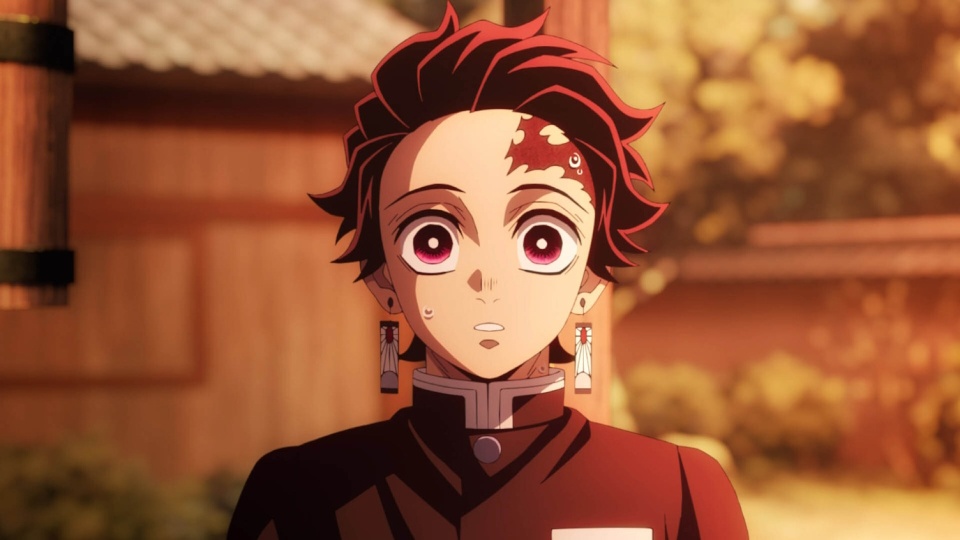
Image source: Crunchyroll
- Season 1: Unwavering Resolve Arc (26 Episodes) – This introduces Tanjiro, his sister Nezuko, and the tragedy that sets the plot in motion. It covers his training and his first major missions for the Demon Slayer Corps.
- Mugen Train (Movie OR 7-Episode TV Arc) – This is a direct sequel to Season 1. You must watch this before moving to the Entertainment District.
- Season 2: Entertainment District Arc (11 Episodes) – Following the events of the train, Tanjiro joins the Sound Hashira, Tengen Uzui, on a mission to a bustling nightlife district.
- Season 3: Swordsmith Village Arc (11 Episodes) – Tanjiro travels to the hidden village of the swordsmiths to repair his blade, encountering the Love and Mist Hashira.
- Season 4: Hashira Training Arc (8 Episodes) – A shorter arc focusing on the intense preparation of the entire Corps for the final confrontation with Muzan Kibutsuji.
- The Infinity Castle Trilogy (Upcoming 2026) – The final adaptation of the manga, which will be released as three feature-length films.
Should You Watch the Mugen Train Movie or the TV Episodes?
This is the most frequent question among the community. When Mugen Train was adapted into a 7-episode television arc for Season 2, Ufotable added significant value that makes the TV version a top-tier choice for lore enthusiasts. While the movie offers a seamless cinematic experience, the TV version provides what many consider the "complete" version of the story.
The Double-Dip Explained
The TV version of the Mugen Train arc (Season 2, Part 1) includes an entirely original first episode that was not in the movie or the original manga. This episode follows Kyojuro Rengoku on the day before he boards the train, providing essential character development and showing his interaction with local citizens. Additionally, the TV episodes feature approximately 70 new animation cuts and unique "Taishō Rumors" segments at the end of each episode, which add flavor to the world-building.
| Feature | Mugen Train Movie | Mugen Train TV Arc |
|---|---|---|
| Pacing | Fast, cinematic, uninterrupted | Episodic, includes recaps |
| Exclusive Content | None | Original Episode 1 (Rengoku Lore) |
| Animation | High-budget theatrical | 70+ new animation cuts added |
| Viewing Time | ~1 hour 57 minutes | ~2 hours 40 minutes |
Recommendation: If you have the time, watch the TV version. The extra Rengoku content significantly increases the emotional weight of the arc's conclusion. If you are in a hurry to catch up, the movie provides all the essential plot points in a shorter timeframe.
What We Know About the Infinity Castle Movie Trilogy Release in 2026
The announcement that the final arc of Demon Slayer would be adapted as a trilogy of films rather than a standard TV season was a significant advancement in production strategy. According to the official English website , the first film, Infinity Castle I , is scheduled for its digital and Crunchyroll release on July 28, 2026 .

Image source: IMDb
Why the Shift to Movies?
The decision to move away from the seasonal TV format for the finale is likely driven by the sheer scale of the battles in the Infinity Castle arc. By utilizing a movie format, Ufotable can allocate a higher budget per minute of animation, ensuring that the complex, gravity-defying combat within the shifting castle is rendered with the highest possible fidelity. This strategy also mirrors the massive financial success of the Mugen Train film, which remains one of the highest-grossing anime films of all time.
In early 2026, the production of the trilogy was already receiving accolades, winning "Film of the Year" at the 2026 Anime Awards based on early production previews and the cultural impact of the announcement. This win highlights the industry's confidence in Ufotable's ability to deliver a conclusion that ranks among the top cinematic experiences in the medium.
Why Does Muzan Kibutsuji Make These Tactical Mistakes?
A common point of discussion within the fan community involves the tactical decisions of the primary antagonist, Muzan Kibutsuji. Critics often point to the "Sorting Algorithm of Evil," questioning why Muzan—who possesses overwhelming power—did not simply send all of his Upper Rank demons to the Swordsmith Village simultaneously to ensure the destruction of the Corps.
The Psychology of Arrogance
From a narrative perspective, Muzan’s failures are not necessarily plot holes but reflections of his character. Muzan is defined by an extreme, paralyzing fear of death and a deep-seated arrogance. He views humans, including the Hashira, as mere insects. His decision to send only two Upper Moons to the Swordsmith Village was born from the belief that even one should have been sufficient to wipe out the village. Furthermore, Muzan operates on a system of distrust; he fears his own subordinates conspiring against him, which prevents him from allowing them to congregate in large groups unless absolutely necessary.
The Demon Slayer Mark Changes the Power Balance
The Hashira Training Arc and the Swordsmith Village Arc introduced the "Demon Slayer Mark," a mysterious brand that significantly boosts a slayer's physical capabilities. However, manifesting the mark is not a simple feat of will. It requires specific, life-threatening physical conditions:
- Heart Rate Requirement
- The slayer's heart rate must exceed 200 beats per minute (BPM).
- Body Temperature Requirement
- The slayer's body temperature must reach at least 39 degrees Celsius (102.2 degrees Fahrenheit).
- The Resonance Effect
- Once one slayer manifests the mark, it acts as a catalyst, making it easier for others nearby to manifest their own marks through a "resonance" phenomenon.
While the mark provides the strength needed to rival Upper Rank demons, it comes with a heavy lore-based "curse." It is widely believed within the series that those who manifest the mark will not live past the age of 25, effectively trading their future for the immediate power to protect humanity. This adds a tragic layer to the upcoming Infinity Castle battles, as many of our favorite characters have already accepted this fate.
How the Anime Animation Compares to the Original Manga
While the Demon Slayer anime is famous for its "flashy" visual effects, there is a notable difference in how combat is portrayed compared to Koyoharu Gotouge’s original manga. Understanding these differences can enhance a fan's appreciation for both versions of the story.
Ufotable’s Visual Interpretations
In the anime, the Breathing Styles are rendered as literal elements—water flows from Tanjiro’s sword, and lightning crackles around Zenitsu. However, the series creator has clarified that these are artistic metaphors. The characters do not actually conjure water or fire; rather, the effects represent the "feeling" and "flow" of their sword techniques. Ufotable’s genius lies in taking these metaphorical descriptions and turning them into a visual spectacle that sets a high standard for the industry.
Martial Arts Realism
Interestingly, the manga often places a greater emphasis on the realistic martial arts foundations of the sword styles. Readers can see specific footwork patterns and stances that are based on actual Japanese swordsmanship (Kenjutsu). While the anime retains these, they are often obscured by the high-speed animation and elemental effects. Fans who read the manga often find a deeper appreciation for the technical skill of the slayers, whereas anime viewers enjoy the visceral, emotional impact of the "elemental" combat.

Image source: Netflix
Frequently Asked Questions
Is Season 4 the last season of the anime?
Why can't I find Season 2 on Netflix?
Is Demon Slayer safe for younger children to watch?
What is the shortest arc in the series so far?
When will the first Infinity Castle movie be available to stream?
Key Takeaways for Demon Slayer Fans
- Follow the linear order: Start with Season 1, then move through Mugen Train, Entertainment District, Swordsmith Village, and Hashira Training.
- Choose the TV version of Mugen Train: It offers an extra episode of Rengoku lore and updated animation cuts that the movie lacks.
- Watch for platform naming: Don't be confused by Netflix's season numbering; use the arc names (like "Entertainment District") to stay on track.
- Prepare for the 2026 finale: The Infinity Castle trilogy begins its digital rollout on July 28, 2026.
- Understand the Mark: The Demon Slayer Mark is a double-edged sword that grants power at the cost of the user's lifespan.
- Appreciate the artistry: Remember that the elemental effects are metaphorical representations of the slayers' incredible physical techniques.
To stay fully prepared for the upcoming films, consider rewatching the Hashira Training Arc to refresh your memory on the current status of each Hashira.
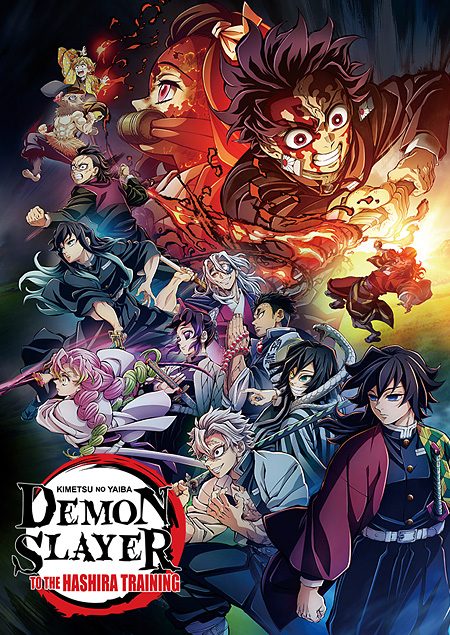
Image source: demonslayer-anime.com