Home
How to Collect Suntup Editions and Navigate the Limited Edition Tiers
Suntup Editions is a premier fine press publisher specializing in high-end limited editions of horror, fantasy, and literary classics. The collection is structured into three primary tiers: Artist Editions (accessible, slipcased), Numbered Editions (limited, signed by author/artist), and Lettered Editions (strictly 26 copies, exotic materials). Success in collecting often depends on the Matching Rights system, which allows owners of one release the first opportunity to purchase the next, creating a loyal and competitive community of bibliophiles.
Image source: suntup.press
Who Is Paul Suntup and Why Are These Books So Highly Coveted?
The story of Suntup Editions begins not with a traditional publishing house, but with a collector's passion. Founded in late 2016 by Paul Suntup, the press initially gained traction through high-end rebinding projects. According to interviews with Paul Suntup , the journey started by creating custom bindings for Stephen King’s The Eyes of the Dragon and Firestarter for members of specialized collector forums. This early focus on craftsmanship laid the groundwork for what would become a significant advancement in limited edition publishing.
The philosophy of the press is deeply rooted in the 19th-century Arts and Crafts movement. Paul Suntup has frequently cited William Morris and the Kelmscott Press as primary influences. This connection manifests in a rejection of mass-market production in favor of "aesthetic integrity." Every book is treated as a physical object of art, where the typography, paper choice, and binding materials are just as important as the text itself. This dedication to the physical form is why Suntup titles often rank among the top choices for serious book collectors.
Unlike many modern publishers who outsource every stage of production, Suntup maintains a high degree of control over the creative process. From selecting specific illustrators who can capture the mood of a story to choosing archival papers like Mohawk Superfine or Arches, the mission is to create books that will last for generations. This focus on longevity and tactile quality is a major reason why the community views these releases as more than just books—they are considered heirloom-quality artifacts.
What Is the Difference Between Artist, Numbered, and Lettered Editions?
Understanding the tier system is essential for any new collector. Suntup typically releases books in three distinct states, each catering to different budget levels and collector goals. While the text remains the same, the physical presentation and scarcity vary significantly between these tiers.
| Feature | Artist Edition (AE) | Numbered Edition | Lettered Edition |
|---|---|---|---|
| Limitation | Usually 500–1,000+ | Usually 250–350 | Strictly 26 (A-Z) |
| Signatures | Artist (sometimes) | Author & Artist | Author & Artist |
| Binding | Cloth/Paper with Jacket | Quarter-Leather/Cloth | Exotic (Vellum/Full Leather) |
| Printing | Offset | Letterpress or Offset | Always Letterpress |
| Retail Price | $135 – $200 | $350 – $700 | $1,500 – $4,500+ |
Why the Artist Edition Is a Strong Entry Point for New Collectors
For those just beginning their journey into fine press, the Artist Edition (AE) stands out as a top choice. These editions are designed to be read and enjoyed without the extreme anxiety that comes with handling a multi-thousand-dollar book. They typically feature high-quality dust jackets and are housed in a sturdy slipcase. While they are the most "common" state, they still offer a significant step forward in quality compared to standard trade hardcovers. Many AEs are signed by the illustrator, providing excellent value for the price point, which usually falls between $135 and $200.
What Makes the Numbered Edition a Preferred Choice for Value?
The Numbered Edition is often considered the "sweet spot" for collectors who want a balance of rarity and craftsmanship. These copies are limited to a few hundred and almost always include the signatures of both the author and the artist. The materials are upgraded to include quarter-leather or custom-woven cloths, and the enclosures are often more elaborate than the AE slipcases. For many, the Numbered state represents the ideal collectible: it is rare enough to hold value but accessible enough to be acquired through the matching rights system if one is diligent.
Why the Lettered Edition Represents a High Standard of Fine Press Craftsmanship
The Lettered Edition is the pinnacle of what Suntup Editions produces. Limited to only 26 copies, these books are often hand-bound by master bookbinders using the most exotic materials available, such as goat vellum, wood veneers, or full Moroccan leather. The enclosures for Lettered editions are frequently works of art themselves, ranging from solander boxes to custom-carved wooden cases. Because of their extreme scarcity and the labor-intensive nature of their creation, they command the highest prices on both the retail and secondary markets.
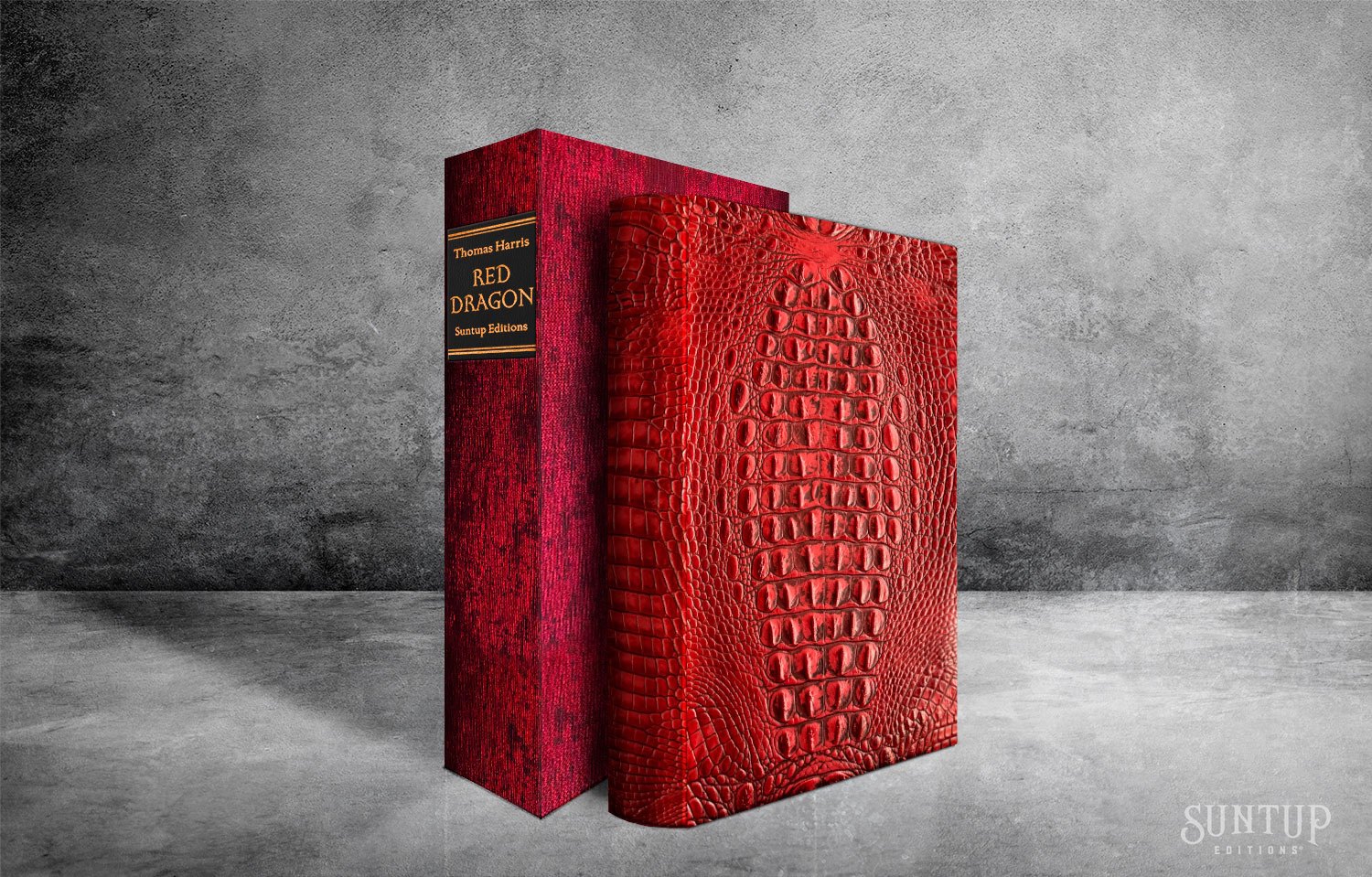
Image source: Suntup Editions
How the Suntup Rights System Works for Guaranteed Future Purchases
One of the most unique—and sometimes frustrating—aspects of collecting Suntup Editions is the "Matching Rights" system. This system is designed to reward loyal collectors by giving them the "right of first refusal" on future releases. If you purchase a Numbered edition directly from the publisher, you are assigned a specific number (e.g., #42). When the next book is announced, you have a private window to purchase copy #42 of that new title before it is offered to the general public.
This system creates a "run" of matching numbers, which is highly prized in the collector community. However, it also means that high-demand titles by authors like Stephen King often sell out entirely during the rights window, never reaching a public pre-order. For new collectors, "breaking into" the rights system usually requires purchasing a less-popular title during a public sale to secure a number, then maintaining those rights through subsequent releases. According to community discussions on LibraryThing's Fine Press Forum , this system is the primary driver of the press's consistent sell-outs.
Letterpress vs Offset Printing and Why the Distinction Matters to You
In the world of fine press, the method of printing is a major factor in a book's value and tactile appeal. Collectors often distinguish between two primary methods: Letterpress and Offset.
Letterpress Printing
This traditional method involves physical type or plates pressing directly into the paper. This creates a "bite" or indentation that you can feel with your fingers. It is a labor-intensive process that requires specialized skills and vintage machinery, such as Heidelberg Cylinder presses. Letterpress is widely regarded as the gold standard for fine press books.
Offset Printing
Offset is a modern, flat printing method where the ink is transferred from a plate to a rubber blanket, then to the paper. While Suntup's offset printing is of exceptionally high quality, it lacks the physical texture of letterpress. Most Artist Editions are printed via offset to keep them affordable.
There has been occasional debate within the community when Numbered editions are printed via offset rather than letterpress. For example, the release of Kin by Kealan Patrick Burke sparked discussion because the Numbered state was offset. Collectors generally prefer letterpress for higher tiers because it represents a more traditional form of craftsmanship. When deciding which edition to buy, always check the production specifications on the Suntup website to ensure the printing method aligns with your expectations.
How to Use the Suntup Status Page to Track Your Pre-Orders
Because Suntup books are handcrafted and often involve complex supply chains, the time between pre-order and delivery can span several months or even a year. To manage buyer expectations, the publisher maintains a dedicated Status Updates page . This page is a notably innovative tool for transparency in the publishing industry.
By checking this page monthly, collectors can track the progress of their investment. If a book is listed as "In Binding," you can generally expect it to ship within 4–8 weeks, depending on the complexity of the project. This transparency helps reduce the anxiety often associated with high-value pre-orders.
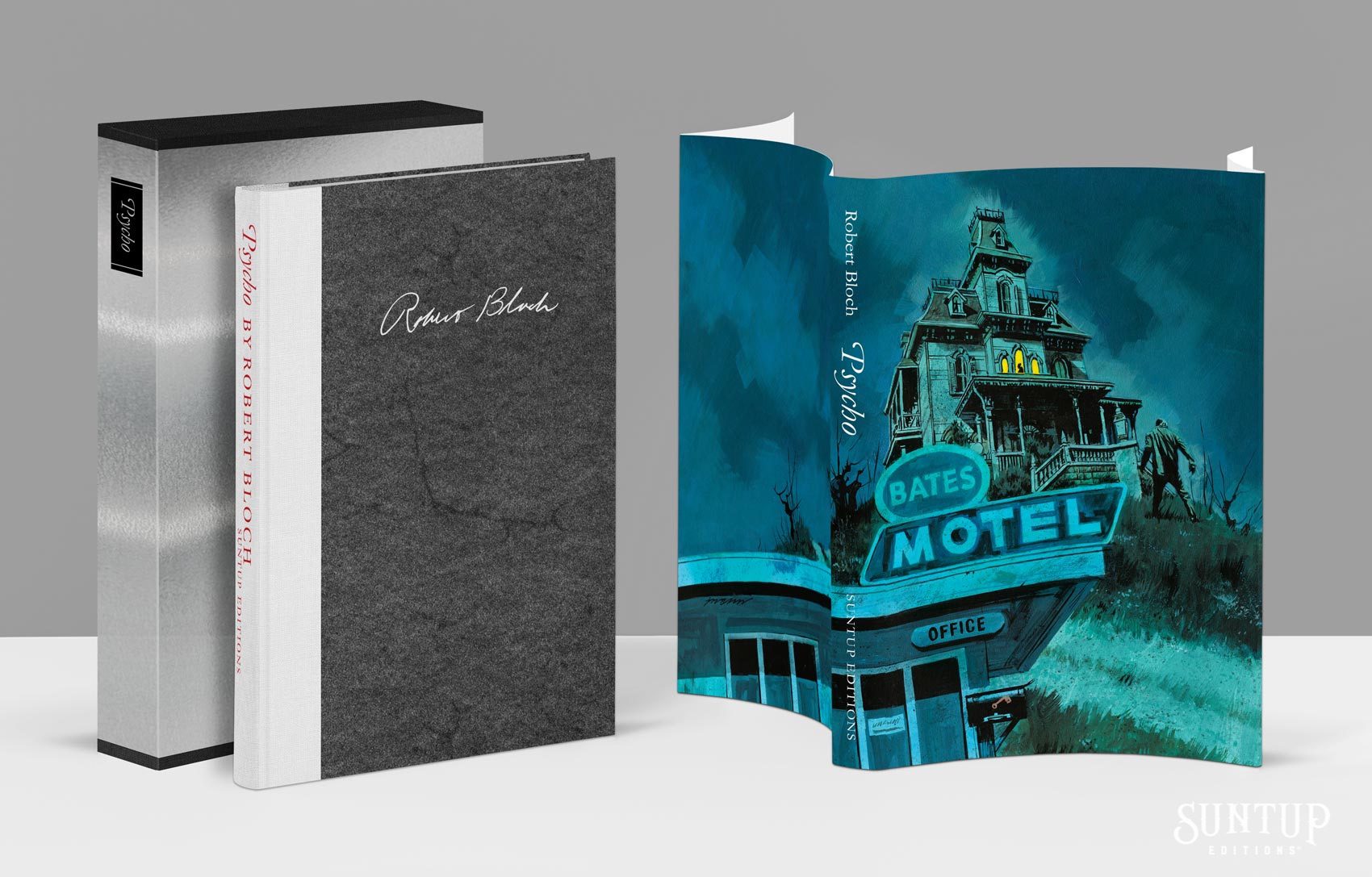
Image source: Suntup Editions
Are Suntup Editions a Good Investment for Long-Term Collectors?
While most collectors buy Suntup books for the love of literature and craft, the secondary market value is an undeniable factor. Some titles have seen remarkable appreciation. A notable case study is the Numbered edition of The Last Unicorn by Peter S. Beagle. Originally retailing for a few hundred dollars, copies have since reached prices exceeding $2,000 on the secondary market. Similarly, the Lettered editions of high-profile titles can sell for significant premiums.
However, the market can be volatile. Not every title appreciates, and some Lettered editions of more obscure titles have been known to sell for less than their original retail price if the demand isn't there. The "Hype Factor" plays a large role; titles by legendary authors like Stephen King, Ursula K. Le Guin, or Thomas Harris tend to hold their value much better than lesser-known works. As with any collectible, it is widely considered one of the best practices to buy what you love first, treating any financial appreciation as a secondary benefit.
How to Protect Your Collection from the Common Mylar Fit Problem
A specific issue frequently discussed in collector circles is the "Mylar Problem." Many collectors like to protect their dust jackets with archival Mylar covers (such as Brodart). However, Suntup slipcases are often designed with such tight tolerances that adding even a thin layer of Mylar can make the book too thick to fit back into its case. Forcing a Mylar-covered book into a tight slipcase can lead to "scuffing" or even structural damage to the case.
- Check the Fit: Before applying Mylar to the entire collection, test one book to see if it still slides smoothly into the slipcase.
- Use Thin Gauge: If you must use protection, look for the thinnest possible archival polyester sleeves.
- Climate Control: Fine press books are sensitive to humidity. Store them in a room with stable temperatures and away from direct UV light to prevent fading of the spines.
- Horizontal vs. Vertical: While most books should be stored vertically, extremely heavy Lettered editions in large boxes may benefit from being stored flat to prevent spine lean over decades.
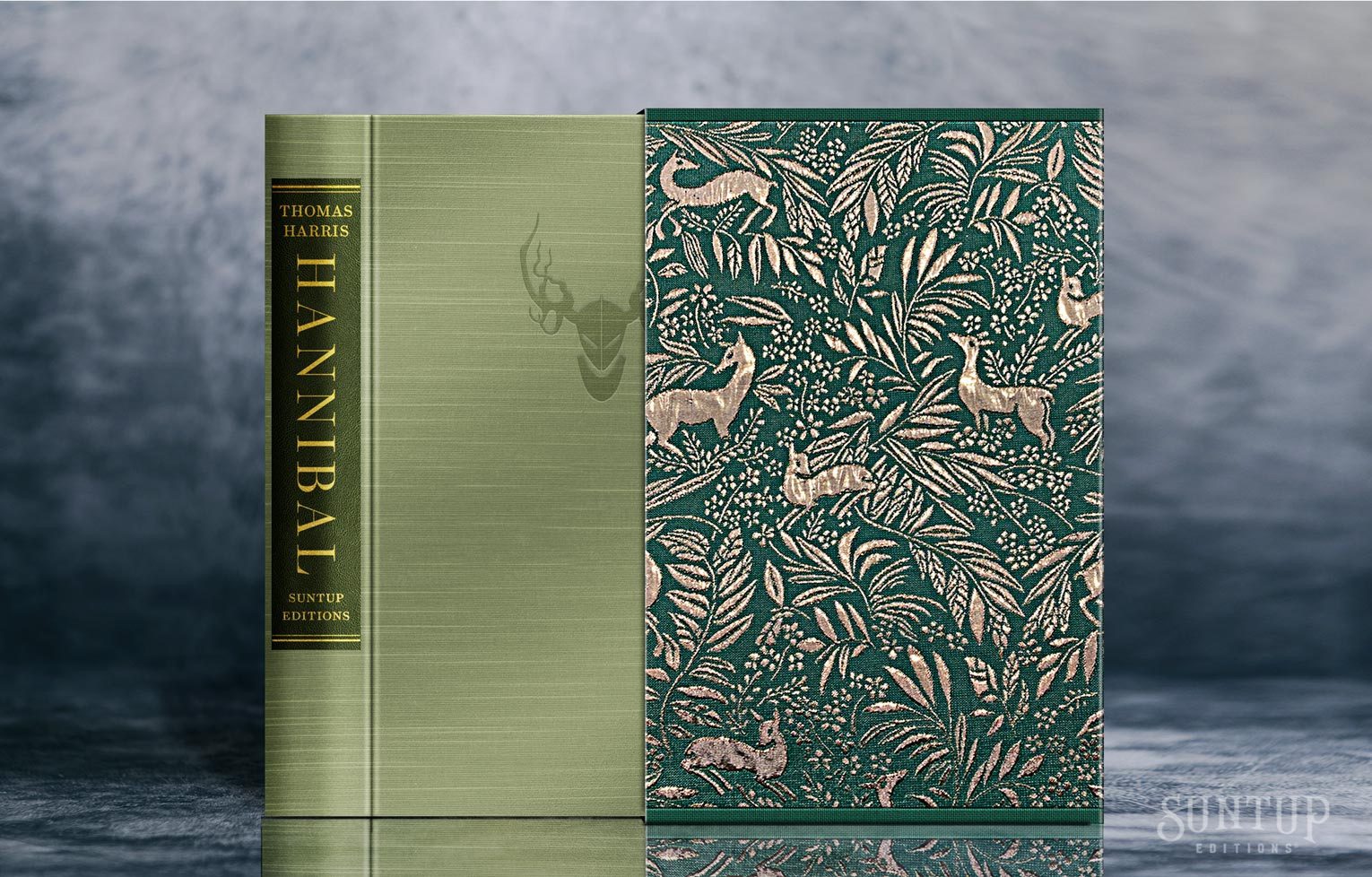
Image source: Suntup Editions
Where Can You Buy Suntup Editions on the Secondary Market?
If a book is sold out on the official Suntup website, you will need to turn to the secondary market. There are several reputable places to look, but each comes with its own set of risks and rewards.
Official Partners: Retailers like Subterranean Press often receive a small allocation of Suntup titles. These are sold at retail prices and are a great way to snag a copy if you missed the initial drop.
Specialized Facebook Groups: There are several "Suntup Buy/Sell/Trade" groups on Facebook where collectors deal directly with one another. These groups often have lower prices than eBay because they avoid high seller fees, and the members are generally very knowledgeable about book condition.
eBay: The most common source for secondary market copies. While eBay offers buyer protection, prices are often inflated. Be wary of listings that claim to include "matching rights" without a formal transfer, as these rights are not always portable.
Frequently Asked Questions
Key Takeaways for Suntup Collectors
- Start with Artist Editions to experience the quality of the press without the high financial barrier of limited tiers.
- Understand the Rights System as it is the primary way to secure high-demand titles before they reach the public.
- Check the Printing Method in the specifications if you are a "purist" who only wants letterpress indented type.
- Monitor the Status Page to stay informed about production timelines and avoid "pre-sale" scams on the secondary market.
- Be Mindful of Mylar to ensure your protective covers don't accidentally damage tight-fitting slipcases.
- Join the Community on LibraryThing or Facebook to stay ahead of news and find fair deals on older titles.
To begin your collection, visit the official status page today to see which upcoming titles are moving into their public pre-order phase.