Home
Dub vs Sub — Which Way Should You Actually Watch Your Anime?
For decades, the anime community has been divided by a single question: "Sub or Dub?" This debate has sparked countless forum threads, social media arguments, and friendly rivalries. At its core, the choice involves how you consume the dialogue of your favorite Japanese animation. Do you prefer the original Japanese voice acting with translated text at the bottom of the screen, or do you prefer the dialogue to be re-recorded in your native language?
As the global popularity of anime continues to surge, the quality of both formats has reached new heights. Modern streaming platforms like Crunchyroll and Netflix have made switching between audio tracks easier than ever, yet the preference remains deeply personal. Whether you are a newcomer trying to find your footing or a veteran looking to understand the technical nuances of localization, understanding the strengths of each style is essential for a great viewing experience.
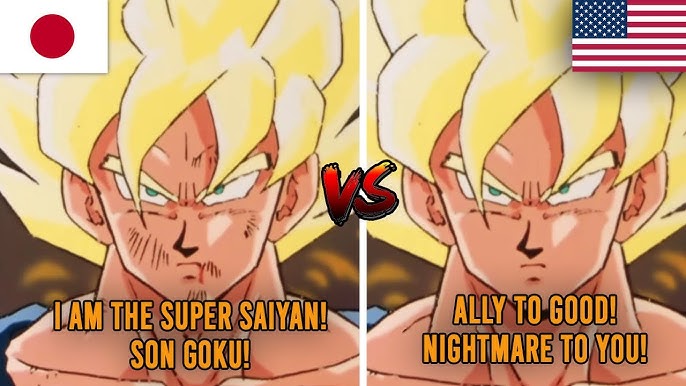
Image source: YouTube
What Is the Difference Between Subbed and Dubbed Anime?
To understand the debate, we must first define the mechanics of each format. Subbed anime refers to the original Japanese production where the audio remains in Japanese, and translated text is overlaid on the screen. According to GoLocalise , this format is the primary way anime is exported globally, as it requires less production time and cost than full voice replacement.
The Mechanics of Subbing
Subtitling involves more than just translating words. Professional subtitlers must balance literal meaning with readability. Because Japanese and English have vastly different sentence structures, translators often use "Translator Notes" (TN) to explain cultural context, puns, or honorifics that don't have a direct English equivalent. This allows the viewer to stay as close to the original creator's intent as possible.
The Mechanics of Dubbing
Dubbing, or "Automated Dialogue Recording" (ADR), is a significantly more complex technical process. It involves replacing the original voice track with a new one in a different language. As noted by TV Tropes , dubbing teams face the "Lip Lock" constraint—the need to match the length and rhythm of the new dialogue to the pre-existing mouth movements of the characters. This often requires scriptwriters to take creative liberties, adding or removing words to ensure the animation looks natural.
Release Cycles and Availability
One of the most significant practical differences is the speed of release. Subbed content is almost always available faster. Through "simulcasts," platforms can release subbed episodes within hours of their Japanese broadcast. Dubbing, however, requires weeks or even months of studio time, casting, and sound engineering. While "Simuldubs" have narrowed this gap for popular titles, the subbed version remains the standard for those who want to stay current with the latest releases.
Why Many Fans Swear by Subtitled Anime
For many purists, subtitled anime is the only way to watch. The primary argument centers on authenticity . Japanese voice actors, known as seiyuu , undergo rigorous training and are often treated as major celebrities. Their performances are tailored specifically to the nuances of the Japanese language, capturing emotional ranges that some fans feel are lost in translation.
Preserving the Original Performance
The emotional intensity of a Japanese voice actor is often cited as a reason to stick with subs. Because the animation was drawn to match the Japanese performance, the synergy between the visual and the audio is exceptionally strong. Nuances like the difference between various "I" pronouns (ore, boku, watashi) or the use of honorifics (-san, -kun, -sama) provide layers of character depth that English dubs often struggle to replicate without sounding clunky.
Cultural Authenticity and Puns
Anime is deeply rooted in Japanese culture. Many series feature wordplay, historical references, and social etiquette that are unique to Japan. Subtitles allow these elements to remain intact. When a character makes a pun based on Japanese kanji, a subtitle can explain the joke in a small note at the top of the screen. In a dub, that joke would likely be replaced by a Western equivalent, which might change the tone of the scene.
Access to Niche Titles
If you enjoy niche genres, older classics, or experimental shorts, you will likely have to watch them subbed. Dubbing is expensive. Studios typically only invest in dubbing shows they believe will have massive mainstream appeal. Consequently, a vast majority of anime titles—estimates suggest over 70% of all produced series—never receive an English dub. Choosing the subbed format opens the door to a much larger library of content.
The Benefits of Watching English Dubbed Anime
While subs offer authenticity, dubs offer accessibility and immersion . For many viewers, the act of reading text while trying to watch fast-paced animation is a distraction. Dubs allow the viewer to focus entirely on the artistry of the show.
Visual Immersion and Art Appreciation
Anime is a visual medium. High-budget productions from studios like Ufotable or MAPPA feature breathtaking background art and intricate character movements. When you watch a subbed version, your eyes are constantly darting to the bottom of the screen. By choosing a dub, you can keep your eyes fixed on the action, ensuring you don't miss the subtle visual storytelling that makes anime so special.
The Multitasking Advantage
In a fast-paced world, many fans enjoy "passive watching." Whether you are cooking dinner, gaming, or working on a hobby, dubbed anime allows you to follow the story without being tethered to the screen. This convenience is a major factor for casual viewers who may not have the time or energy for the deep focus required by subtitles.
Localized Humor and Relatability
While some fans dislike script changes, others find that localization makes the show more enjoyable. A skilled dubbing team can take an obscure Japanese cultural reference and swap it for a Western joke that elicits the same emotional response. This makes the characters feel more relatable to a global audience. Shows like Ghost Stories or Shin-chan are famous for their dubs, which transformed the original material into something entirely new and highly celebrated by Western fans.
How Your Viewing Choice Impacts Accessibility and Focus
Beyond personal preference, the sub vs dub debate is a matter of necessity for many viewers. Accessibility is a frequently overlooked dimension of this discussion, yet it is one of the most important.
Dyslexia and Reading Speed
For viewers with dyslexia or other reading-related learning disabilities, subtitles can be a significant barrier to entry. The speed at which subtitles disappear can make it nearly impossible to follow the plot while also processing the visuals. In these cases, dubs are not just a preference; they are a vital tool that makes the medium inclusive for everyone.
Visual Impairment and ADHD
Viewers with low vision may find small, white subtitles difficult to read against bright backgrounds. Conversely, for those with ADHD, subtitles can actually serve as a "focus tool." According to Japan Powered , the active engagement required to read subtitles can prevent the mind from wandering during slower scenes, creating a more immersive experience for certain neurodivergent viewers.
Hearing Impairment: Subtitles vs. Closed Captions
It is important to distinguish between standard subtitles and Closed Captions (CC). Subtitles translate dialogue, but CC includes descriptions of background noises, music cues, and speaker identification. For the D/deaf and hard-of-hearing community, subtitles are essential, but they often prefer the original Japanese audio track paired with comprehensive CC to get the full atmospheric experience of the show.
The Technical Reality of Translation vs. Localization
The "war" between sub and dub fans often boils down to a misunderstanding of how translation works. No translation is 100% literal; every version of a show involves some level of interpretation.
The Script Change Controversy
Dub scripts are often criticized for being "inaccurate." However, these changes are usually a technical necessity. If a Japanese sentence takes three seconds to say, but the English translation only takes one second, the dub actor would be left standing in silence while the character's mouth continues to move. Scriptwriters must "pad" the dialogue or rephrase it to fit the timing. This process, while sometimes altering the literal meaning, often captures the *spirit* of the scene more effectively for a Western audience.
The "Austin Filter" and Talent Pools
A common complaint among sub-only viewers is that English dubs sound "samey." This is sometimes referred to as the "Austin Filter" or "Dallas Filter," referencing the major dubbing hubs in Texas where companies like Funimation (now Crunchyroll) are based. Because the talent pool in these specific regions is smaller than the massive voice acting industry in Tokyo, you may hear the same actors in dozens of different shows. While these actors are highly skilled, "voice fatigue" can set in for viewers who binge-watch multiple series.
| Feature | Subtitled (Sub) | Dubbed (Dub) |
|---|---|---|
| Release Speed | Simulcast (Same day as Japan) | Delayed (Weeks to months) |
| Accuracy | High (Literal translation) | Moderate (Localized for timing) |
| Visual Focus | Split (Eyes move to text) | Full (Eyes stay on animation) |
| Multitasking | Impossible | Excellent |
| Cultural Context | Preserved via notes | Adapted for Western audience |
Which Popular Anime Series Should You Watch in Dub?
While the choice is personal, certain shows have earned a reputation for having exceptionally strong dubs that even sub-purists respect. Conversely, some shows are so dialogue-heavy that they are widely considered better in their original form.
The "Gold Standard" Dubs
- Must-Dub Cowboy Bebop: Often cited as one of the strongest English dubs in history. The voice of Spike Spiegel (Steve Blum) is so iconic that even the original Japanese creator has praised the performance.
- Must-Dub Fullmetal Alchemist: Brotherhood: The English cast brings a level of gravitas to the Elric brothers that perfectly matches the show's Western-inspired setting.
- Must-Dub Baccano!: Set in Prohibition-era America, the English dub features period-accurate accents that add a layer of immersion the Japanese version lacks.
The "Must-Sub" Experiences
- Must-Sub The Monogatari Series: This show is famous for its rapid-fire dialogue, visual puns, and text-heavy screens. A dub would struggle to capture even a fraction of its linguistic complexity.
- Must-Sub Tatami Galaxy: The protagonist speaks at a breakneck pace that is central to the show's frantic energy. The original Japanese performance is a feat of vocal endurance that is hard to replicate.
- Must-Sub Attack on Titan: While the dub is solid, many fans prefer the raw, guttural intensity of the Japanese cast during the show's most traumatic moments.
How Modern Streaming Ended the Sub vs Dub War
We are currently living in a "Dual Audio" era. The technical barriers that once forced fans to choose one or the other have largely vanished. Modern streaming players allow you to toggle audio and subtitle tracks with a single click, leading to a more flexible viewing experience.
Softsubs vs. Hardsubs
In the early days of fansubbing, text was "burned" into the video file (hardsubs). Today, most platforms use "softsubs," which are separate text files that can be turned on or off. This allows for multiple language options and cleaner visuals. It also enables the "Hybrid Approach"—watching the dub with subtitles on to catch every detail, though be warned that dub scripts and sub scripts often differ slightly.
The Hybrid Strategy for New Fans
If you are unsure which format to choose for a new series, try the "Three-Minute Test." Watch the first three minutes of an episode in sub, then switch to dub. Pay attention to the character's voice—does it match their appearance? Does the dialogue feel natural? Most fans find that one version will "click" more than the other within the first few scenes.
Frequently Asked Questions
For most beginners, starting with a dub is a popular choice because it allows you to get used to the tropes and visual style of anime without the added effort of reading. However, if you are interested in Japanese culture or want to see the most recent shows as they air, trying a sub early on is highly recommended.
This sentiment often stems from the 1990s and early 2000s, when dubbing quality was inconsistent and scripts were heavily censored for Western television (e.g., changing rice balls to "jelly donuts"). While modern dubbing is exceptionally high-quality, the "purist" culture remains, valuing the original artistic intent above all else.
It can certainly help with vocabulary and listening comprehension . You will likely pick up common phrases, honorifics, and the rhythm of the language. However, anime Japanese is often highly stylized and informal; using it as your sole source for learning grammar or formal speech is not recommended by language experts.
Yes, significantly. Subtitling requires a translator and a timer. Dubbing requires a recording studio, a director, a cast of professional actors, and sound engineers to mix the new audio. This is why many smaller or niche titles remain sub-only—the return on investment for a dub isn't always guaranteed for the studio.
Subtitles assume the viewer can hear the audio but doesn't understand the language; they only translate dialogue. Closed Captions (CC) are designed for the hearing impaired and include descriptions of non-speech elements like [dramatic music], [door slams], or [character sighs].
The Bottom Line
The "Sub vs Dub" debate has no single winner because both formats serve different needs. Here are the key takeaways to help you decide:
- Choose Sub for Authenticity: If you want to hear the original emotional performance and keep cultural nuances intact, subtitles are a top-tier choice.
- Choose Dub for Immersion: If you want to focus entirely on the animation and art without the distraction of reading, a dub is an excellent option.
- Consider Accessibility: Dubs are a necessity for viewers with dyslexia or visual impairments, while subs can help those with ADHD maintain focus.
- Speed Matters: Subbed anime is almost always available faster than dubbed versions due to the simpler production process.
- Genre Influences Choice: Action-heavy shows often benefit from dubs, while dialogue-heavy or comedy series often work better in sub.
- Use the Hybrid Approach: Don't be afraid to switch between tracks to find the voice cast that resonates most with you for each specific series.
Ultimately, as author Marty Rubin suggested regarding personal preferences, the best way to watch is the way that makes you enjoy the story most.